On July 15, 1979, India's first non‑Congress prime minister resigned, triggering the collapse of the Janata Party administration. The episode marked a watershed in Indian politics, shaping the dynamics of coalition governments for decades to come.
Key Takeaways
- Janata Party rose to power in 1977 but crumbled by 1979 due to internal contradictions.
- 43rd and 44th constitutional amendments restored democratic institutions after the Emergency.
- The party's downfall remains a crucial reference for understanding the fragility of coalition rule in India.
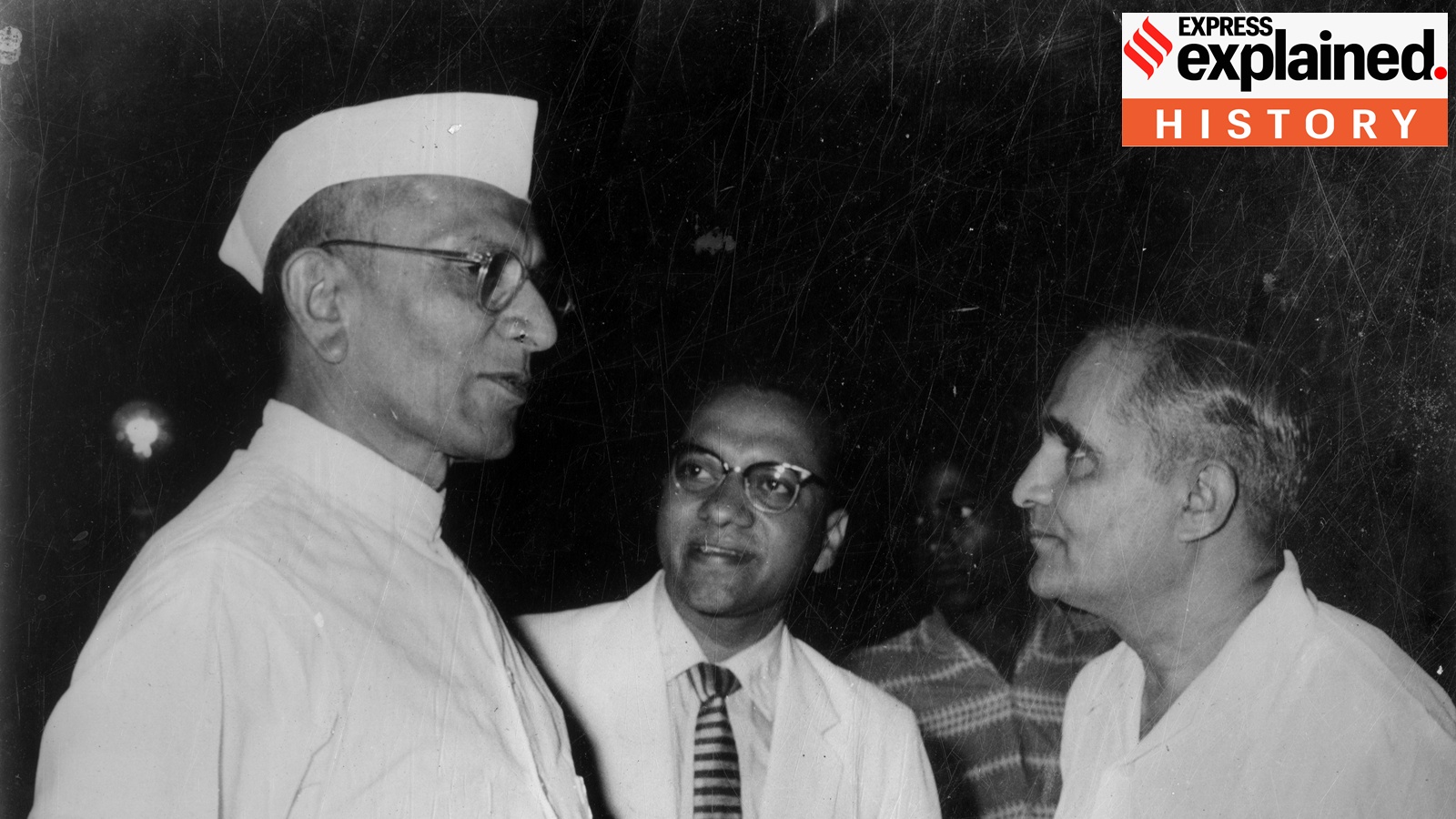
The Janata experiment was an unprecedented chapter in India’s democratic saga. In January 1977, leaders from four opposition groups—the Jana Sangh, Bharatiya Lok Dal, Socialist Party, and Congress (O) led by Morarji Desai—convened at Desai’s residence and agreed to contest the upcoming elections under a common symbol and name. Their united front toppled the Congress in the 1977 general election, delivering the first non‑Congress government at the centre in the nation’s thirty‑year history.
Policy Direction After Coming to Power
Although the Janata coalition initially championed rural and small‑scale development, scholars such as Georges Kristoffel Lieten argue that the party soon aligned with the interests of national and international monopoly capital and a landlord‑rich peasant alliance. Consequently, flagship promises like land reform, reduction of imperialist influence, and industrial decentralisation were sidelined, steering India toward a more bourgeois‑landlord state.
Constitutional Reforms as a Lasting Legacy
Deeply scarred by the Emergency, Morarji Desai pledged to reverse the 42nd Amendment. His government enacted the 43rd and 44th Amendments, which reinstated the five‑year term for Parliament and state legislatures, restored the judiciary’s independence, tightened the conditions for President’s Rule, and made the proclamation of a national Emergency far more difficult. These changes fortified India’s democratic framework and remain cornerstone reforms.
Reasons for the Collapse and Long‑Term Implications
Internal power struggles, especially the hostile correspondence between Prime Minister Desai and Home Minister Charan Singh, eroded the coalition’s coherence. Divergent economic visions and personal rivalries made consensus impossible. When Desai resigned on July 15, 1979, the Janata government disintegrated, yet the episode highlighted the need for clear power‑sharing agreements in future alliances.
While the Janata experiment was short‑lived, its dual legacy—proving that an alternative to Congress could govern, and exposing the inherent vulnerabilities of ideologically disparate coalitions—continues to inform contemporary Indian politics. Modern parties study this period to craft more resilient coalition strategies and to safeguard constitutional safeguards.