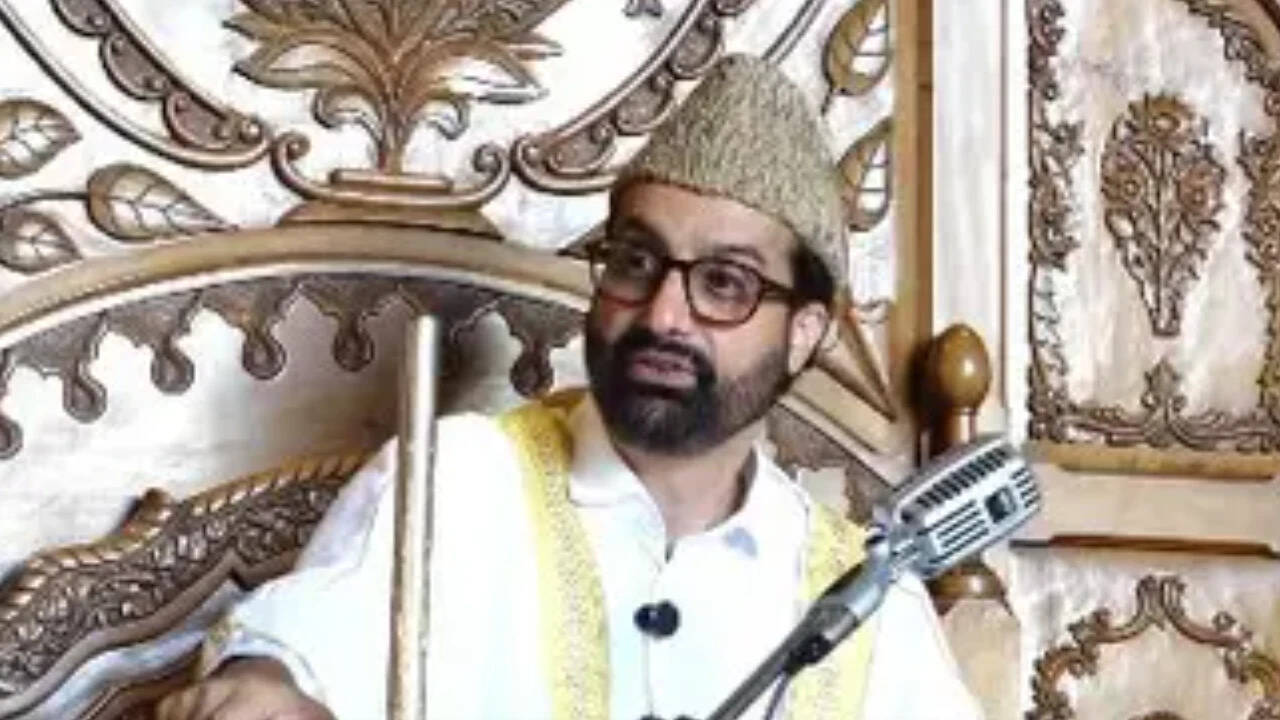
Hurriyat Conference chairman Mirwaiz Umar Farooq urged Pakistan to defuse the escalating unrest in Pakistan‑occupied Kashmir through dialogue. He mourned the civilian and police casualties and appealed for restraint from both authorities and protesters.
Key Takeaways
- Dispute over 12 reserved seats in PoK legislature fuels unrest
- Mirwaiz Umar Farooq demands dialogue and restraint
- July 27 elections could be impacted by ongoing tensions
Mirwaiz Umar Farooq, the chief of the Hurriyat Conference, issued an urgent appeal on July 16 for Pakistan to resolve the mounting unrest in Pakistan‑occupied Kashmir (PoK) through dialogue and consultation. He expressed deep sorrow over the loss of civilian and police lives in Rawalakot and Poonch, calling on all parties to exercise restraint.
Root of the Conflict
The flashpoint centers on twelve seats in the PoK Legislative Assembly reserved for Kashmiri refugees who migrated to Pakistan after 1947. These seats, constitutionally protected, allow Pakistan‑based political parties to wield influence in the 53‑member assembly, while protestors demand their abolition, arguing that the reservations undermine local representation.
Legal Context and Electoral Timeline
In June, a court upheld the constitutional protection of these reserved seats, stating that any removal would require a constitutional amendment. Despite the ruling, protests intensified, culminating in at least nine deaths during police‑protester clashes on Tuesday. The region is now bracing for scheduled elections on July 27, heightening the stakes for political actors.
Mirwaiz’s Call for Dialogue
Mirwaiz emphasized that issues of identity, representation, and political rights “require sensitivity, dialogue, and broad public confidence.” He urged Islamabad to “prioritise dialogue, restraint and engagement” rather than confrontation, appealing to both authorities and demonstrators to adopt a conciliatory approach.
Implications and Future Outlook
If dialogue fails, the violence could spill over, jeopardising the electoral process and further destabilising an already volatile region. Analysts suggest that international mediation, coupled with India‑Pakistan diplomatic channels, may be essential to de‑escalate tensions and safeguard the integrity of the upcoming elections.