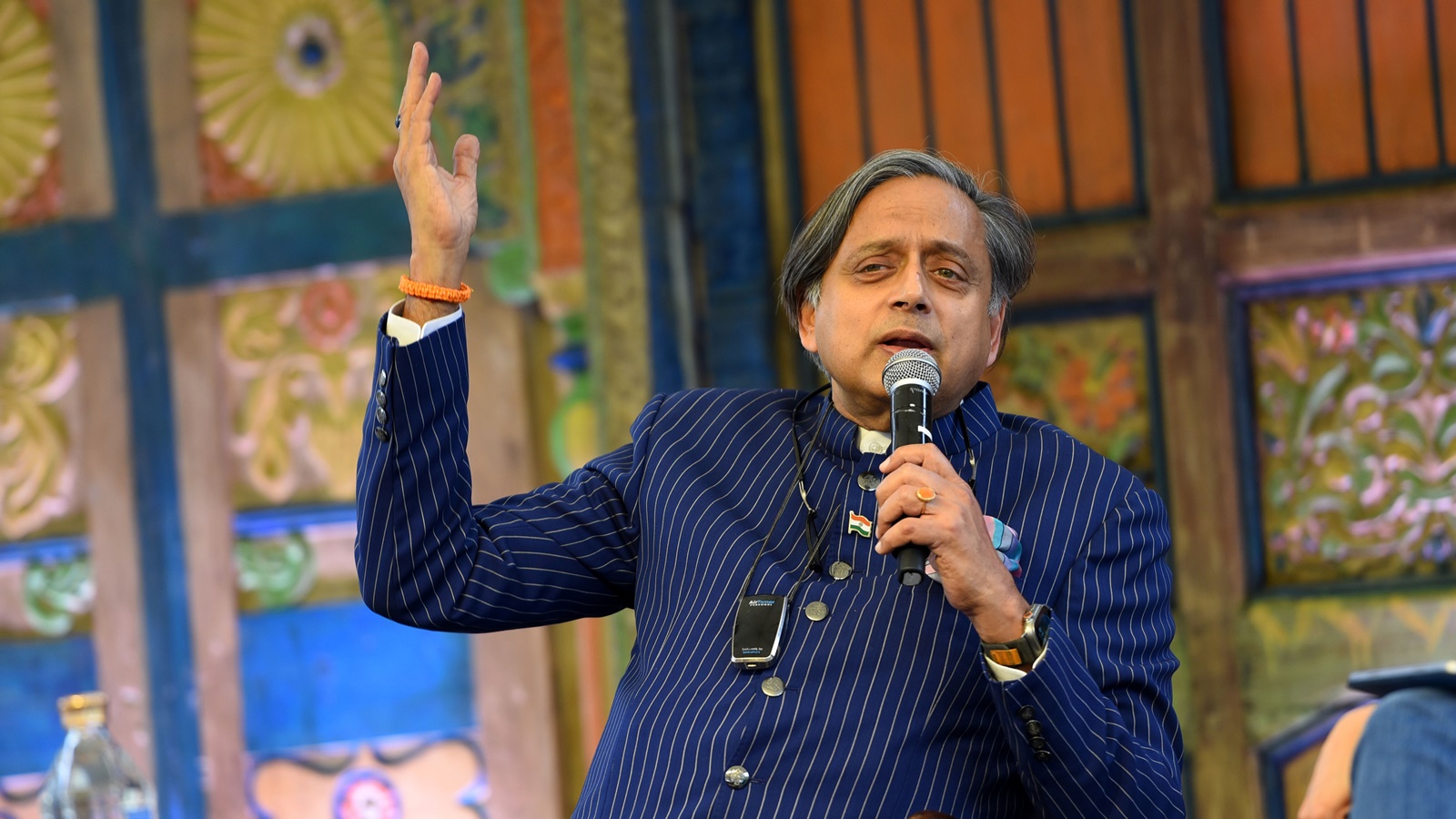
Congress MP Shashi Tharoor wrote an open letter to Sonam Wangchuk, urging him to break his 18‑day fast at Jantar Mantar and appealing to the government to engage with protesting students. The letter underscores the need for merit‑based reforms and dialogue rather than lethal fasting.
Key Takeaways
- Shashi Tharoor urges Sonam Wangchuk to end his hunger strike
- Calls on the government to engage with student protesters
- CJP demands Education Minister Dharmendra Pradhan’s resignation over exam irregularities
New Delhi – On July 16, Congress MP Shashi Tharoor addressed the Jantar Mantar protestors, led by the Cockroach Janta Party (CJP), with a heartfelt open letter. In the letter he appealed to activist Sonam Wangchuk to break his 18‑day fast and urged the government to open a dialogue with the students demanding accountability for alleged exam‑paper leaks and cancellations.
Background of the Protest
Wangchuk began his hunger strike in early July after a spate of controversies surrounding national‑level examinations, including paper leaks and the abrupt cancellation of several tests. The incident sparked outrage among Class 10‑12 students across India, who felt betrayed by a system that should have offered them a merit‑based ladder to upward mobility. The CJP, a newly formed political outfit, capitalised on this discontent and called for the resignation of Education Minister Dharmendra Pradhan.
Tharoor’s Appeal and Rationale
In his letter, Tharoor wrote, “I am deeply troubled by what is happening to your generation of young Indians.” He argued that a fair, merit‑based examination system is the only ladder for youths from lower‑ and middle‑income families to climb. When that ladder is broken—through leaked papers, cancelled exams, and eroded trust—the impact falls hardest on the poor, while the children of the elite have other avenues. He praised Wangchuk for “awakening the conscience of the nation” and urged him to end the fast, stating that the protest’s purpose has already been fulfilled.
Message to the Government
Tharoor also directed a clear message to the ruling establishment: “With Parliament set to sit from Monday, there will be an opportunity to raise the students’ issues in the highest forum of democracy. That’s where the problem should be addressed, not by fasting unto death.” He framed dialogue as a hallmark of statesmanship, not weakness, and called for immediate engagement with the youth.
Potential Implications
If the government responds positively, it could pave the way for comprehensive educational reforms and restore confidence among millions of students. Conversely, a refusal to dialogue may intensify public anger, potentially leading to larger protests and further erosion of trust in democratic institutions. Tharoor’s intervention highlights a crucial crossroads where political leadership must choose between suppression and constructive engagement.