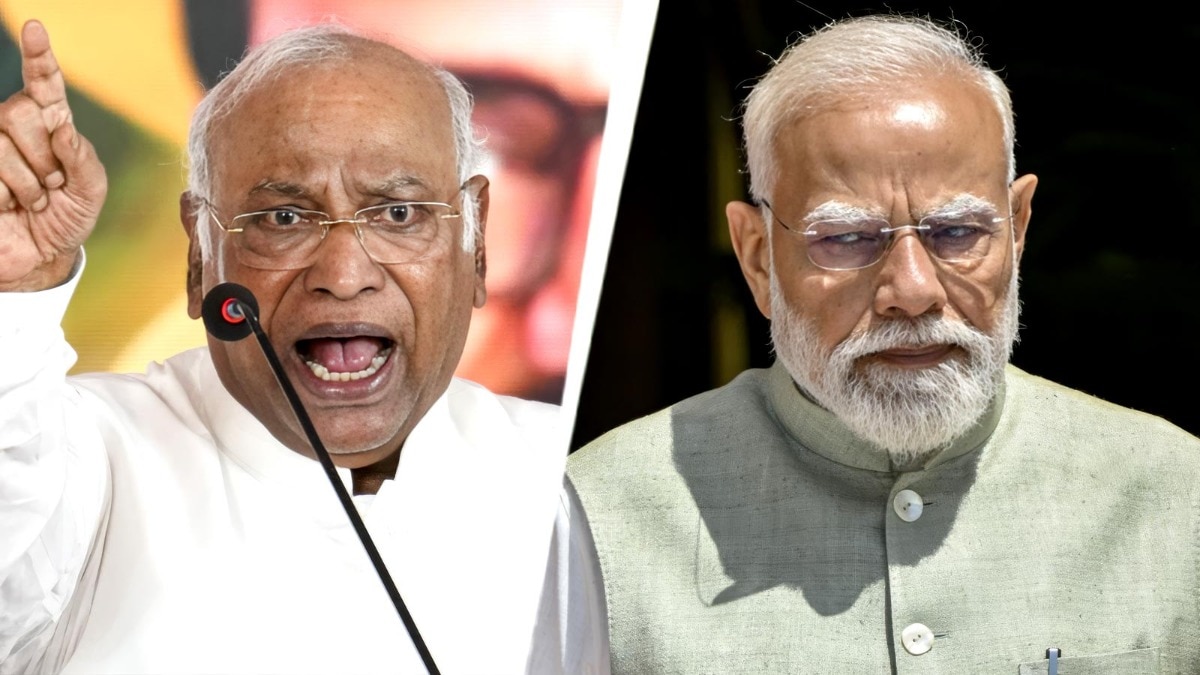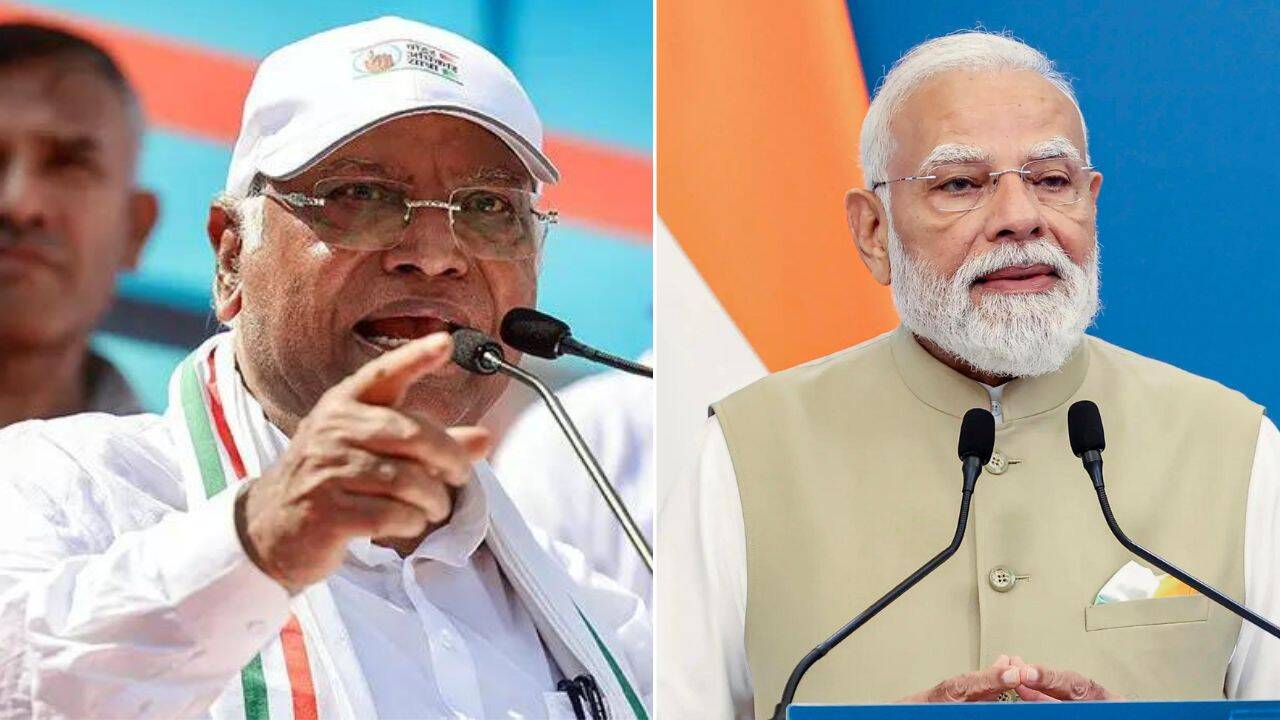
Congress President Mallikarjun Kharge has written to PM Modi seeking an all-party meeting to discuss the revised Delimitation Bill. The opposition warns of strong resistance if the bill is reintroduced without consensus.
Key Takeaways
- Mallikarjun Kharge has formally requested PM Modi to call an all-party meeting regarding the revised Delimitation proposals.
- The opposition demands sufficient time to study the 131st Amendment Bill, 2026, before it is tabled.
- Congress opposes linking women's reservation to the delimitation exercise.
- The previous attempt to pass the bill failed to secure a two-thirds majority in the Lok Sabha on April 17.
New Delhi: The political temperature in the national capital is rising as the upcoming Monsoon Session of Parliament approaches. Congress President Mallikarjun Kharge has intensified the opposition's stance by writing a formal letter to Prime Minister Narendra Modi, requesting an urgent all-party meeting to deliberate on the government's revised Delimitation Bill.
The Constitutional Hurdle
The core of the controversy lies in the Constitution (131st Amendment) Bill, 2026. This legislative attempt to redraw parliamentary constituencies faced a significant setback on April 17, when it failed to secure the critical two-thirds majority required in the Lok Sabha. Kharge’s letter emphasizes that the opposition must be given adequate time to scrutinize the government's revised approach to prevent a repeat of this legislative failure.
Opposition Strategy and Unity
The Congress party has entered a high-alert mode. Following a strategic meeting of the Congress Parliamentary Strategy Group, chaired by Sonia Gandhi and attended by Leader of Opposition Rahul Gandhi, the party has vowed to maintain a united front. General Secretary Jairam Ramesh stated that the party is prepared to fight any attempt by the Union Government to engineer splits within opposition ranks to secure the necessary numbers for the bill.
The Gender and Federalism Dilemma
A complex layer of this debate is the intersection of Women's Reservation and delimitation. While the Congress party maintains its support for increasing women's representation in Parliament, it vehemently opposes the government's strategy of linking the reservation quota to the delimitation process. The primary concern among opposition leaders is that a fresh delimitation could drastically alter the balance of power between various states, potentially disenfranchising regions that do not meet specific population thresholds. As the government aims to expand the Lok Sabha's strength by nearly 50%, the stakes for India's federal structure have never been higher.