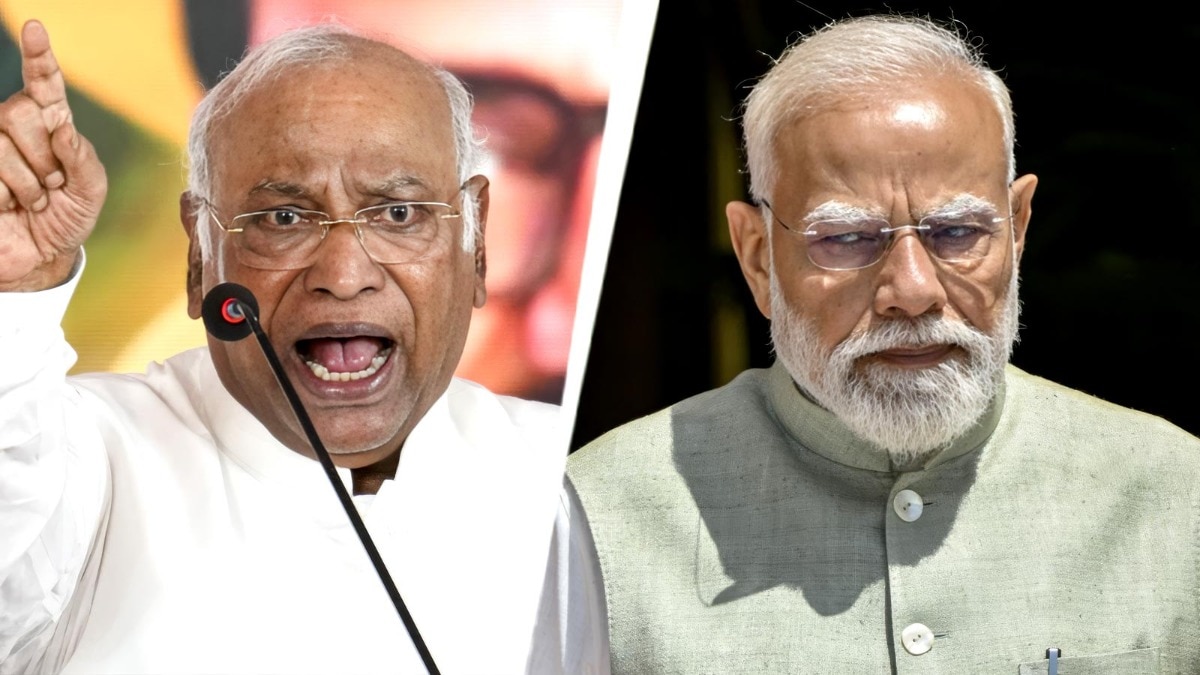
Congress President Mallikarjun Kharge has written to PM Modi seeking an all-party consultation on the revised delimitation bill to ensure democratic consensus.
Key Takeaways
- Mallikarjun Kharge has demanded an all-party meeting regarding the revised Delimitation Bill.
- The government aims to implement Women's Reservation before the 2029 Lok Sabha elections.
- Proposals include increasing Lok Sabha seats from 543 to a maximum of 850.
- Concerns persist regarding the political representation of Southern states in a population-based exercise.
In a significant move to ensure parliamentary consensus, Congress President Mallikarjun Kharge has formally requested Prime Minister Narendra Modi to convene an all-party meeting. The request pertains to the upcoming delimitation bill, which the Union Government is reportedly planning to reintroduce during the forthcoming Monsoon Session of Parliament.
The Race to Implement Women's Reservation
The crux of the legislative push lies in the Nari Shakti Vandan Adhiniyam (Women's Reservation Act). Under current legal frameworks, the implementation of women's quotas is tied to the completion of the delimitation process following the 2027 Census, effectively pushing implementation to 2034. To bypass this delay and operationalize the quota for the 2029 Lok Sabha elections, the government is considering a massive expansion of the House, potentially increasing seats from 543 to 850 based on the last published census.
Federalism and the Southern States' Dilemma
The proposed delimitation exercise has sparked intense debate regarding India's federal structure. Southern states have expressed profound concerns that a strictly population-based redistribution of seats could dilute their political influence in the Lok Sabha. To mitigate this, reports suggest the Centre is exploring mechanisms to increase seat counts for all states by approximately 50%, attempting to balance demographic shifts with regional political stability.
Legislative Hurdles and Political Arithmetic
The political road to this amendment has been rocky. The previous 131st Constitution Amendment Bill, 2026, failed to secure the mandatory two-thirds majority in the Lok Sabha on April 17, 2026. With the NDA currently holding around 300 MPs, a significant gap remains to reach the 360-vote threshold required for such constitutional changes. Kharge emphasized that political parties must be given adequate time to study these complex proposals to avoid further legislative deadlock.