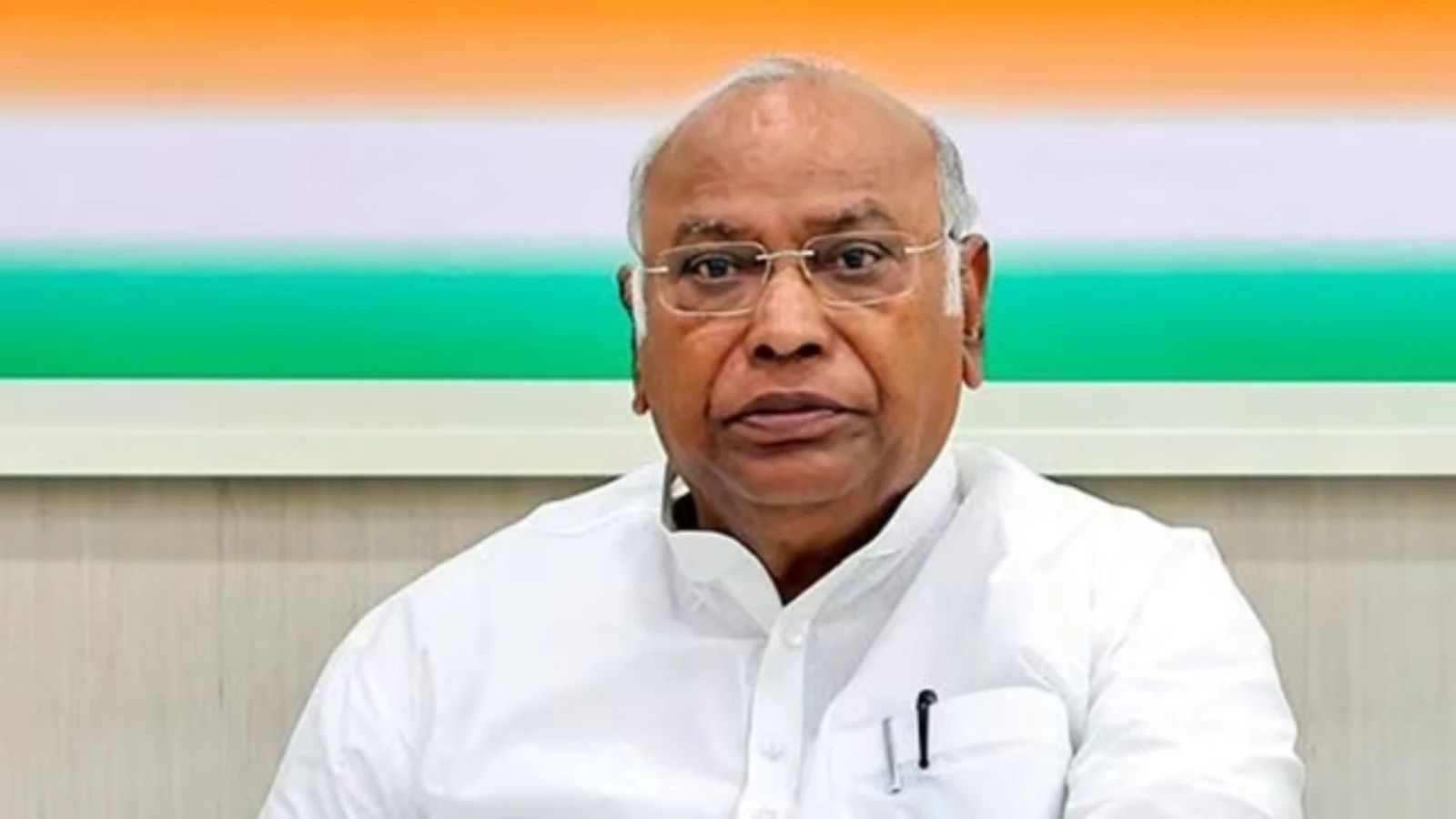
Congress president Mallikarjun Kharge has sent a formal letter to Prime Minister Narendra Modi, urging an all‑party meeting to discuss the government's delimitation proposals and requesting adequate time for the opposition to study them before parliamentary introduction.
Key Takeaways
- Kharge seeks an all‑party meeting on delimitation
- Opposition demands sufficient time to review proposals
- Political tensions and southern state concerns drive the debate
Congress leader Mallikarjun Kharge addressed Prime Minister Narendra Modi in a public letter, asking the government to convene an all‑party meeting to discuss the revised delimitation proposals before they are tabled in Parliament. The request follows a series of letters sent since March 2026 to Parliamentary Affairs Minister Kiren Rijiju, which were reportedly not entertained.
Background: Delimitation and the 131st Constitutional Amendment
Delimitation aims to redraw the boundaries of Lok Sabha and state assembly constituencies based on population data, ensuring equitable representation. The Constitution (131st Amendment) Bill, 2026, which bundled delimitation with a women’s quota provision, failed to secure the required two‑thirds majority in the Lok Sabha on 17 April 2026. In response, the government has re‑worked the proposals, seeking to allay fears from southern states that a purely population‑based exercise could diminish their parliamentary strength.
Southern States’ Concerns and Current Political Climate
Southern states such as Tamil Nadu, Karnataka and Andhra Pradesh have long warned that a demographic‑driven delimitation could erode their political clout. To mitigate this, the government is reportedly considering a 50 % increase in the total number of Lok Sabha seats, thereby cushioning any potential loss of influence for these regions. While the ruling coalition frames this as an inclusive reform, the opposition views it as a maneuver to reshape electoral dynamics in its favour.
Congress’s Strategic Move
Following the letter, senior Congress figures gathered in Delhi on 16 July to chart their approach for the Monsoon Session beginning 20 July. Leaders including Rahul Gandhi and other senior members deliberated on key agenda items, placing the demand for an all‑party forum and adequate review time at the forefront of their strategy.
If the government accedes to the demand, the upcoming parliamentary session could become a pivotal arena for broader constitutional reforms, beyond just delimitation. For the opposition, this presents a strategic window to influence the final shape of the legislation and to reinforce democratic accountability.