Telangana's Irrigation and Civil Supplies Minister N. Uttam Kumar Reddy affirmed that the state government has placed water projects at the highest priority, promising to resolve administrative, financial and legal obstacles swiftly.
Key Takeaways
- Telangana government prioritises irrigation projects above all else
- Final CWC clearance secured for 67 TMC of Godavari water for the Sitarama Project
- Accelerated land acquisition and compensation processes ordered
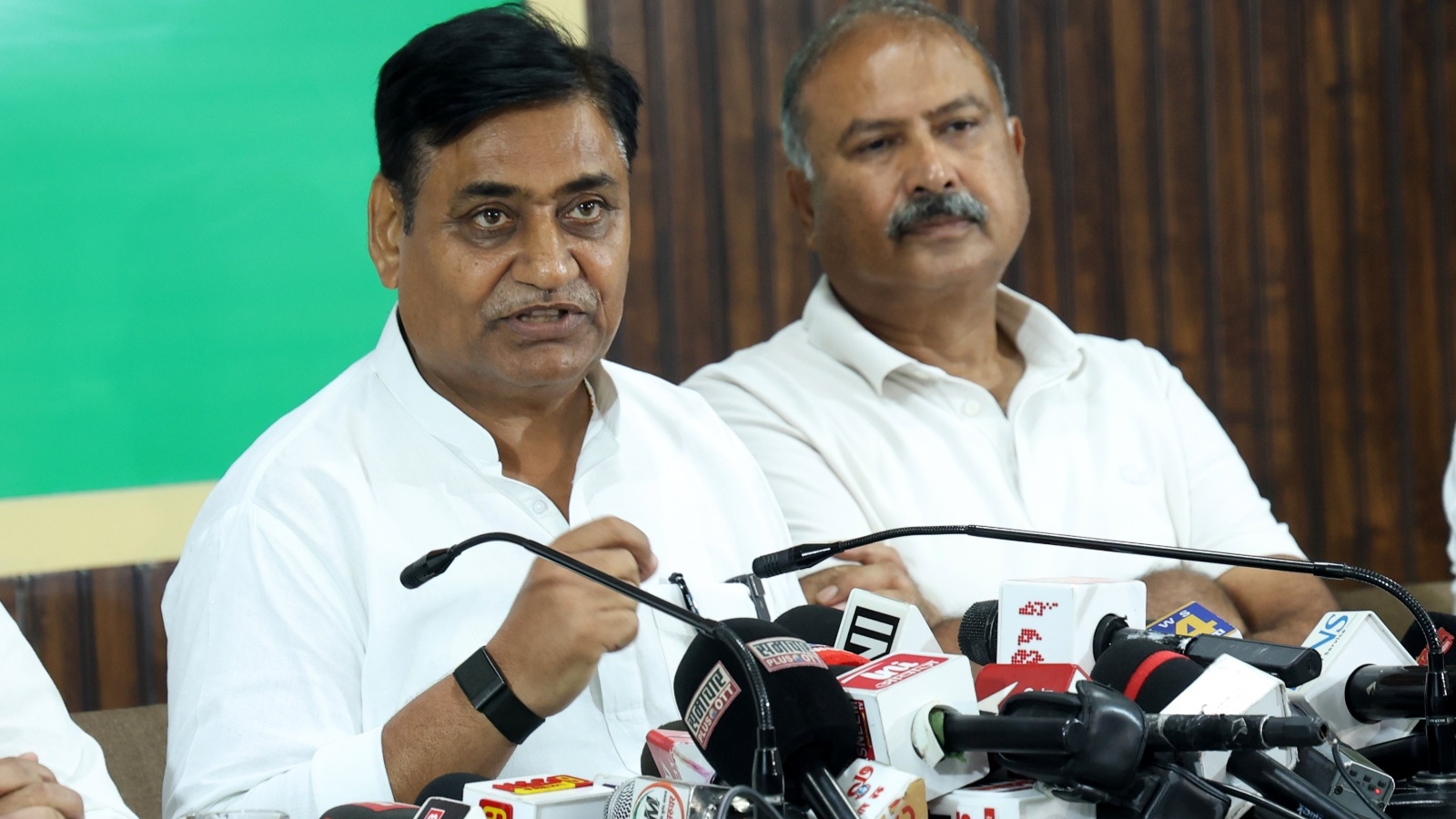
Telangana's Irrigation and Civil Supplies Minister N. Uttam Kumar Reddy told a review meeting at the Sathupalli tunnel point on Saturday that the state government has given "the highest priority" to irrigation schemes and will resolve every administrative, financial and legal hurdle to ensure timely completion.
Milestone for the Sitarama Project
Reddy highlighted that shortly after taking charge, the ministry secured the final Central Water Commission (CWC) clearance for the utilisation of 67 TMC of Godavari water for the Sitarama Project. This approval, he said, will dramatically strengthen implementation and guarantee sufficient water for the region's farms.
Land acquisition now a top priority
The minister directed district collectors and irrigation officials to fast‑track land acquisition by promptly processing compensation payments. He underscored that any delay in land matters would jeopardise the project timeline, and therefore it must be treated as a priority task.
Historical context and earlier schemes
Reddy recalled that the previous Congress administration launched the Rajiv Sagar and Indira Sagar projects, which, if completed on schedule, could have delivered comparable irrigation benefits at a lower cost. He suggested that missed deadlines inflated expenditures and delayed water delivery to farmers.
Future outlook and political implications
He assured that all three major irrigation schemes – the Sitarama, Sitarama Sagar and related projects – will be finished within the current government's tenure, with adequate Godavari water allocated for irrigation. This commitment not only promises a boost to agricultural productivity but also serves as a political signal ahead of upcoming elections, positioning the state administration as proactive on water security.