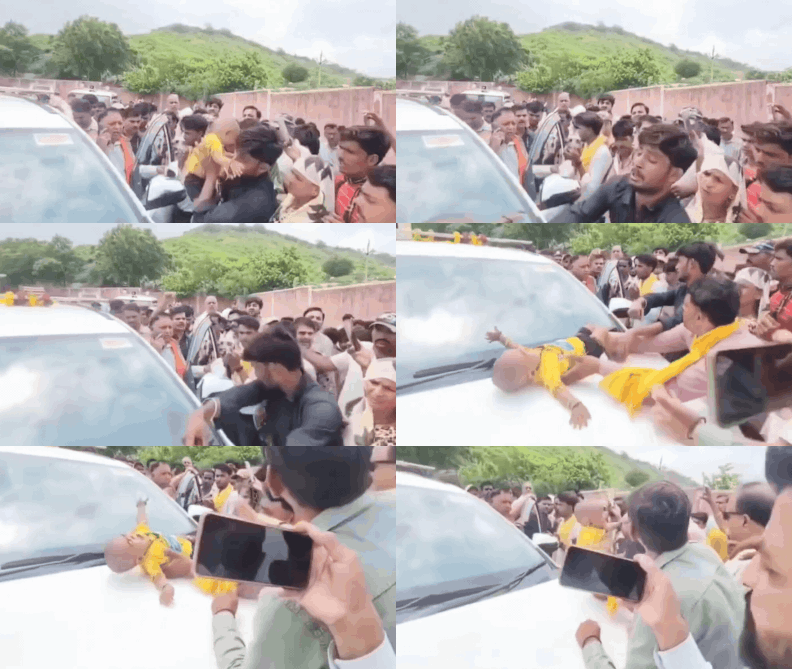
In Shivpuri, Madhya Pradesh, a BJP MLA rejected villagers’ water and electricity complaints, calling them “not his voters,” prompting a resident to place his young child on the legislator’s car bonnet. The video quickly went viral, highlighting growing public frustration.
Key Takeaways
- BJP MLA refused to hear water‑crisis complaints, labeling villagers as non‑voters.
- A villager responded by placing his 3‑4‑year‑old child on the MLA’s car bonnet.
- The incident went viral on social media, underscoring service‑delivery gaps and political disconnect.
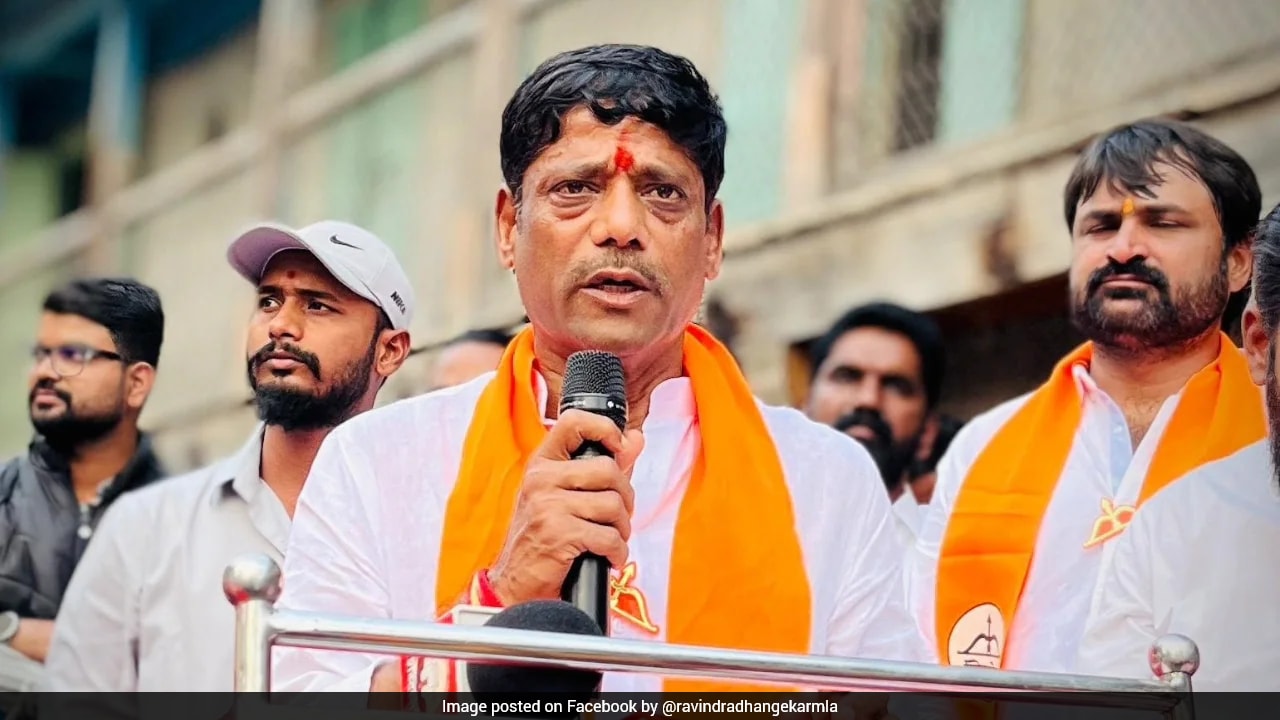
Bhopal, Madhya Pradesh – BJP legislator Ramesh Khatik brushed aside grievances from residents of Nanakpur and Barkhadi villages during a public Jan Chaupal meeting, stating they belonged to the neighboring Pohri constituency and were “not his voters.” The villagers, who had come to raise concerns over drinking‑water scarcity and erratic electricity supply, were left furious.
In a dramatic act of protest, one agitated resident placed his three‑to‑four‑year‑old child on the bonnet of the MLA’s parked car, declaring, “If you won’t listen to us, then take our children as well.” Bystanders quickly removed the child, but the moment was captured on video and spread across social platforms within hours.
Historical Background
Jan Chaupal, a traditional public grievance forum in India, especially in Madhya Pradesh, allows citizens to directly approach elected representatives. Over the past decade, the Shivpuri region has grappled with severe water shortages; many villages rely on distant, contaminated sources, while erratic power supply hampers agriculture and daily life. Politically, the state oscillates between BJP and Congress control, often turning local service failures into partisan battlefields.
Why This Matters (इसके मायने क्या हैं)
BozokMedia analysis shows that this incident not only spotlights a localized water crisis but also challenges the very notion of representative accountability. When a lawmaker dismisses concerns from neighboring constituents, it erodes trust in democratic institutions and fuels social unrest, especially in areas already strained by basic‑service deficits.
Consequently, both state and central governments must reassess water‑resource management, power‑grid reliability, and mechanisms for elected officials to address cross‑constituency issues. Failure to do so could amplify political volatility and influence upcoming electoral outcomes.
"Political leaders must view basic service delivery as a right, not a political bargaining chip."
Comparison Table
| Aspect | BJP MLA (Ramesh Khatik) | Congress MLA (Kailash Kushwah) |
|---|---|---|
| Response to grievances | Dismissed, called them non‑voters | Engages with local issues, raises them in assembly |
| Water‑crisis action plan | None publicly announced | Advocates for state‑level projects |
| Approach in Jan Chaupal | Reluctant, non‑participatory | Active, solution‑oriented |
Frequently Asked Questions (अक्सर पूछे जाने वाले प्रश्न)
Q1: Could the MLA face any legal repercussions for this incident?
A: No formal complaint has been lodged yet, but authorities may investigate if the child’s safety was compromised.
Q2: When can the villages expect relief from the water shortage?
A: The state government has pledged additional funding for water projects in the next fiscal year, though implementation may take several months.