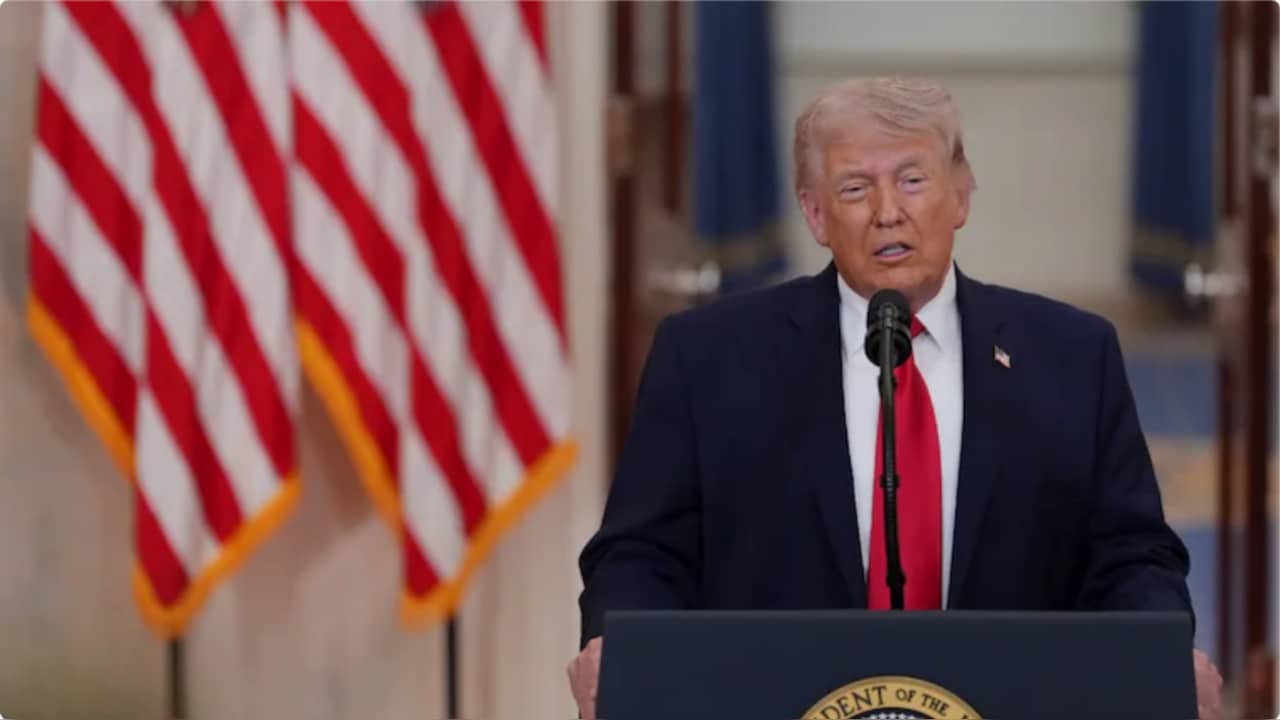
Donald Trump intensifies claims of 2020 election rigging involving China, leveraging CIA documents to push for the restrictive SAVE America Act.
Key Takeaways
- Donald Trump has repeatedly claimed the 2020 election was 'rigged.'
- Claims are allegedly supported by CIA documents regarding foreign interference.
- Trump is pushing for the 'SAVE America Act' to implement stricter Voter ID laws.
Former U.S. President Donald Trump has reignited a fierce debate regarding the integrity of the 2020 presidential election. By alleging that the democratic process was compromised, Trump has centered much of his rhetoric on the purported influence of China. This escalation marks a significant shift in his political narrative as he moves toward legislative action.
The Role of Intelligence and CIA Documentation
A cornerstone of Trump's argument lies in his reliance on CIA documents. He asserts that these intelligence reports provide evidence of sophisticated efforts to manipulate election outcomes through foreign actors. During the first half of 2026, Trump has reiterated these claims over 100 times, transforming a legal dispute into a broader geopolitical narrative centered on national security and foreign espionage.
Legislative Push: The SAVE America Act
Beyond mere rhetoric, Trump is utilizing these allegations to drive a specific legislative agenda. He is exerting significant pressure on the U.S. Congress to pass the 'SAVE America Act.' This controversial bill aims to implement highly restrictive Voter ID laws across the country. Trump argues that such stringent measures are a necessary defense mechanism against the type of systemic interference he claims occurred in 2020.
Implications for Global Diplomacy and Domestic Policy
The implications of these claims are twofold. Domestically, they threaten to polarize the electorate further and challenge the perceived legitimacy of American electoral institutions. Internationally, by directly accusing China of election tampering, Trump is complicating the already strained US-China diplomatic relationship. As the political landscape shifts, the intersection of intelligence findings and legislative reform will remain a focal point of American governance.