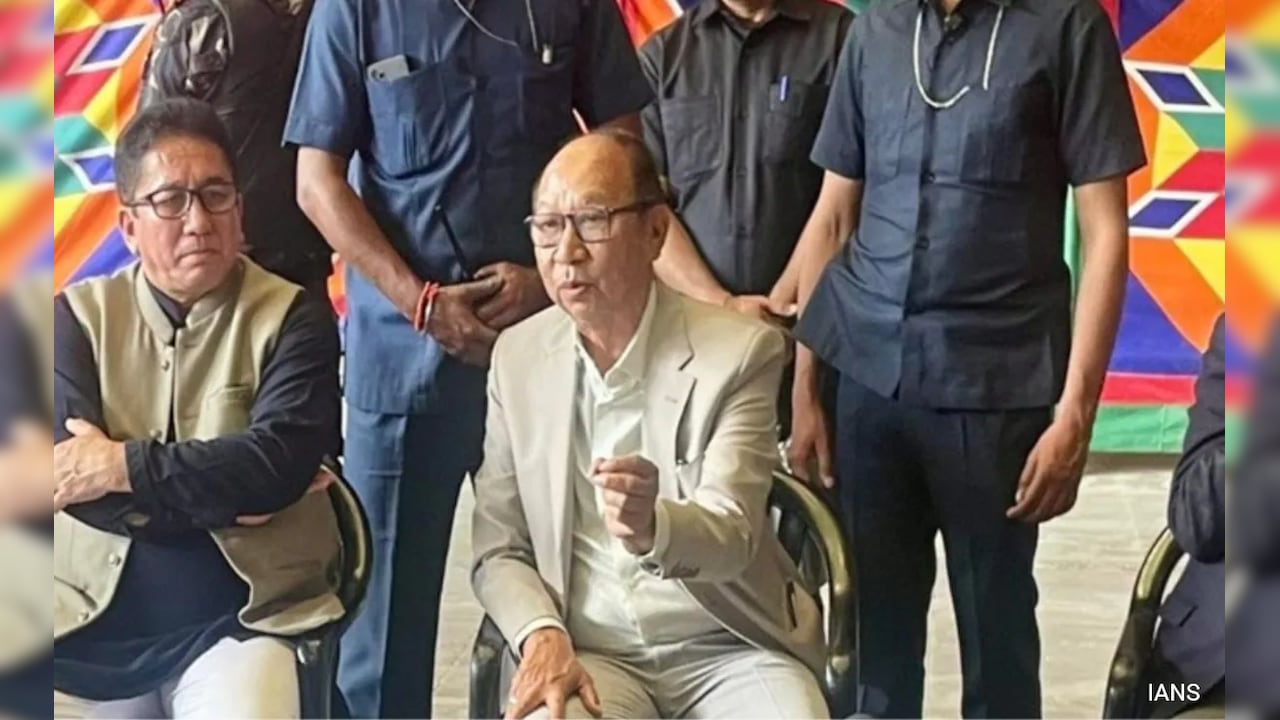
The BJP has initiated a significant political outreach campaign in the Muslim-dominated assembly constituencies of Manipur. Highlighting the legacy of Mohammed Alimuddin, the state's first Chief Minister, leaders emphasized unity and peace in the conflict-torn state.
Key Takeaways
- BJP launches a major minority outreach campaign in Manipur's Muslim-dominated pockets.
- Senior leader Yumnam Khemchand Singh emphasizes unity and healing after years of ethnic conflict.
- The campaign invokes the legacy of Mohammed Alimuddin, Manipur's first Chief Minister, to build trust.
In a significant political move aimed at fostering communal harmony and expanding its electoral footprint, the Bharatiya Janata Party (BJP) has officially launched a targeted outreach campaign in the Muslim-dominated assembly constituencies of Manipur. The initiative comes at a critical juncture as the northeastern state slowly recovers from prolonged ethnic violence that has severely fractured its social fabric over the last three years.
Speaking at a high-profile gathering, senior Manipur leader and minister Yumnam Khemchand Singh stated that his primary objective is to unite the diverse communities of Manipur and heal the deep wounds left by recent ethnic clashes. During the event, leaders paid rich tributes to Mohammed Alimuddin, the first Chief Minister of Manipur, hailing his vision of an inclusive and progressive state. By invoking Alimuddin's legacy, the BJP aims to build a bridge of trust with the state's minority Pangal (Manipuri Muslim) community.
| Aspect | Previous Political Approach | New BJP Outreach Strategy |
|---|---|---|
| Primary Focus | Polarized community-based campaigning | Inclusive development and healing ethnic divides |
| Minority Engagement | Limited direct outreach in Muslim pockets | Active engagement using historical icons like Alimuddin |
| Key Message | Electoral arithmetic and regional security | Social harmony, unity, and shared historical legacy |
Why This Matters
This strategic move by the BJP is highly significant as Manipur seeks a path toward permanent peace. By actively engaging the Pangal community, which has largely remained neutral during the Kuki-Meitei ethnic conflict, the ruling party is attempting to position itself as a stabilizing force capable of representing all ethnic and religious denominations in the state.
BozokMedia analysis shows that this outreach is not merely an electoral maneuver but a calculated effort to reconstruct the social contract in Manipur. Fostering alliances with minority groups could help the BJP consolidate its political position while diluting the intense polarization that has plagued the state's political landscape since 2023.
"Invoking the legacy of Mohammed Alimuddin is a masterstroke in identity politics, offering a shared historical anchor to bridge the trust deficit in Manipur's complex demographic landscape."
Historical Background
Mohammed Alimuddin served as the first Chief Minister of Manipur in 1972 after it attained full statehood. Belonging to the Pangal (Manipuri Muslim) community, his administration is remembered for establishing key educational and administrative institutions, including the Regional Institute of Medical Sciences (RIMS). His legacy remains a symbol of secular governance and unity in a state characterized by rich ethnic diversity.
Frequently Asked Questions
Q1: Who was Mohammed Alimuddin?
A1: Mohammed Alimuddin was a prominent leader who served as the first Chief Minister of Manipur in 1972, known for his inclusive policies and development initiatives.
Q2: What is the significance of the BJP's outreach in Manipur's Muslim-dominated areas?
A2: The outreach aims to heal ethnic divisions, build trust with the minority Pangal community, and foster political stability after years of ethnic conflict.
