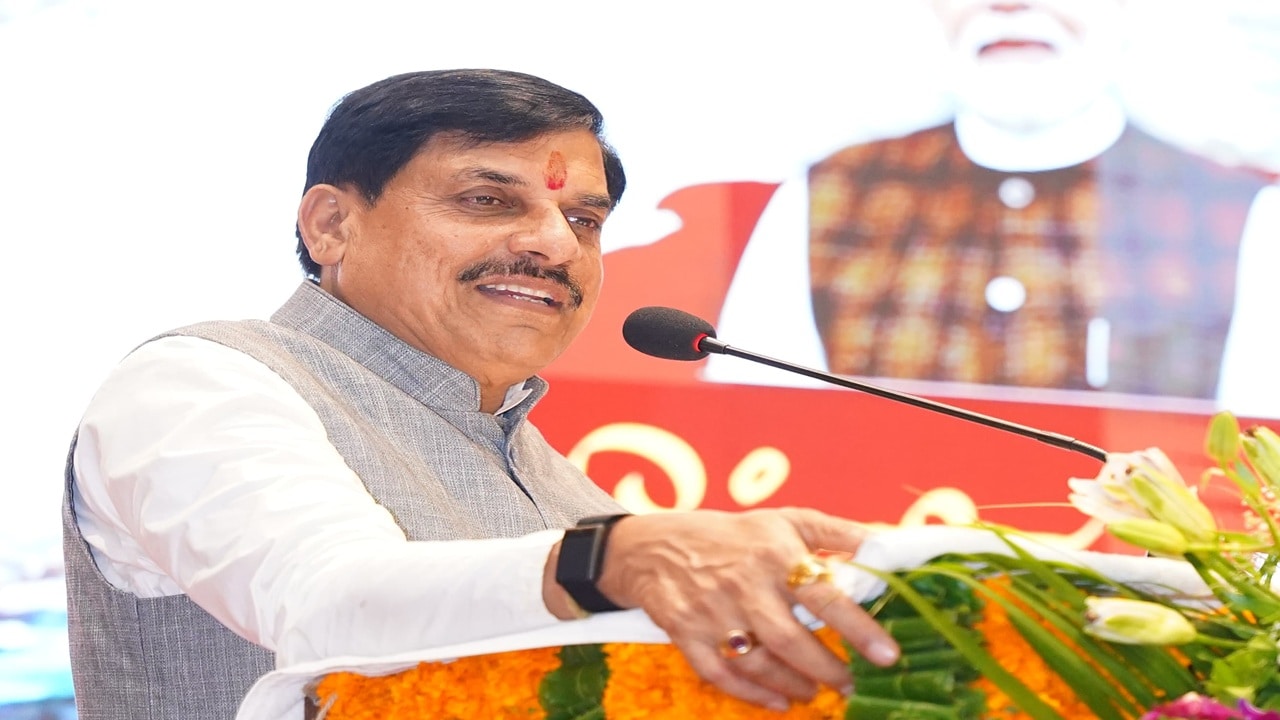
Madhya Pradesh Chief Minister Mohan Yadav announced that the state will propose a Uniform Civil Code (UCC) bill. The upcoming law will strictly mandate monogamy, legally recognizing only one marriage.
Key Takeaways
- MP CM Mohan Yadav announced a proposed Uniform Civil Code (UCC) bill.
- The upcoming bill will legally recognize only one marriage, enforcing strict monogamy.
- MP aims to follow Uttarakhand's footsteps in implementing a standardized civil code.
The Madhya Pradesh government, led by Chief Minister Mohan Yadav, is gearing up to introduce a historic Uniform Civil Code (UCC) bill in the state. In a bold statement, CM Yadav asserted that the upcoming legislation will ensure that only those practicing monogamy—meaning having one marriage—will be legally recognized in the state. This move aligns Madhya Pradesh with other BJP-ruled states like Uttarakhand that are pushing for a standardized legal framework governing personal matters.
Speaking on the proposed bill, Mohan Yadav emphasized that the law aims to establish social equality and streamline the legal system. The draft legislation is expected to address critical issues such as marriage, divorce, inheritance, and adoption, removing disparities arising from various religious personal laws. The focus on "one marriage" is intended to protect women's rights and promote gender justice across all communities.
Historical Background
The debate over a Uniform Civil Code in India dates back to the framing of the Constitution. Article 44 of the Directive Principles of State Policy directs the state to endeavor to secure a UCC for all citizens throughout the territory of India. While Goa has maintained its Portuguese-era Civil Code, Uttarakhand became the first state in independent India to pass a UCC bill in 2024. Madhya Pradesh is now poised to become the next major state to draft and implement similar legislation, reflecting a growing national momentum toward civil law unification.
Why This Matters
The introduction of the UCC in Madhya Pradesh represents a monumental shift in India's socio-political landscape. By legally recognizing only one marriage, the state government seeks to dismantle polygamous practices that have historically been protected under specific personal laws. BozokMedia analysis shows that this move will significantly empower women by securing their legal rights within marriages, particularly regarding maintenance, alimony, and inheritance, irrespective of their faith.
Furthermore, this political move strengthens the ruling party's ideological stance ahead of future electoral cycles. While proponents argue that a uniform code fosters national integration and gender equality, critics express concerns over the potential erosion of religious freedom and cultural diversity. The balance between maintaining constitutional uniformity and respecting pluralistic traditions remains a key challenge for the administration.
"A standardized civil code ensures gender equality and legal uniformity, but its implementation must balance diverse cultural sentiments." — Legal Expert
| Feature | Current Status (Personal Laws) | Proposed MP UCC Bill |
|---|---|---|
| Number of Marriages | Varies by religion (polygamy permitted under certain personal laws) | Strict monogamy (only one marriage legally recognized) |
| Legal Uniformity | Fragmented based on religious personal laws | Single, uniform civil law for all citizens |
Frequently Asked Questions
Q1: What is the primary focus of the proposed MP UCC Bill?
A1: The primary focus is to establish a uniform legal system for marriage, divorce, and inheritance, with a strict mandate legally recognizing only one marriage (monogamy) for all citizens.
Q2: Has any other Indian state implemented the UCC?
A2: Yes, Uttarakhand became the first state in independent India to pass a UCC bill in 2024, while Goa has historically followed a Portuguese-era Civil Code.