Journalist Rohan Manoj argues that the term 'Other Backward Classes' is conceptually flawed. He suggests shifting the discourse from 'backwardness' to 'caste oppression' to ensure true social justice.
- The term 'Other Backward Classes' (OBC) lacks conceptual coherence, grouping the affluent with the marginalized.
- The confusion between economic 'class' and caste-based 'oppression' dilutes the impact of reservations.
- Unlike the Dalit movement, the OBC category lacks a unified identity and intellectual leadership.
- The author proposes rebranding OBCs as 'Other Oppressed Castes' to focus on systemic discrimination.
In the complex tapestry of Indian sociology, the term 'Other Backward Classes' (OBC) has become a cornerstone of affirmative action. However, as argued by writer Rohan Manoj, this terminology may be doing more harm than good by masking the true nature of caste-based discrimination under the guise of 'backwardness.'
Historical Paradoxes of Caste
Drawing from Thakazhi Sivasankara Pillai’s seminal novel Kayar, the analysis highlights a profound contradiction. A wealthy and highly educated Ezhava patriarch in historical Kerala would still adhere to strict caste protocols to maintain social distance from others. This illustrates that wealth does not equate to social equality. If such an individual were classified today, they would fit the 'OBC' label, yet they are far from being 'socially and educationally backward.'
Why This Matters
BozokMedia analysis shows that the current political and legal landscape is shifting in ways that threaten the interests of OBC communities. From the potential sabotage of caste data in the Census to the government's reconsideration of UGC Equity Regulations and the legal battles over the 'creamy layer' criteria, the very definition of who deserves reservation is under scrutiny.
'Backwardness' is a linguistic error; moving toward the language of 'caste oppression' provides a clearer roadmap for justice.
The Solidarity Gap: Dalits vs. OBCs
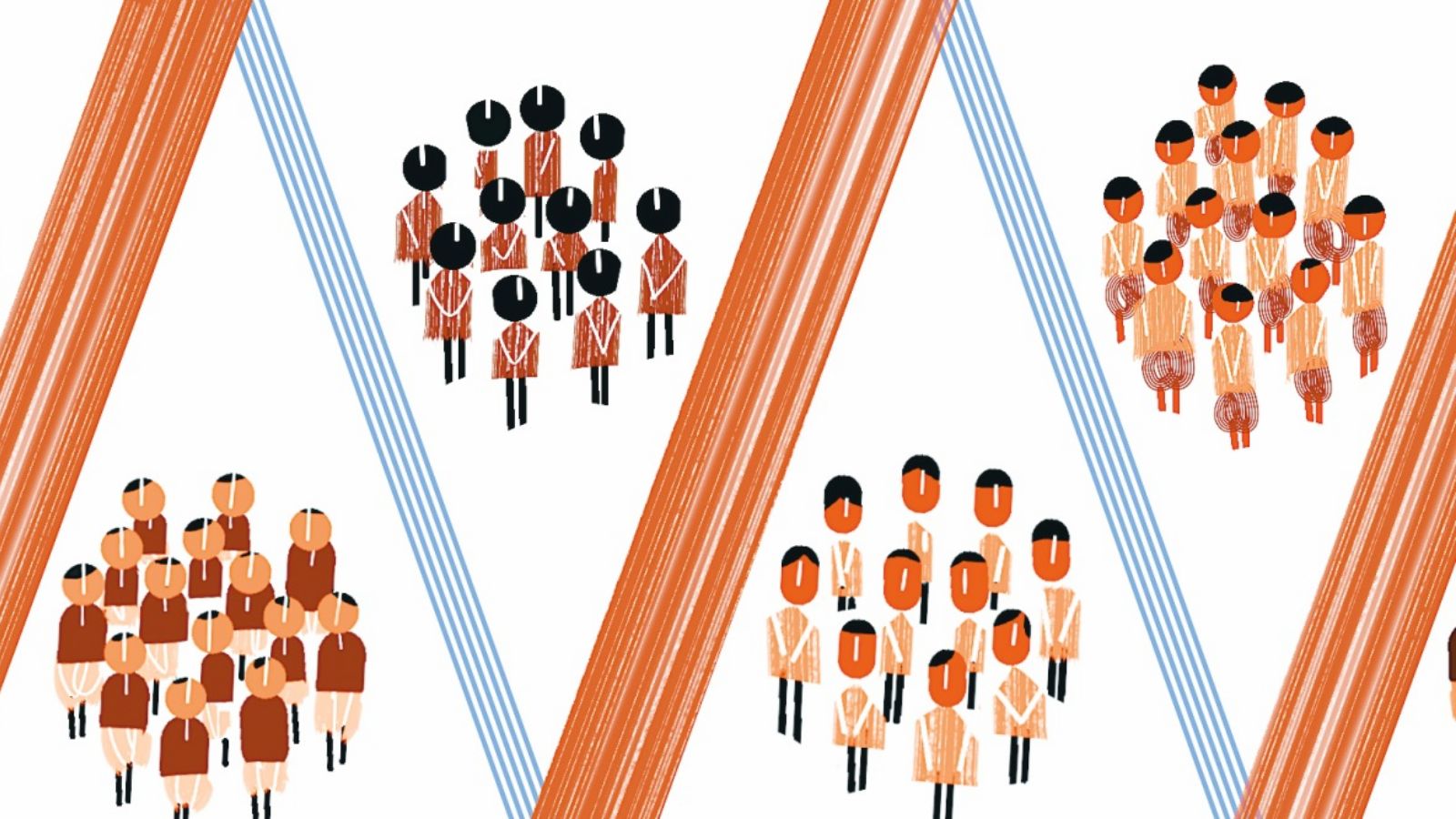
A critical distinction is made between the Dalit movement and the OBC demographic. The Dalit movement is characterized by a shared Ambedkarite identity, robust intellectual debate, and organized mobilization. In contrast, the OBC category remains a fragmented, bureaucratic designation. Without a shared experience of oppression, it struggles to transform from a mere tool for state benefits into a cohesive political force.
The inclusion of dominant and even former ruling castes in backward-class lists creates a 'Trojan Horse' effect. When the definition of 'backward' becomes too broad, it allows powerful groups to infiltrate the system, effectively depriving the truly marginalized of their rightful protections.
The Proposed Solution: A Paradigm Shift
The article suggests that the path forward lies in dismantling the obfuscating language of 'class' and 'backwardness.' By transitioning from 'Other Backward Classes' to 'Other Oppressed Castes', the focus shifts from economic status to the systemic reality of caste-based discrimination. This would allow for a more precise application of quotas—protecting those who face social exclusion while removing the barriers for those who have already attained social parity through wealth.
Frequently Asked Questions
1. What is the 'creamy layer' in the context of OBCs?
The creamy layer refers to the relatively wealthy and advanced members of backward classes who are excluded from reservation benefits to ensure they reach the most needy.
2. Why does the author criticize the term 'Backward Classes'?
Because it conflates economic status with caste-based oppression, creating a category that is too broad and lacks a unified social identity.