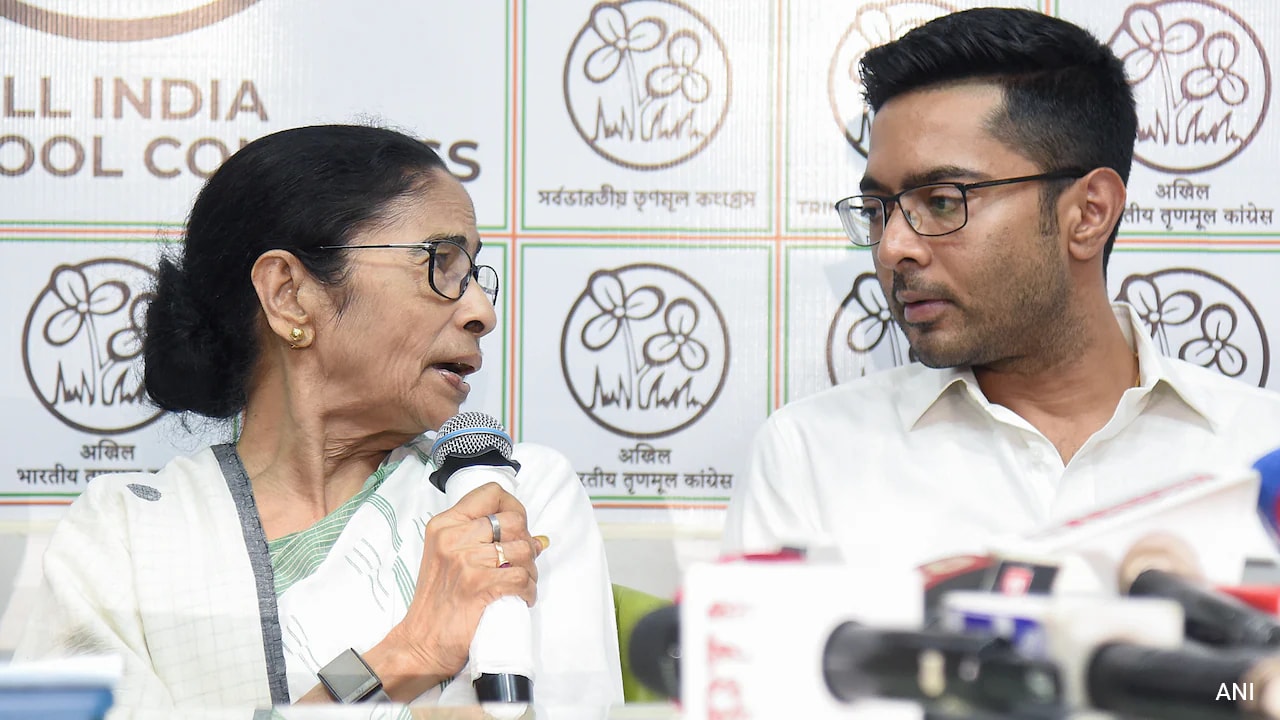
In a high-stakes political move, Abhishek Banerjee challenged party rebels, stating he is ready to take responsibility for potential losses in the 2026 polls.
The political landscape of West Bengal is witnessing intense turbulence. Amidst rising defections and internal dissent within the Trinamool Congress (TMC), young leader Abhishek Banerjee has issued a provocative challenge to the rebels within the party. Responding to questions regarding the increasing exodus of members following recent electoral setbacks, Banerjee has signaled a defiant stance to solidify his position.
In a move that has sent shockwaves through the political corridors, Banerjee stated that he is prepared to step down from his responsibilities within an hour if certain conditions or challenges are met. This bold assertion comes at a critical juncture where Mamata Banerjee's absolute control over the party is being scrutinized due to the growing number of dissidents. The core of the issue lies in the friction between the established leadership and those seeking a change in direction.
Why This Matters (इसके मायने क्या हैं)
BozokMedia analysis shows that Abhishek Banerjee’s rhetoric is a calculated attempt to reclaim the narrative. By expressing a willingness to accept responsibility for the 2026 assembly election outcomes, he is positioning himself as a leader who is not afraid of accountability—a trait often contrasted with the traditional political style.
For the common citizen and the political economy of West Bengal, this internal struggle indicates a period of instability. If the TMC fails to bridge the gap between its factions, it could lead to a significant shift in the state's political equilibrium, potentially benefiting opposition parties. The outcome of this internal power struggle will dictate the party's organizational strength for the next decade.
Banerjee's dare is a high-stakes gamble designed to silence critics and consolidate the youth wing of the party.
Historical Background
The Trinamool Congress has historically relied on the immense personal popularity of Mamata Banerjee. However, as the party matures, the transition of power from the founding generation to the next generation has become an inevitable flashpoint. Historically, political parties in India face such 'succession crises' where the old guard's influence clashes with the ambitions of rising leaders, often leading to significant splits or restructuring.
| Aspect | Mamata Banerjee Era | Abhishek Banerjee Era |
|---|---|---|
| Leadership Style | Populist & Grassroots | Strategic & Organizational |
| Primary Focus | Mass Mobilization | Structural Strengthening |
| Internal Stability | High (Centralized) | Volatile (Transitioning) |
Frequently Asked Questions (अक्सर पूछे जाने वाले प्रश्न)
Question 1: Why is there a rebellion in the TMC?
Answer: The rebellion stems from dissatisfaction regarding the party's direction and leadership dynamics following recent electoral challenges.
Question 2: What is the significance of the 2026 polls for Abhishek Banerjee?
Answer: The 2026 elections are seen as a litmus test for Banerjee's ability to lead and hold the party together.