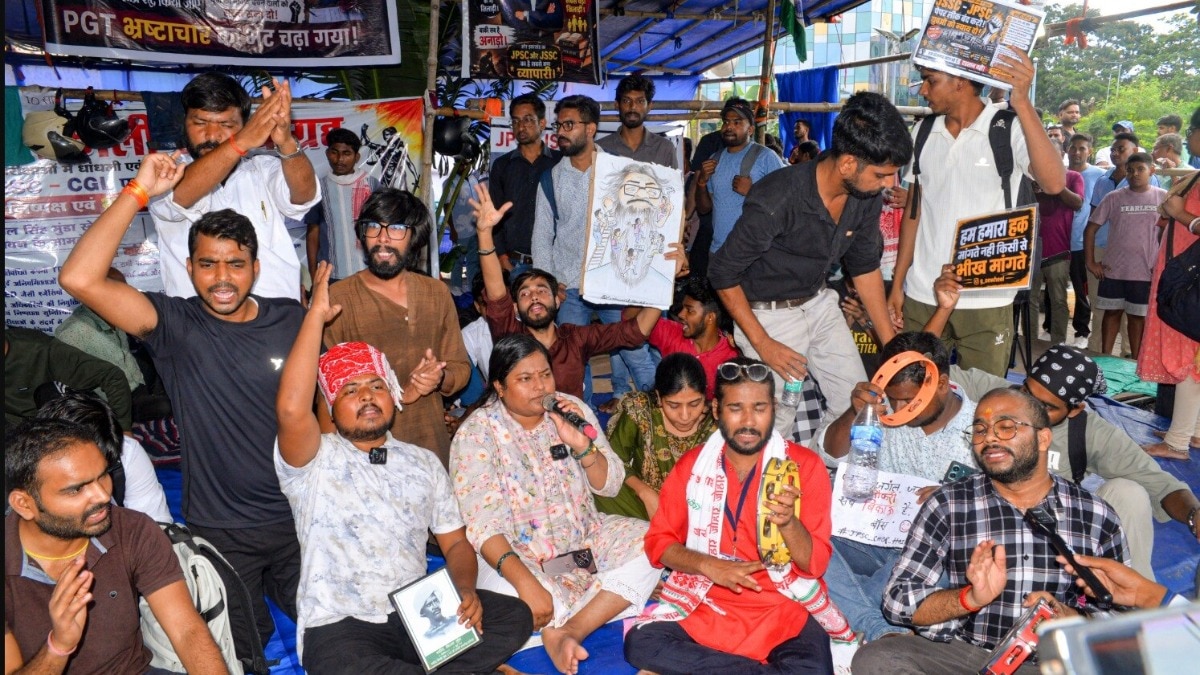
Following the Jharkhand government's decision to cancel 22 recruitment exams and probe 23 others, protesting students have suspended their 26-day agitation while issuing a strict two-month deadline for reforms.
- The Hemant Soren government has cancelled 22 recruitment exams and ordered probes into 23 others.
- The JPSC-JSSC Reforms Manch has suspended its 26-day protest but issued a 2-month ultimatum.
- Successful candidates are challenging the cancellations in the High Court to protect their jobs.
- Investigations reveal massive bribery rackets involving amounts up to ₹70 lakh.
The intense 26-day agitation led by students over alleged irregularities in Jharkhand's recruitment examinations was officially suspended on Wednesday. This decision follows a major concession by the Hemant Soren government, which agreed to cancel 22 recruitment exams and initiate formal investigations into 23 other examinations conducted since 2014. The examinations were overseen by the Jharkhand Public Service Commission (JPSC), the Jharkhand Staff Selection Commission (JSSC), and various outsourced agencies.
While the suspension brings temporary relief to the state, the atmosphere remains tense. The JPSC-JSSC Reforms Manch has not backed down entirely, instead pivoting to a strategic pause. They have issued a two-month ultimatum to the state government to resolve all discrepancies and ensure a fair, transparent probe into the recruitment malpractices.
Why This Matters
BozokMedia analysis shows that this crisis represents a fundamental breakdown of trust between the state's youth and its administrative institutions. The government's decision to cancel entire exams is a high-stakes gamble: it aims to purge corruption but risks disenfranchising thousands of meritorious candidates who have already secured positions in various government departments.
Restoring the sanctity of the recruitment process is non-negotiable for the state's administrative integrity.
The fallout of the cancellation has created a secondary wave of protests. Approximately 2,000 successful candidates, who had already joined departments such as finance, home, and road transport, are now fighting for their livelihoods. They argue that punishing the entire cohort for the alleged sins of a few is unjust, a sentiment that has led them to seek immediate relief from the Jharkhand High Court.
On the investigative front, the Jharkhand CID has made significant breakthroughs. The arrest of individuals linked to key accused Abhay Tiwari has unraveled a sophisticated bribery network. Investigators claim that Tiwari, who allegedly cleared 12 competitive exams over 13 years, operated using 'rate charts' where candidates could purchase success for amounts ranging from ₹2 lakh to ₹70 lakh.
| Entity/Group | Stance/Action |
|---|---|
| JPSC-JSSC Reforms Manch | Suspended protest; demanded 2-month resolution. |
| Successful Candidates | Protesting cancellations; moved to High Court. |
| Hemant Soren Govt | Cancelled 22 exams; ordered 23 probes. |
Frequently Asked Questions
1. What is the government's plan for long-term reform?
The government has formed a committee led by senior IAS officer Amitabh Kaushal to recommend systemic reforms and has proposed internal vigilance cells within recruitment commissions.
2. Why are successful candidates protesting?
They fear that the mass cancellation of exams will lead to the loss of their legitimate jobs, despite having cleared the tests on merit.