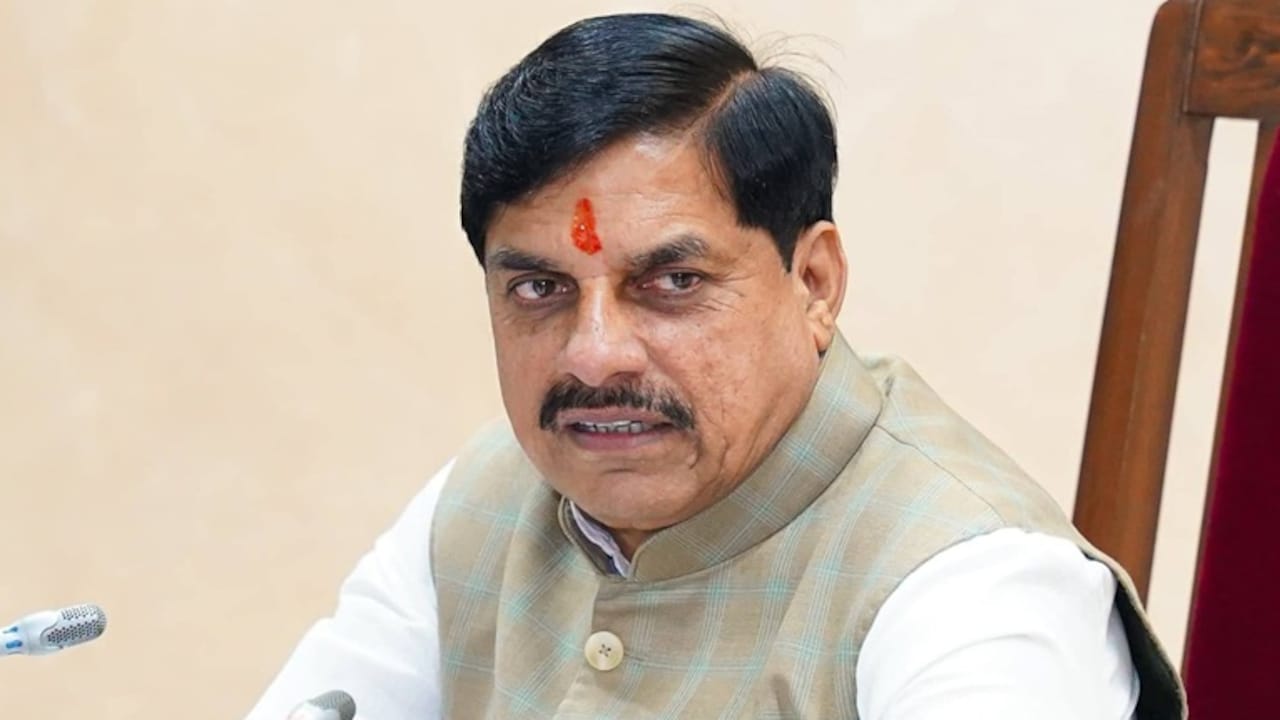
Madhya Pradesh government has drafted a Uniform Civil Code bill aimed at enforcing monogamous marriage and guaranteeing equal inheritance rights for all citizens. The legislation follows recommendations of a seven‑member committee and was hailed as a historic decision by Chief Minister Mohan Yadav.
Key Takeaways (मुख्य बिंदु)
- Mandates monogamous marriage across all communities
- Ensures equal inheritance rights irrespective of gender
- Marks Madhya Pradesh's first comprehensive Uniform Civil Code effort
Chief Minister Mohan Yadav described the proposed legislation as a "landmark decision" that seeks to ensure equal rights, equal opportunities, and equal justice. The bill aims to replace existing personal laws with a single set of rules applicable to every citizen, thereby promoting compulsory monogamy and gender‑neutral inheritance.
Historical Background
Article 44 of the Indian Constitution enshrines the goal of a Uniform Civil Code (UCC) as a directive principle, yet a nationwide implementation has remained elusive for decades. Various states have attempted incremental reforms—Tamil Nadu in 2019 amended inheritance laws to favor women, while Kerala introduced limited monogamy provisions. The Madhya Pradesh draft is based on a seven‑member committee formed in 2023, which highlighted persistent disparities in marriage and property rights across religious communities.
Key Provisions of the Draft Bill
The legislation explicitly bans polygamy, making monogamous marriage the only legal form for all citizens. It also guarantees that all heirs—male or female—receive equal shares of ancestral property, removing gender‑based biases that currently favor sons. Additional clauses outline transparent procedures for property distribution and encourage joint family cooperation.
Comparison Table
| Aspect | Current Personal Laws | Proposed Uniform Civil Code |
|---|---|---|
| Marriage Type | Varies by religion (polygamy allowed in some) | Monogamous marriage mandatory for all |
| Inheritance Rights | Male‑preferred, limited rights for women | Equal rights regardless of gender |
| Property Distribution | Religion‑specific customs | Uniform, transparent guidelines |
Why This Matters (इसके मायने क्या हैं)
According to BozokMedia analysis, the adoption of a uniform code will not only advance social equality but also empower women economically by granting them the same claim to family assets as men. Equal inheritance can reduce rural‑urban wealth gaps, fostering broader economic stability.
Politically, Madhya Pradesh positioning itself as the first Indian state to enact a comprehensive UCC could set a precedent for other states, encouraging a nationwide shift toward uniformity and reducing legal fragmentation that often hampers judicial efficiency.
"Mandating monogamy and equal inheritance is a decisive stride toward social justice and economic fairness," said Dr. Ananya Rao, Professor of Law, National Law University, Delhi.
Frequently Asked Questions (अक्सर पूछे जाने वाले प्रश्न)
Q1: Will the bill apply uniformly to all religious communities?
A: Yes, the proposed Uniform Civil Code is designed to supersede personal laws, ensuring the same legal standards for every citizen regardless of faith.
Q2: How will existing polygamous marriages be affected?
A: Existing polygamous unions will need to be regularized under the new monogamy rule, which may involve legal adjustments but aims to protect women's rights and promote social cohesion.