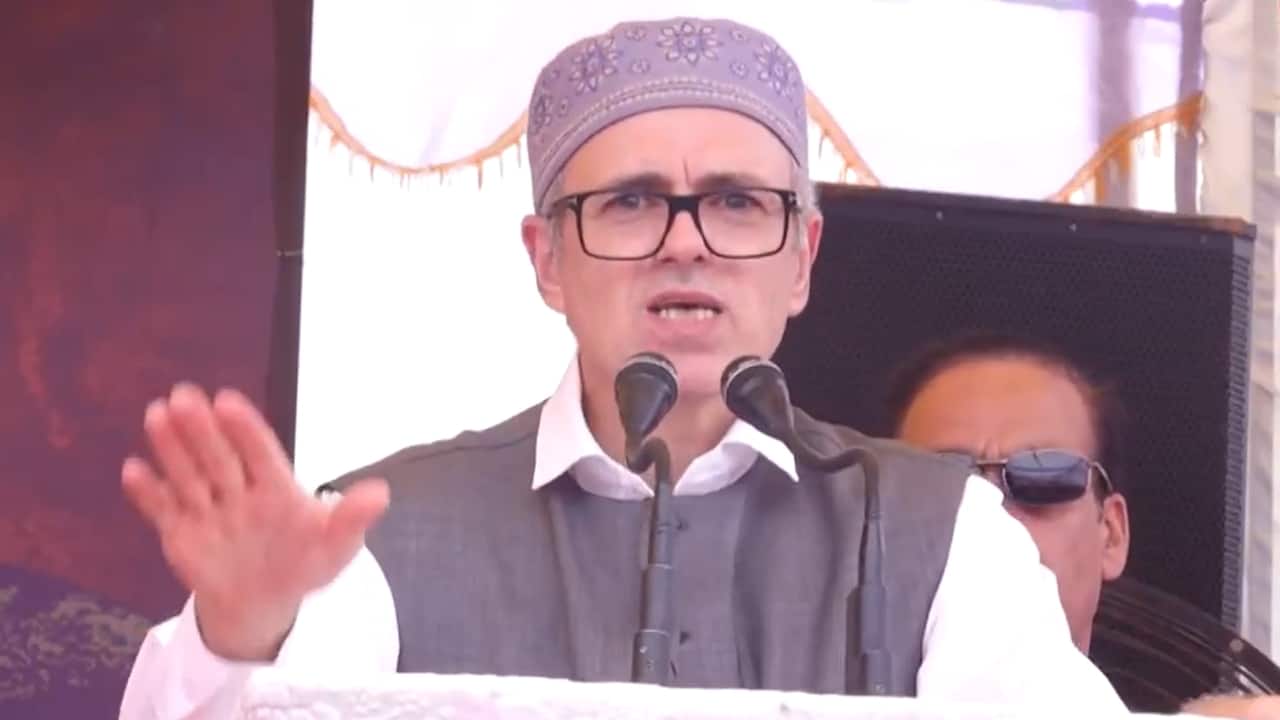
Jammu & Kashmir Chief Minister Omar Abdullah called the BJP’s ₹100 crore defamation notice a “love letter,” intensifying a political spat that began after he accused the party of horse‑trading. The dispute now threatens to spill over into the courts ahead of a major protest in Delhi.
Key Takeaways
- BJP served a ₹100 crore defamation notice to J&K CM Omar Abdullah.
- Abdullah dismissed the notice as a “love letter,” escalating political tension.
- National Conference plans a legal counter‑offensive ahead of a Delhi protest.
On July 13, 2026, Omar Abdullah, the Chief Minister of Jammu & Kashmir, sparked a fresh political showdown after accusing the Bharatiya Janata Party (BJP) of “horse‑trading” during a rally of National Conference (NC) workers in Srinagar. In response, the BJP dispatched a seven‑day legal notice demanding proof of his allegations or a public apology, warning that failure to comply would trigger a ₹100 crore defamation suit.
BJP’s Legal Threat and Abdullah’s ‘Love Letter’ Retort
The BJP claimed the notice was sent electronically, but Abdullah brushed it off as a “love letter,” saying, “I consider this a great honour because I am the only politician in Jammu & Kashmir who has been bestowed with a love letter like this from the BJP.” He portrayed the notice as a mark of respect, implying that the party could not ignore his political clout. Abdullah further criticized the BJP for seeking judicial intervention instead of engaging in open political debate.
National Conference’s Counter‑Legal Strategy
Abdullah announced that the NC would shift from defensive tactics to an aggressive legal offensive. The party intends to serve defamation notices to several senior BJP leaders in the region, alleging that they have spread false accusations against the NC and its leadership in recent months. This reciprocal legal maneuver signals a deepening rift that could spill over into the courts, complicating an already volatile political landscape.
Allegations of Horse‑Trading and Their Fallout
During the same address, Abdullah claimed the BJP was attempting to destabilise his government by offering NC legislators ₹20‑30 crore, ministerial posts, and promises of restored statehood in exchange for switching allegiance. The BJP categorically denied these claims, labeling them “false and baseless.” Such accusations of horse‑trading have historically inflamed regional politics, and the current exchange threatens to further polarise the electorate.
Impending Delhi Protest and Broader Implications
The NC is gearing up for a large‑scale mobilisation at Jantar Mantar in New Delhi on July 20, 2026, demanding the central government restore full statehood to Jammu & Kashmir. Abdullah said the party is still waiting for formal permission from Delhi Police, noting that the standard clearance period is five days. The convergence of a courtroom battle and a mass protest underscores a strategic shift: political parties are increasingly leveraging legal instruments to amplify their demands.
Overall, this episode highlights the growing reliance on judicial avenues to settle political disputes in India. While the legal route offers a structured mechanism for redress, it also risks sidelining substantive policy dialogue, potentially eroding democratic deliberation in the long run.