The government aims to pass the 130th and 131st Constitution Amendment Bills when the Monsoon Session starts on July 20. Negotiations with NCP‑SP and the DMK are intensifying as the ruling coalition seeks the extra votes needed for a two‑thirds majority.
Key Takeaways
- Goal to pass the 130th and 131st Constitution Amendment Bills during the Monsoon Session
- NCP‑SP conditions: expansion of Lok Sabha seats and 50% reservation cap
- Government needs an additional 36 votes to secure a two‑thirds majority
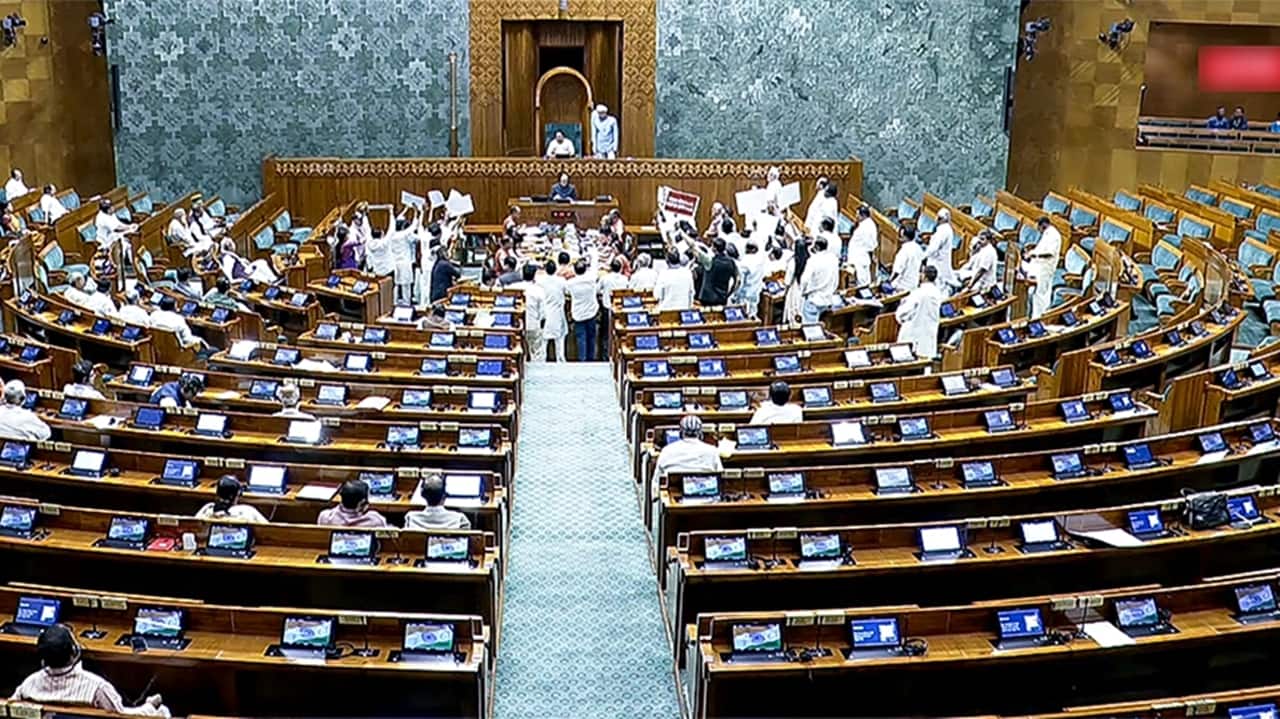
The upcoming Monsoon Session, commencing on July 20, places the Delimitation Bill at the centre of parliamentary drama. The Modi administration is targeting the passage of the 130th and 131st Constitution Amendment Bills, which together require a two‑thirds majority of 360 votes in the Lok Sabha. Currently, the National Democratic Alliance (NDA) commands 324 seats, leaving a shortfall of 36 votes.
Political Equation: NCP‑SP and DMK’s Leverage
Nationalist Congress Party (Sharadchandra Pawar) leader Supriya Sule has put forward two pre‑conditions for any support: an increase in the total number of Lok Sabha seats and clarification on the 50 percent reservation ceiling. Sule emphasized that her party will consider backing the bill only after these issues are addressed, though no formal stance has been taken yet. Meanwhile, the Dravida Munnetra Kazhagam (DMK) is seen as the holder of the crucial 36 votes that could bridge the gap.
Historical Context
Delimitation in India has been frozen since 1976, primarily due to rapid population growth and resultant disparities in representation. After the 2020 census, discussions on redrawing constituency boundaries revived. If enacted, the new delimitation could reduce seats for northern states while adding seats for southern and eastern regions, reshaping the political landscape.
Economic and Social Implications
Redistributing seats influences not just political power but also the allocation of development funds, planning resources, and public services. For agrarian‑dominant states, increased representation could usher in new priorities for rural development. The debate over the 50 percent reservation cap also revives broader conversations about social equity and affirmative action.
Path Forward
Before the bill can be tabled, the government must secure support from opposition parties. If the NCP‑SP and DMK align with the government, the two‑thirds threshold becomes attainable. Yet, other regional players—such as Tamil Nadu’s AIADMK, West Bengal’s TMC, and Maharashtra’s coalition partners—remain pivotal in the arithmetic. Consequently, the Monsoon Session could become a watershed not only for legislative business but also for the future balance of power in Indian politics.