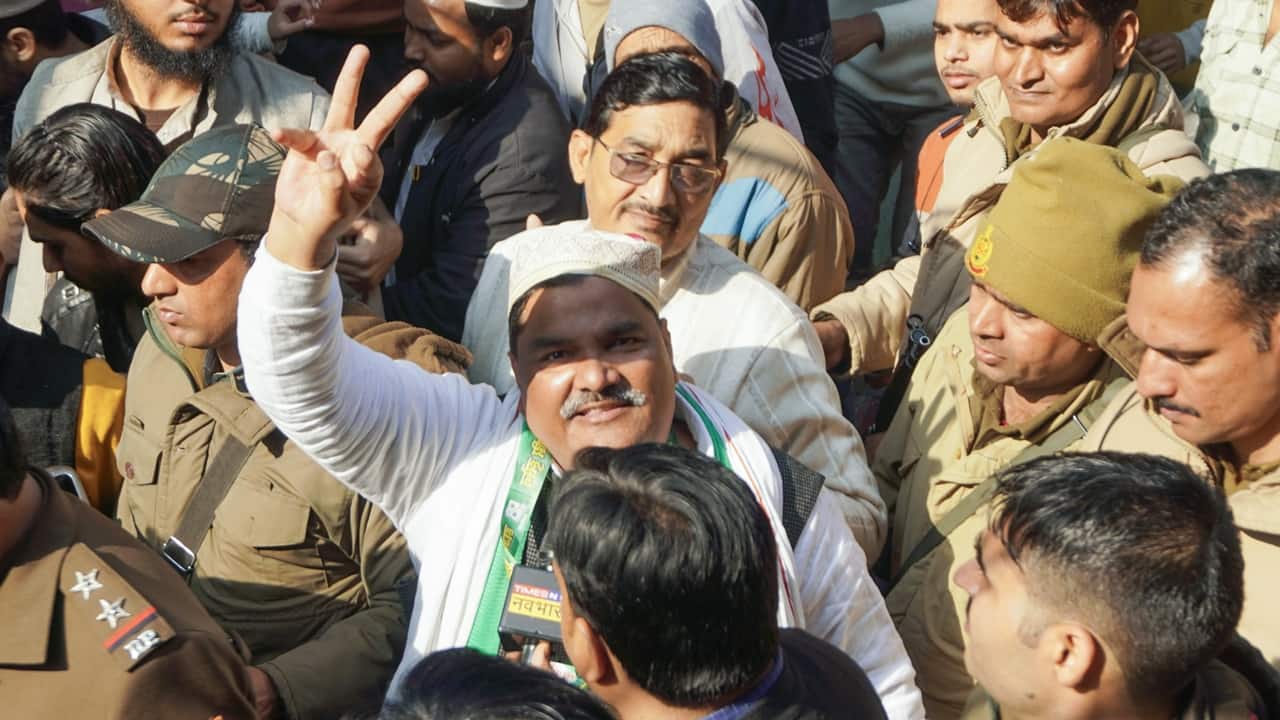
Delhi's Karkardooma Court on July 13 found former AAP councillor Tahir Hussain and four accomplices guilty of murdering IB officer Ankit Sharma during the 2020 riots. Six other accused were acquitted due to insufficient evidence, and sentencing remains pending.
Key Takeaways
- Former AAP councillor Tahir Hussain and four others convicted for murder
- Six co‑accused cleared for lack of evidence
- Sentencing date yet to be announced
The Karkardooma Court in Delhi delivered its verdict on July 13, 2026, convicting former AAP councillor Tahir Hussain and four associates – Javed, Anas, Nazim and Kasim – for the murder of IB officer Ankit Sharma during the February 2020 Delhi riots. The court held them guilty under Sections 302 (murder), 365 (kidnapping), 147‑148 (rioting), 153A (promoting communal disharmony) and 188 (disobeying orders of a public servant).
Background of the 2020 Delhi Riots
In February 2020, violent clashes erupted in the Khajuri Khas and Chand Bagh localities, leaving dozens dead and many bodies recovered from drains, including that of Officer Sharma. The riots were marked by communal overtones, with political leaders and local influencers accused of stirring hatred. Prosecutors argued that Hussain incited the mob, urging them to target Hindus and “not spare them.”
Legal Trail and Charges
Charges were framed in March 2023 against eleven suspects, covering rioting, hate‑speech, murder and criminal conspiracy (Section 120B). However, the court later dismissed the conspiracy charge, focusing solely on the murder and related offences. The prosecution’s case rested on eyewitness testimony, forensic evidence linking the accused to the drain where Sharma’s body was found, and recorded statements indicating coordinated abduction.
Implications of the Verdict
The conviction underscores the judiciary’s resolve to hold political figures accountable for communal violence. While six other defendants were acquitted on the grounds of insufficient proof, the decision sends a clear message that participation in unlawful assemblies will attract severe penalties. The ruling also re‑affirms the principle that evidence, not affiliation, dictates guilt in Indian courts.
Next Steps – Sentencing
The court has postponed the sentencing hearing, allowing counsel to present mitigating factors and explore appeals. Observers expect a substantial custodial term, given the gravity of the offences. The verdict is likely to influence future law‑enforcement strategies, prompting tighter surveillance of political rhetoric during volatile situations.