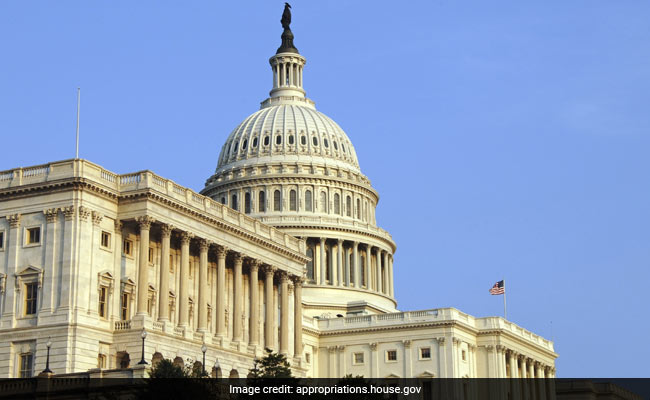
U.S. House Republicans have announced a massive $95 billion spending plan aimed at addressing the Iran conflict, providing agricultural relief, and preparing for upcoming elections.
Key Takeaways
- House Republicans proposed a $95 billion package covering defense, agriculture, and election readiness.
- A significant portion is dedicated to military response capabilities regarding Iran.
- The plan aims to stabilize the domestic farming sector amidst global volatility.
The U.S. House Republican leadership has unveiled a sweeping $95 billion strategic financial roadmap designed to navigate a complex landscape of international conflict and domestic necessity. This legislative push arrives at a critical juncture, as tensions between the United States and Iran escalate, with both nations threatening strikes on civilian infrastructure. The proposed budget seeks to fortify national defense while simultaneously addressing the economic anxieties of the American heartland through farm aid and election-related infrastructure.
The centerpiece of this plan involves a massive allocation for military readiness. As the U.S. military continues operations in the Middle East, the Republican proposal emphasizes the need for a robust defense posture to deter further aggression. Beyond the battlefield, the plan recognizes the vulnerability of the American agricultural sector, proposing substantial aid to ensure food security and economic stability for farmers facing unpredictable global markets.
Why This Matters (इसके मायने क्या हैं)
BozokMedia analysis shows that this $95 billion proposal is a high-stakes gamble on American hegemony and domestic resilience. By prioritizing defense and agriculture, the GOP is attempting to secure two pillars of national stability: military deterrence and food supply. If successful, it could stabilize energy markets by signaling strength in the Middle East, but it also carries significant fiscal risks.
For the average citizen, the implications are twofold. While increased agricultural aid could lead to more stable food prices, the massive influx of government spending could exacerbate inflationary pressures. Furthermore, the focus on election-related funding suggests a strategic move to bolster political infrastructure ahead of pivotal voting cycles, potentially shifting the political landscape for years to come.
"This budget is less about simple spending and more about a strategic re-alignment of American priorities in an increasingly multipolar world."
Historical Background: The concept of large-scale military-industrial spending has been a staple of U.S. policy since the Cold War. Historically, whenever the U.S. faces a major regional threat—such as the tensions in the Persian Gulf during the 1980s—Congress has responded with significant budgetary shifts to ensure military superiority and economic preparedness.
| Focus Area | Republican Proposal | Democratic/Opposition Stance |
|---|---|---|
| Military Spending | High priority for Iran deterrence | Focus on diplomatic de-escalation |
| Agriculture | Direct subsidies and aid | Climate-resilient farming focus |
| Economic Goal | Security-driven growth | Social safety net expansion |
Frequently Asked Questions (अक्सर पूछे जाने वाले प्रश्न)
Question 1: How will this plan affect the US deficit?
Answer: Large-scale spending of $95 billion will likely increase the national debt unless offset by significant tax reforms or spending cuts elsewhere.
Question 2: Why is agriculture included in a defense-heavy plan?
Answer: Republicans view food security as a component of national security, ensuring the country remains stable during international crises.