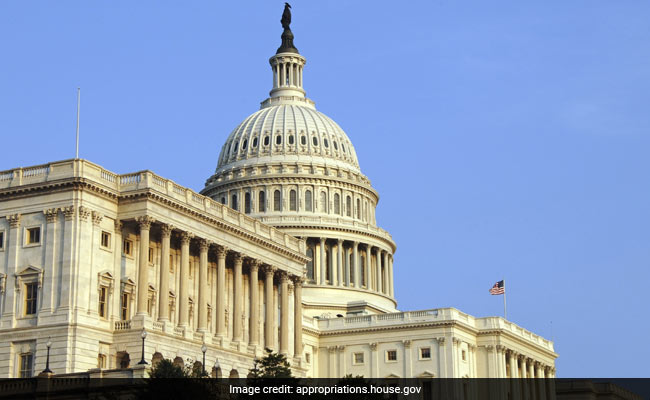
The House narrowly approved a $95 billion budget framework by a 216‑214 vote, earmarking most of the money for the Pentagon to finance a potential war against Iran. The measure now moves to the Senate for consideration.
मुख्य बिंदु (Key Takeaways)
- House approves $95 billion budget by 216‑214 vote
- Major portion allocated to Pentagon for Iran war funding
- Bill now heads to the Senate for further review
The United States House of Representatives approved a $95 billion budget framework on Wednesday, with the majority of funds earmarked for the Pentagon to support a possible war against Iran. The vote was razor‑thin, passing 216‑214, highlighting deep partisan divides over national security spending.
Historical Background (तथ्यात्मक पृष्ठभूमि)
Over the past decade, Congress has repeatedly increased defense spending in response to evolving threats in the Middle East. In the 2022 budget, the Pentagon received roughly $700 billion, but specific allocations for a direct Iran conflict were modest. Escalating concerns over Iran's nuclear ambitions and regional influence prompted a shift in 2023, where lawmakers began earmarking dedicated war funds, setting the stage for this year's more explicit financing.
Comparison of Funding Allocation
| Fiscal Year | Total Budget | War Funding for Iran |
|---|---|---|
| 2023 | $98 billion | $12 billion |
| 2024 | $95 billion | $20 billion |
While the overall budget sees a slight dip, the allocation for war‑related spending more than doubles, signalling a clear policy pivot toward confronting Iran militarily if diplomatic avenues fail.
Why This Matters (इसके मायने क्या हैं)
BozokMedia analysis shows that the approval of this budget could strain the federal deficit, potentially forcing higher taxes or cuts to domestic programs. Moreover, increased defense outlays often translate into higher oil prices worldwide, directly affecting consumers and businesses alike.
For ordinary Americans, the ripple effects may appear as rising gasoline costs, tighter household budgets, and a more contentious political climate as lawmakers debate the trade‑off between security and economic wellbeing.
"Such a surge in defense spending risks ballooning the national debt and could limit fiscal flexibility for critical social investments," noted defense economist Dr. Laura Mitchell.
Frequently Asked Questions (अक्सर पूछे जाने वाले प्रश्न)
Question 1: Does the budget explicitly fund a war against Iran?
Answer: Yes, the plan earmarks an additional $20 billion for the Pentagon specifically for potential operations against Iran.
Question 2: When will the Senate consider this budget?
Answer: The House passed the measure on April 27; the Senate is expected to debate and vote on it within the following week.