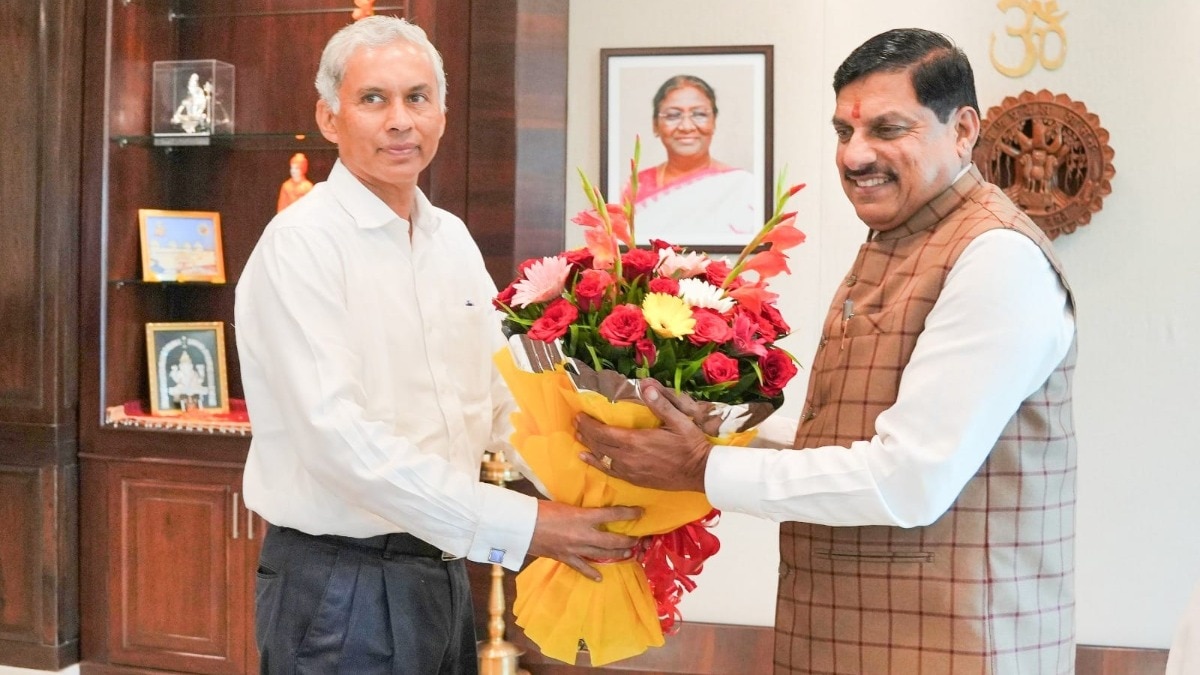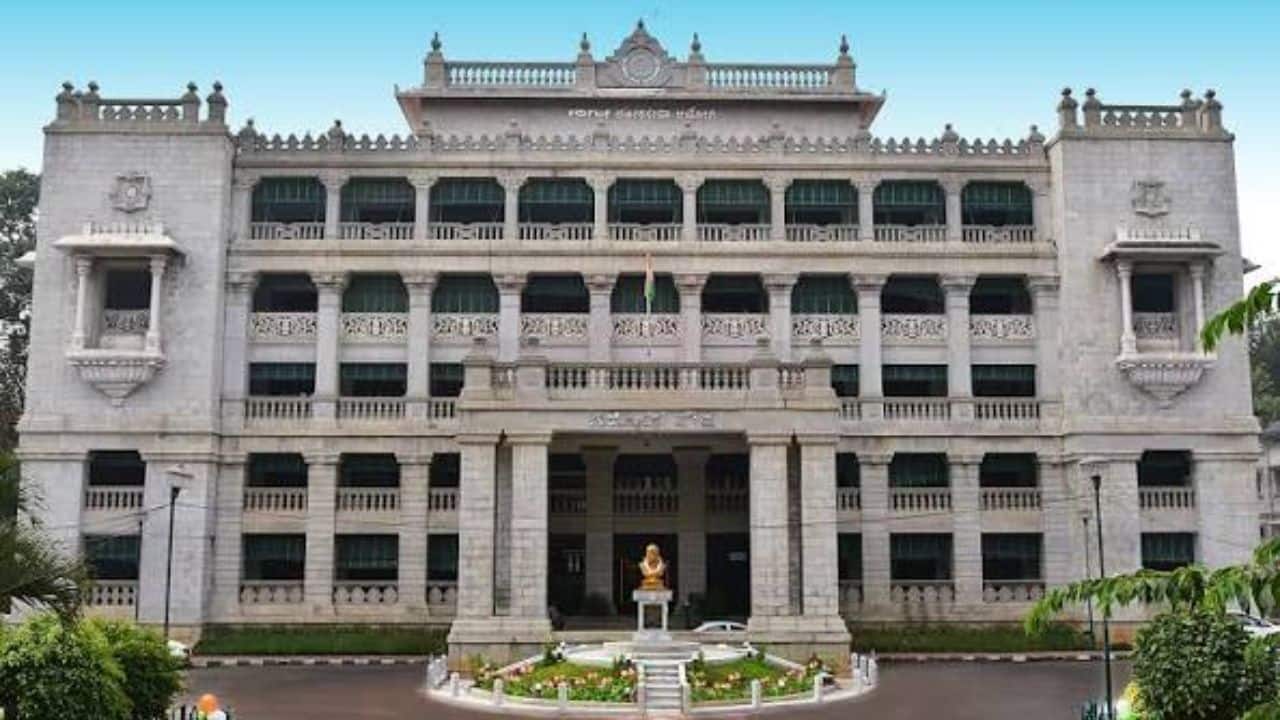
Karnataka's Public Service Commission chairman has been suspended amid accusations of illegally appointing his daughters. The governor has recommended a Supreme Court inquiry under Article 317(1) of the Constitution.
Key Takeaways
- KPSC Chairman Shivashankarappa S. Sahukar suspended for nepotism.
- Governor urges Supreme Court investigation under Article 317(1).
- Government order bars PSC Chairman’s children from reservation benefits.
Governor Thaawar Chand Gehlot of Karnataka has suspended Shivashankarappa S. Sahukar, the Chairman of the Karnataka Public Service Commission (KPSC), following serious nepotism allegations. A statement from Raj Bhavan disclosed that Sahukar allegedly engineered the unlawful selection of his two daughters for the post of Industrial Extension Officer.
Background and Legal Framework
KPSC is an autonomous body responsible for conducting recruitment examinations for various state government positions. Under Article 317(1) of the Indian Constitution, any misconduct by a Public Service Commission member can be subjected to judicial scrutiny, including removal or suspension. The governor’s recommendation to refer the matter to the Supreme Court seeks to ensure an impartial and transparent investigation.
Details of the Allegations
According to the Raj Bhavan release, Sahukar’s daughters allegedly declared a family annual income of just ₹40,000 to obtain income and caste certificates, thereby claiming OBC reservation and a creamy‑layer exemption. In reality, the family’s income exceeded the prescribed threshold, and the daughters were fully aware of their father’s position as commission chairman at the time.
The statement also highlighted Government Order No. SWD 225 BCA 2000 dated 30 March 2002, which explicitly prohibits children of a PSC Chairman from availing reservation benefits under Karnataka’s backward‑class quota. The governor’s office asserted that this restriction was knowingly circumvented, describing the lapse as “an act impossible without administrative oversight or deliberate blindness by the head of the Commission.”
Impact of the Suspension and Next Steps
The suspension is effective immediately, aiming to prevent any further interference with the commission’s functioning. The governor emphasized that this measure is essential to preserve the integrity and credibility of KPSC while the inquiry proceeds.
The matter will now be forwarded to the President’s Office, which is expected to refer it to the Supreme Court for a formal probe under Article 317(1). A judicial examination could set a precedent for stricter oversight of recruitment processes across India’s public service commissions.
Broader Implications
If the Supreme Court finds substantive misconduct, it could trigger comprehensive reforms in how state‑level recruitment bodies operate, reinforcing anti‑nepotism safeguards and enhancing public trust. The case underscores the need for robust conflict‑of‑interest disclosures and strict adherence to reservation policies.