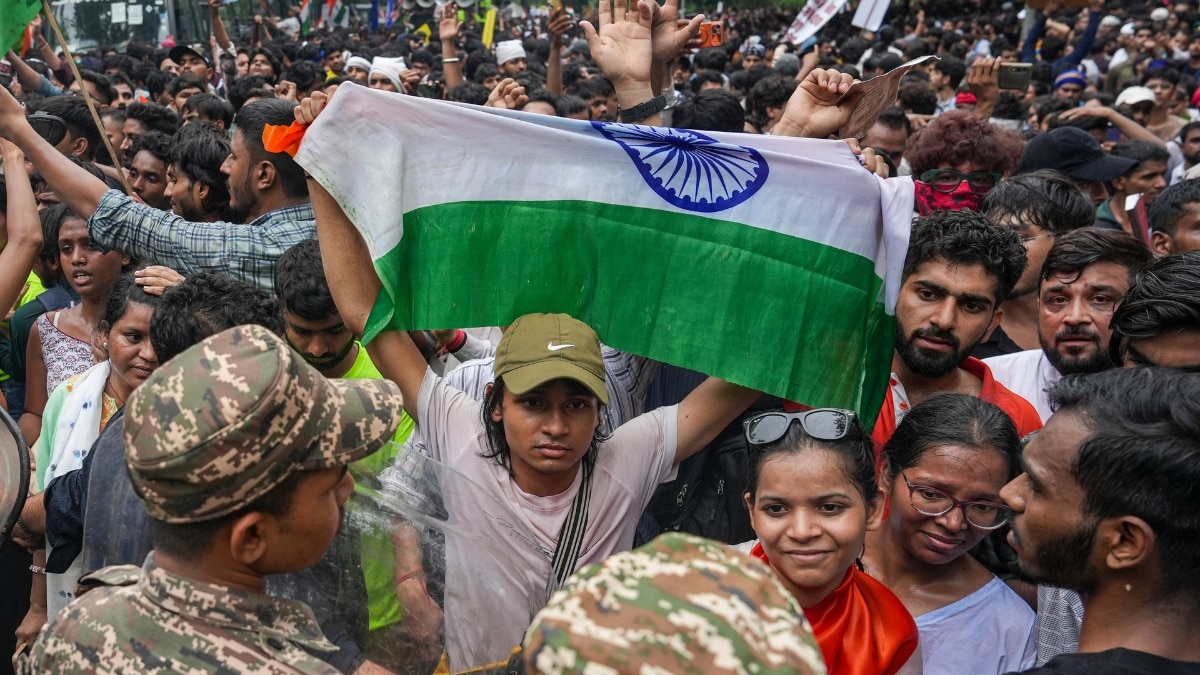
During a TMC‑led march protesting the Baruipur incident, West Bengal chief minister Mamata Banerjee was seen slapping a party worker, sparking fresh political turmoil. The rally, sanctioned by the Calcutta High Court, turned chaotic as rival chants and clashes erupted.
A large procession organized by the Trinamool Congress (TMC) under Chief Minister Mamata Banerjee set out from the Ballygunge outpost to protest the alleged rape‑murder of a minor in Baruipur. The march had received explicit permission from the Calcutta High Court and was heading toward Hazra Crossing in south Kolkata.
Escalation on the Streets
Within minutes of the rally’s launch, slogans such as "Chor Chor" ("thief") rang out, and minor scuffles broke out between BJP and TMC supporters. TMC claimed several of its workers were assaulted, while BJP supporters alleged provocation from the TMC side.
The Slap That Stunned Onlookers
Amid the rising tension, Mamata Banerjee stepped out of her Kalighat residence, where a dense crowd had gathered. While attempting to pacify the situation, she appeared to lose her temper and slapped a fellow TMC worker in full view of cameras and onlookers. The incident was quickly captured on video and spread across social media, prompting a wave of criticism and speculation about her composure under pressure.
Political Fallout and Accusations
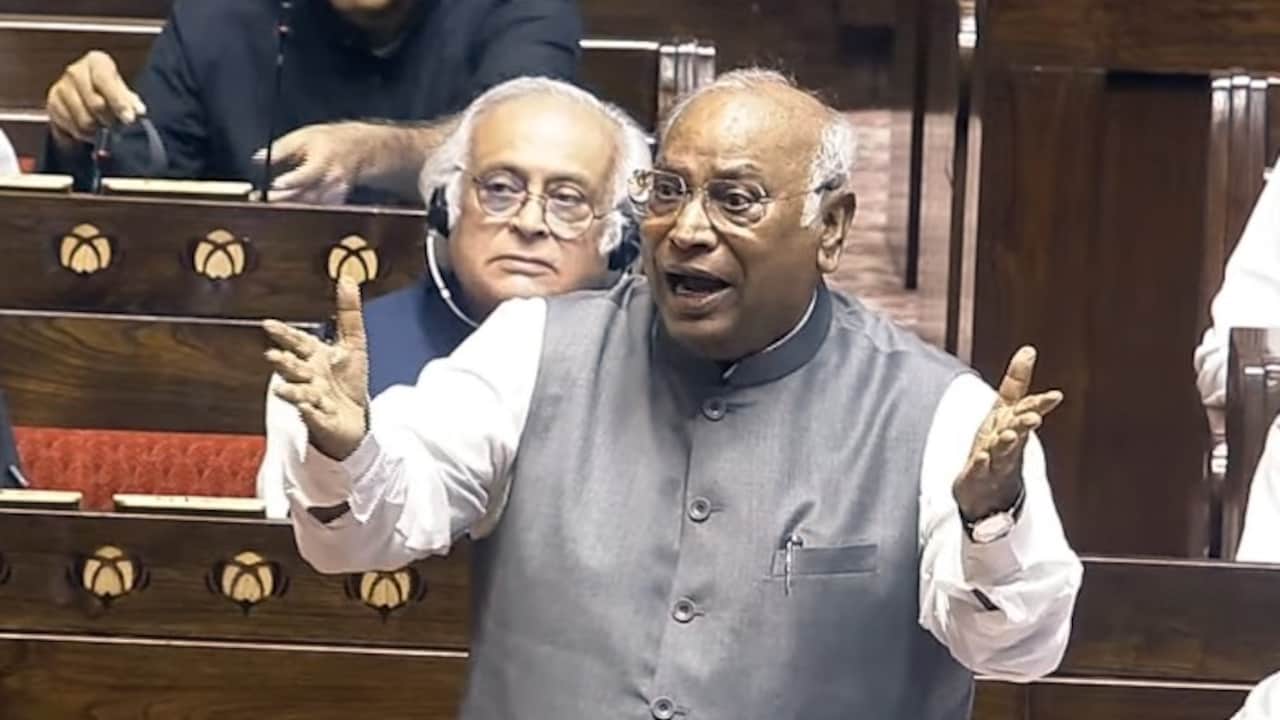
Union Minister Sukanta Majumdar seized the moment to launch a scathing attack, stating that Banerjee’s "mental balance" had been lost after being ousted from power. Banerjee, for her part, blamed the police for inadequate security and accused BJP goons of disrupting the march, alleging that women participants were assaulted and that microphones were confiscated.
Implications for West Bengal’s Political Landscape
The Baruipur case has already ignited a nationwide debate on women’s safety, but the slap incident adds a new layer of political volatility. Analysts warn that repeated episodes of public aggression by senior leaders could erode public confidence in democratic institutions and embolden opposition forces. Moreover, the fact that the rally proceeded despite a court order yet still descended into chaos raises questions about law‑enforcement efficacy and the respect for judicial directives.
In sum, the episode underscores the fragile balance between protest rights and public order in a highly charged environment. As the state heads toward upcoming elections, both parties will likely leverage the incident to rally their bases, while civil society groups call for calm, accountability, and a swift, transparent investigation into the Baruipur crime itself.