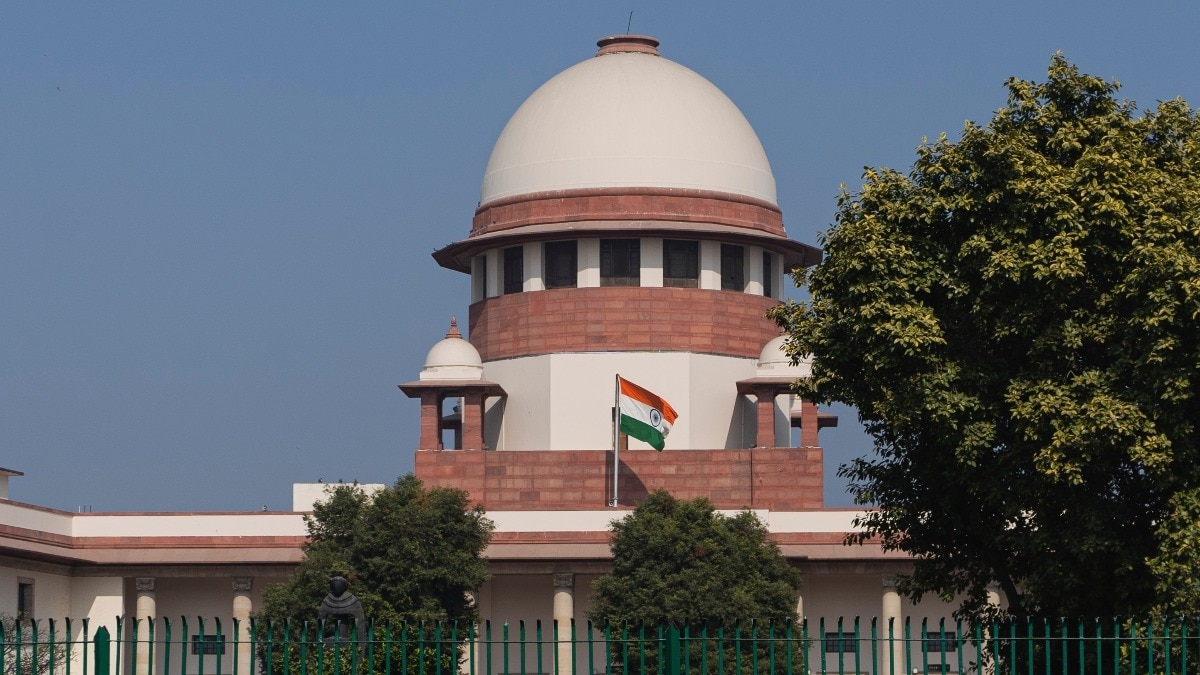
The Supreme Court has directed all states and union territories to temporarily raise the retirement age of judicial officers from 60 to 61, pending a final decision on a uniform 62‑year retirement age across the country.
Key Takeaways
- Supreme Court proposes an interim retirement age of 61 for judges.
- The arrangement kicks in from April 1, 2026, where state governments and high courts agree.
- The ultimate goal is a uniform retirement age of 62 for all district judges.
In a landmark move, the apex court has asked every state and union territory to consult their respective high courts and, where consensus is reached, allow judicial officers to serve until the age of 61. The order, delivered by a bench led by Chief Justice Surya Kant, gives a two‑week window for states to record their stance in writing.
This interim step aims to bridge the patchwork of retirement ages that currently exist across India while the Supreme Court deliberates on a nation‑wide raise to 62 years. The court made it clear that this temporary provision will not prejudice the final determination on the uniform age limit.
Historical Background
Back in 2002, the Supreme Court rejected the recommendations of the Justice K. J. Shetty Commission, which had advised raising the retirement age of district judges to 62. Since then, a few states such as Telangana and Madhya Pradesh have moved ahead with their own proposals, whereas others like Punjab and Haryana have resisted, citing existing government employee norms capped at 60 years.
The divergent positions prompted the court to craft a middle‑ground solution: an interim increase to 61 years where the state executive and its high court are in agreement, thereby providing a uniform platform for further debate.
Why This Matters (इसके मायने क्या हैं)
According to BozokMedia analysis, extending the retirement age allows seasoned judges to continue contributing their expertise, reducing case backlog and accelerating the resolution of complex litigation. This not only benefits litigants but also enhances the overall efficiency of the judicial system.
From an economic perspective, retaining senior judges for a longer period ensures greater stability in legal interpretations, fostering investor confidence and supporting a predictable business environment. In short, the move strengthens both the rule of law and public trust in institutions.
"Adjusting retirement ages is not merely an administrative tweak; it reinforces the credibility and continuity of our judicial machinery," says senior legal scholar Prof. Anita Sharma.
Comparison Table
| Jurisdiction | Current Age | Interim Age (Proposed) | Final Proposed Age |
|---|---|---|---|
| Central (District Judges) | 60 years | 61 years (effective 1 April 2026) | 62 years (nationwide) |
| High Court Judges | 62 years | No change | 62 years (as is) |
Frequently Asked Questions (अक्सर पूछे जाने वाले प्रश्न)
- Question: Will every state automatically adopt the 61‑year rule?
Answer: No. Adoption depends on a written consensus between the state government and its high court, which must be submitted within two weeks. - Question: When will the uniform 62‑year age be finalized?
Answer: The Supreme Court’s final ruling is pending; the decision will be announced after the ongoing judicial review concludes.