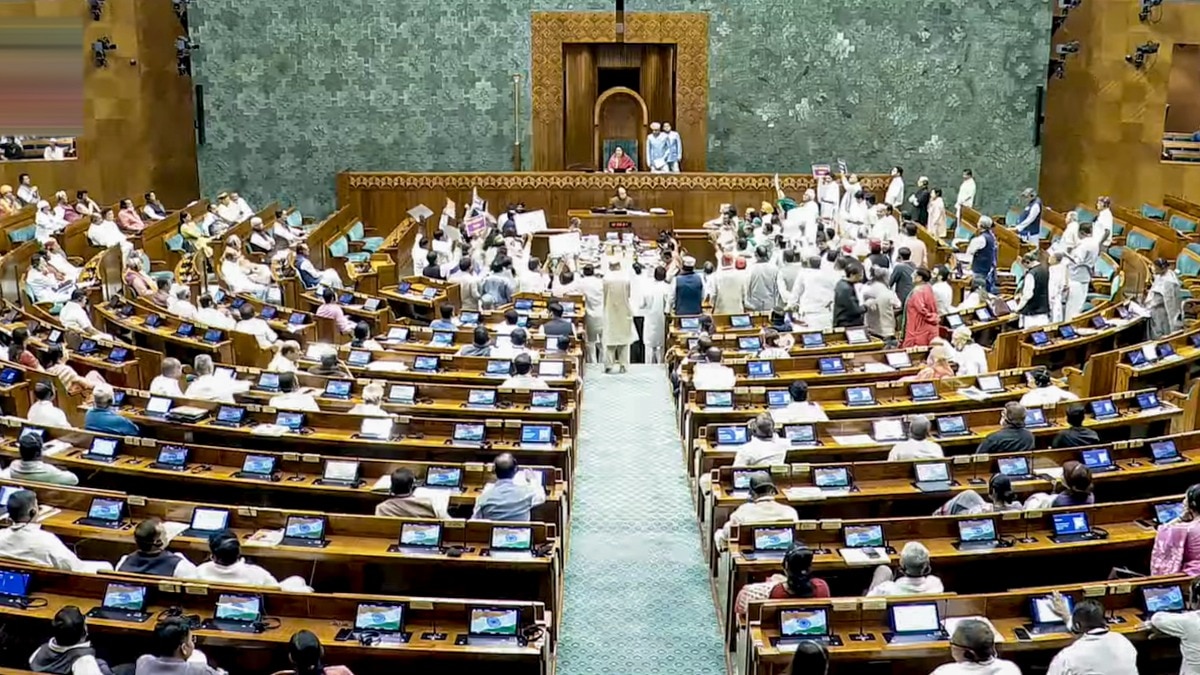
A recent political cartoon has sparked intense debate regarding the NEET exam integrity and the resulting political fallout. Explore the deeper implications of this crisis.
Key Takeaways
- Intense scrutiny of the NEET examination process.
- Political satire highlighting systemic flaws in education.
- Growing concerns regarding student welfare and institutional transparency.
A poignant political cartoon recently published has ignited a firestorm of debate across social and political landscapes. Focusing on the NEET exam controversy, the satire targets the cracks within the educational framework and the political maneuvering that follows such crises. The imagery serves as a powerful critique of how institutional failures impact the lives of millions of aspiring medical students.
The controversy stems from allegations of paper leaks, irregularities in examination centers, and the overall lack of transparency in the conduct of the national-level entrance test. This has not only led to widespread student protests but has also become a central point of contention among major political parties, turning a pedagogical issue into a national political crisis.
Why This Matters
BozokMedia analysis shows that the integrity of mega-exams like NEET is foundational to the social contract between the state and its youth. When the sanctity of meritocracy is compromised, it erodes public trust in democratic institutions and the state's ability to govern fairly.
Furthermore, the economic implications are vast. The massive ecosystem surrounding medical coaching and higher education relies on a predictable and fair examination cycle. Any disruption or loss of faith in this system can lead to significant socio-economic instability and a brain drain of talent seeking more reliable systems abroad.
"Examination integrity is the bedrock of social mobility; without it, merit becomes a casualty of corruption."
Historical Background
The history of medical entrance exams in India has been marked by periodic bouts of unrest. From the early days of centralized testing to the current NEET regime, the struggle has always been to balance accessibility with security. Over the decades, judicial intervention has been a recurring theme to ensure that the rights of students are upheld against administrative negligence.
| Feature | Pre-Reform Era | Post-Reform Demands |
|---|---|---|
| Monitoring | Manual/Physical Security | AI-driven and Digital Surveillance |
| Accountability | Departmental Inquiries | Independent Judicial Oversight |
Frequently Asked Questions (FAQs)
Q1: What is the core issue in the NEET controversy?
A: The core issue involves allegations of mismanagement, potential paper leaks, and lack of procedural transparency.
Q2: How are students reacting to these developments?
A: Students have been organizing protests and seeking judicial intervention to ensure a fair and transparent examination process.