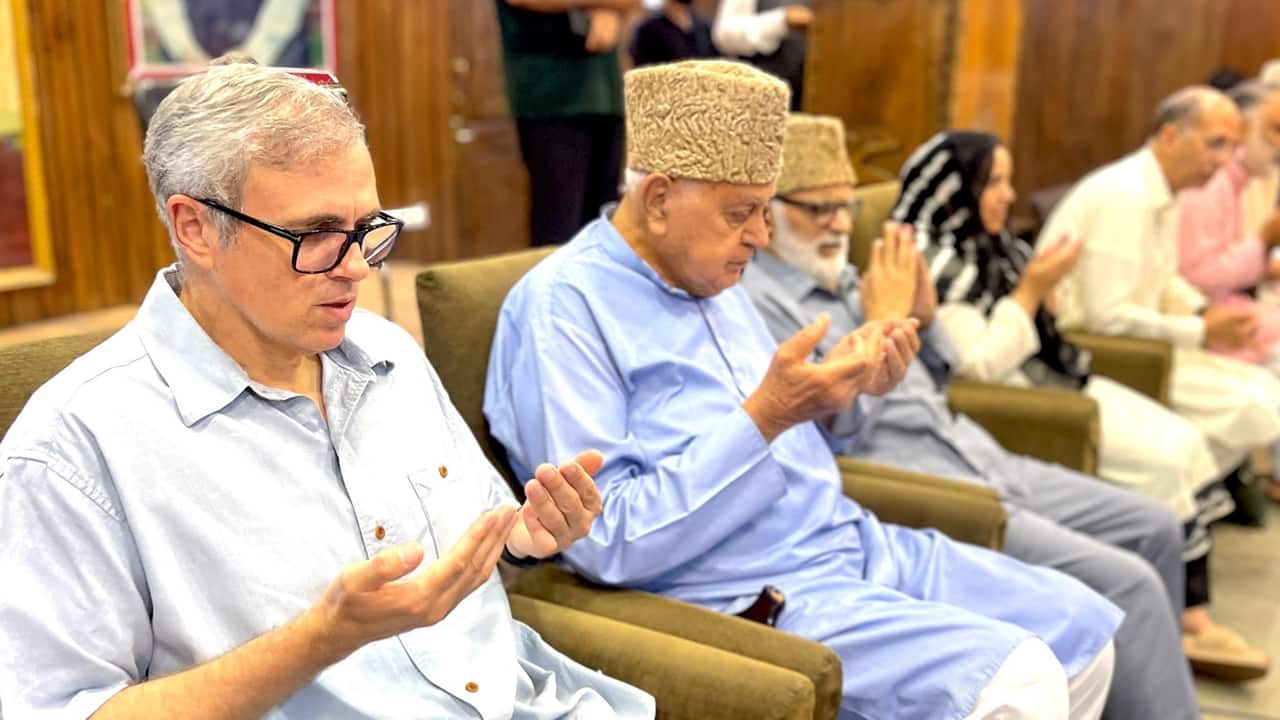
Chief Minister Omar Abdullah and his father protested a newly imposed ban on the Martyrs' Graveyard, sparking a sharp confrontation with the Lieutenant Governor. The dispute revives historic grievances over the 1931 freedom fighters and raises questions about security versus democratic rights.
Key Takeaways
- Jammu & Kashmir's Martyrs' Graveyard access has been restricted.
- CM Omar Abdullah calls the move an erasure of history and an assault on democracy.
- The Lieutenant Governor and National Conference face an escalating political standoff.
July 13th is observed as Martyrs' Day in Jammu & Kashmir, commemorating the 1931 uprising against British‑backed princely rule. This year, the Lieutenant Governor (LG) ordered a ban on visits to the historic shrine at Naqshband Sahib, prompting a fierce response from the ruling National Conference, led by Chief Minister Omar Abdullah and his father.
Historical Context
The 1931 movement saw Kashmiri citizens rise against the Maharaja's alignment with British paramountcy, resulting in numerous deaths that are still revered as a symbol of democratic struggle. The graveyard has long served as a pilgrimage site for those honoring the sacrifice of the freedom fighters. While traditionally a few hundred people could attend, the 2026 ban limits access altogether, citing “security and law‑and‑order concerns.”
LG’s Security Justification
The Lieutenant Governor argues that the region faces heightened volatility, and unrestricted access could become a flashpoint for communal tension. Official statements emphasize that the restriction is temporary and not aimed at any particular community, but critics contend it serves a broader political agenda to curb dissent.
Omar Abdullah’s Rebuttal
CM Omar Abdullah labeled the decision “an attempt to erase our history” and warned that such policies undermine democratic principles. “If those who closed the graveyard had read the history of Jammu & Kashmir, they would understand that this is not a religious issue but a fight for freedom,” he asserted, adding that the ban is “temporary” and will be lifted once the political climate normalizes.
Implications and Outlook
The standoff threatens to erode the National Conference’s credibility among Kashmiri voters while casting doubts on the LG’s commitment to transparent governance. Political analysts warn that unless both sides engage in constructive dialogue, the dispute could exacerbate existing tensions and distract from pressing development and security concerns in the valley.