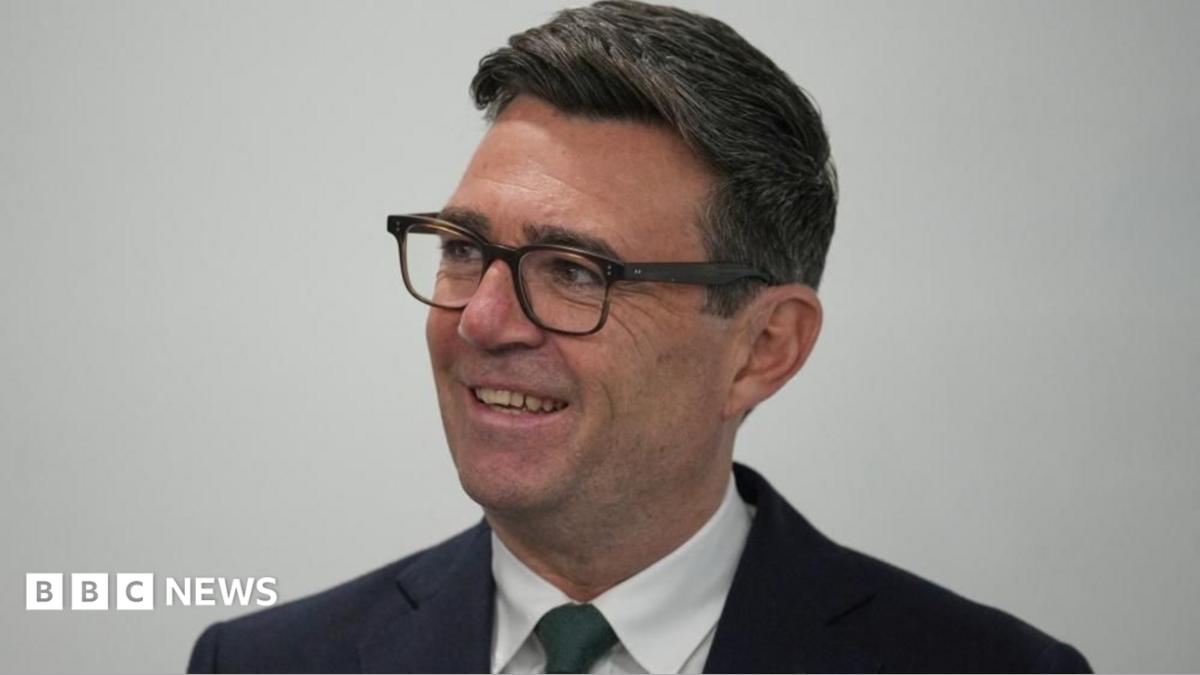
Prime Minister Andy Burnham spent his inaugural day at the newly‑opened No 10 North office in Manchester, marking a decisive shift of power from Westminster to the regions. Up to 300 civil servants are expected to join by next year.
Key Takeaways
- Burnham inaugurated No 10 North in Manchester
- Up to 300 civil servants will be based there by next year
- The move accelerates regional devolution of power
Andy Burnham chaired the National Economic Council meeting on his first working day at No 10 North, a cabinet committee created in 2008 to tackle UK‑wide economic challenges.
The prime minister warned, “For 40 years, power and resources have been sucked into the centre, leaving many communities forgotten.” He added, “The days of Whitehall resisting devolution are over, for good.”
Strategic decisions on devolution and local economic growth will now shift out of the Treasury, led by Chancellor John Healey, and Angela Rayner’s Ministry of Housing, Communities and Local Government, although both departments will retain input.
Burnham’s first week also saw a 20 % cut in business rates for pubs, social clubs and live‑music venues, a move criticised by Conservative leader Kemi Badenoch as “too small.”
Why This Matters
BozokMedia analysis shows that decentralising the prime minister’s office to Manchester could accelerate regional investment, reduce London‑centric policy bias, and set a precedent for future governments to follow.
“The emergence of No 10 North is a watershed moment for power redistribution across the UK,” says political analyst Dr. Sara Mannon.
Historical Background
Successive governments have aimed to move civil servants out of London; a 2022 target sought to cut 12,000 roles in the capital. Currently, only 19.6 % of civil servants are London‑based, while senior roles outside London account for 13.5 % compared with 34.7 % in the capital.
Frequently Asked Questions
Question 1: What is the long‑term plan for No 10 North?
Answer: A brand‑new government site in Manchester’s Ancoats district is slated for completion by 2032, making the branch permanent.
Question 2: How will this affect civil servants currently in Whitehall?
Answer: They will be offered relocation packages, gaining regional experience and contributing to a more geographically balanced bureaucracy.