Recent byelection losses for the BJP in Bankipur and Datia, alongside massive youth protests at Jantar Mantar, highlight the rising influence of Gen Z. This report explores how young voters are becoming a decisive force in upcoming state elections.
- The BJP's defeat in Bankipur and Datia is being closely linked to a shift in youth sentiment.
- Gen Z political preferences vary significantly across different Indian states.
- In West Bengal, a massive shift from AITC+ to BJP was observed among young voters between 2021 and 2026.
- Youth voter turnout is highly dependent on the specific political and regional context.
The political landscape in India is witnessing a seismic shift as the influence of the youth vote becomes increasingly undeniable. Recent byelection results in Bankipur and Datia, where the Bharatiya Janata Party (BJP) faced unexpected defeats, have sent shockwaves through the political establishment. Observers suggest that these losses may be a direct consequence of young voters turning away from the ruling party. Coupled with the recent protests at Jantar Mantar led by the Cockroach Janta Party (CJP), it is clear that 'Gen Z' is emerging as a potent political force.
With critical assembly elections looming in seven states—including heavyweights like Uttar Pradesh, Punjab, and Gujarat—the question on everyone's mind is: how much power does the youth vote actually hold? While it may be premature to claim they can single-handedly topple governments, their ability to influence margins is indisputable.
Why This Matters
BozokMedia analysis shows that the traditional 'one-size-fits-all' approach to youth mobilization is failing. Young voters are no longer a monolithic bloc; they are discerning, digitally connected, and highly sensitive to local governance and economic opportunities.
The youth vote is no longer a predictable bloc for established parties; it has become a volatile and highly influential variable in electoral mathematics.
Data from Lokniti-CSDS surveys reveals a complex picture of engagement. There is no uniform pattern of participation across India. For instance, while Bihar saw a low turnout of just 41% among the 18-21 age group, states like West Bengal and Tamil Nadu recorded massive engagement, with turnout figures soaring above 90%. This suggests that youth political participation is deeply intertwined with the local political climate.
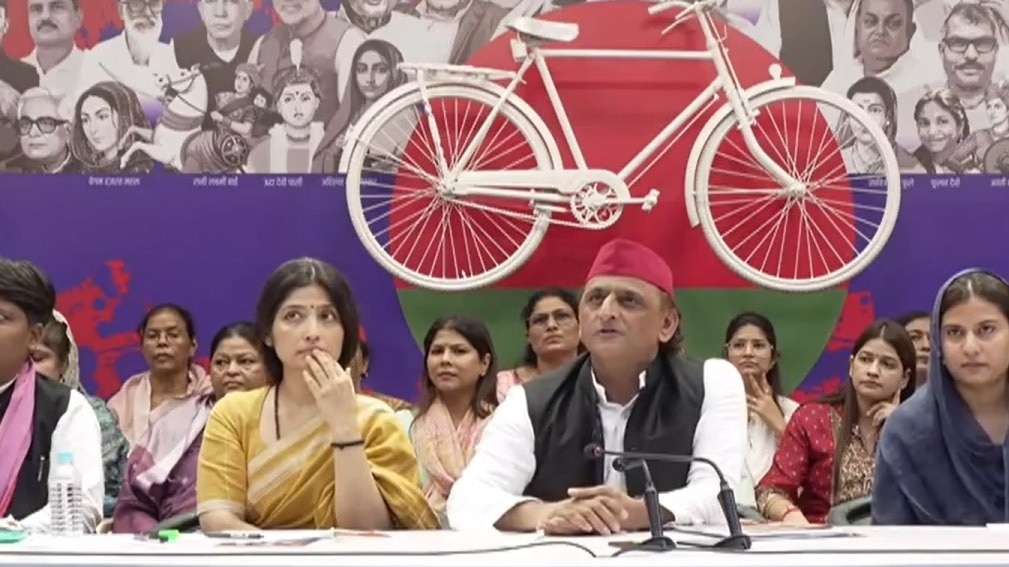
The volatility of youth preferences is most evident in West Bengal. Between 2021 and 2026, there was a dramatic swing in support among younger voters, moving away from the All India Trinamool Congress (AITC+) toward the BJP. In the 18-21 age bracket, BJP support jumped to 51%, compared to just 33% for AITC+. Similarly, in Uttar Pradesh, the Samajwadi Party (SP) has maintained a strong grip on the youth vote, providing a formidable challenge to the BJP's dominance.
Historical Background
Historically, youth in India have often been viewed through the lens of demographic dividends or potential unrest. However, the last decade has seen a transition where the youth have moved from being passive subjects of political discourse to active participants who shape the narrative through digital platforms and grassroots activism.
| State | Youth Turnout (18-21) | Key Political Trend |
|---|---|---|
| Bihar | 41% | Low engagement |
| West Bengal | 93% | High volatility/Shift to BJP |
| Madhya Pradesh | 89% | High participation |
Frequently Asked Questions
1. Is there a single 'Youth Vote' in India?
No. The youth vote is a collection of diverse age groups with varying preferences that change based on state-level politics.
2. Do young voters always support the winning side?
No. Data from Uttarakhand and Bihar shows that young voters frequently side with losing parties or opposition alliances.