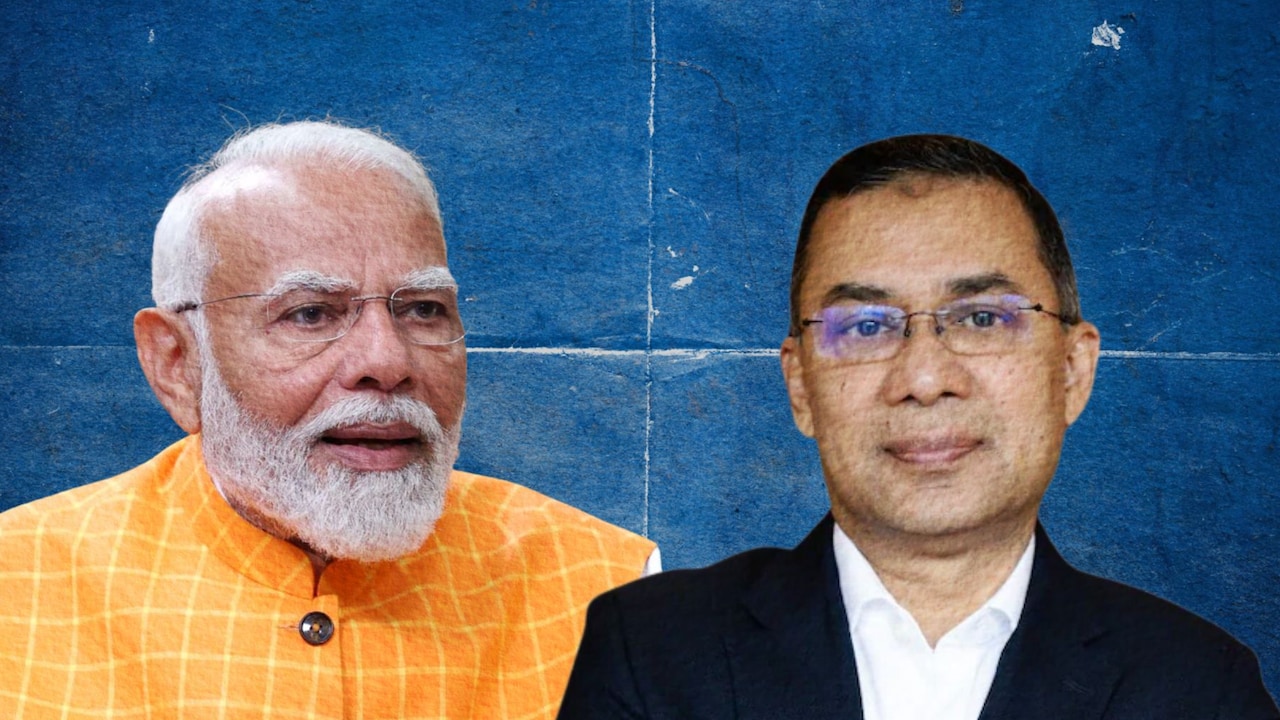
Bangladesh has handed the Tista hydro‑electric project to China, raising fresh tension in India‑Bangladesh strategic relations. Prime Minister Tariq Rahman is now prioritising Beijing’s economic support over New Delhi’s overtures.
Key Takeaways
- Bangladesh awarded the Tista project to China
- India‑Bangladesh strategic partnership faces new strain
- Tariq Rahman favors economic ties with Beijing
Bangladesh Prime Minister Tariq Rahman recently transferred the Tista hydro‑electric project from India to China, creating a diplomatic rift between the two neighbours. This move signals a decisive shift in Bangladesh’s foreign‑policy orientation.
The Tista project, previously slated for Indian collaboration, will now be financed through a US$7 billion soft loan from Beijing, underscoring Dhaka’s growing reliance on Chinese capital.
India had earlier invited Rahman to the BRICS summit, but the Bangladeshi leadership redirected the opportunity toward deeper Chinese cooperation, prompting New Delhi to reassess its South‑Asian outreach.
Historical Background
Since Bangladesh’s independence in 1971, India has been a key development partner, providing early economic aid and joint projects in water, energy, and trade. Over the past decade, however, China’s expanding Belt‑and‑Road investments have reshaped the regional balance.
Why This Matters
BozokMedia analysis shows that Bangladesh’s China‑first strategy not only reshapes the regional power equation but also limits India’s strategic foothold in South Asia. Understanding these long‑term implications is vital for policymakers.
"Bangladesh’s deepening economic partnership with China could erode India’s strategic influence in the region," says a South‑Asia security analyst.
| Parameter | India | China |
|---|---|---|
| Tista Project Funding | ₹9,000 crore, revenue‑share | ₹7,000 crore soft loan, 100% control |
Frequently Asked Questions
Q1: How will the Tista project affect India‑Bangladesh relations?
A: It adds an energy‑security dimension to existing strategic mistrust, potentially deepening the diplomatic gap.
Q2: What is the future of Bangladesh’s partnership with China?
A: If Beijing continues to offer favorable financing and infrastructure support, Dhaka is likely to deepen this alignment.