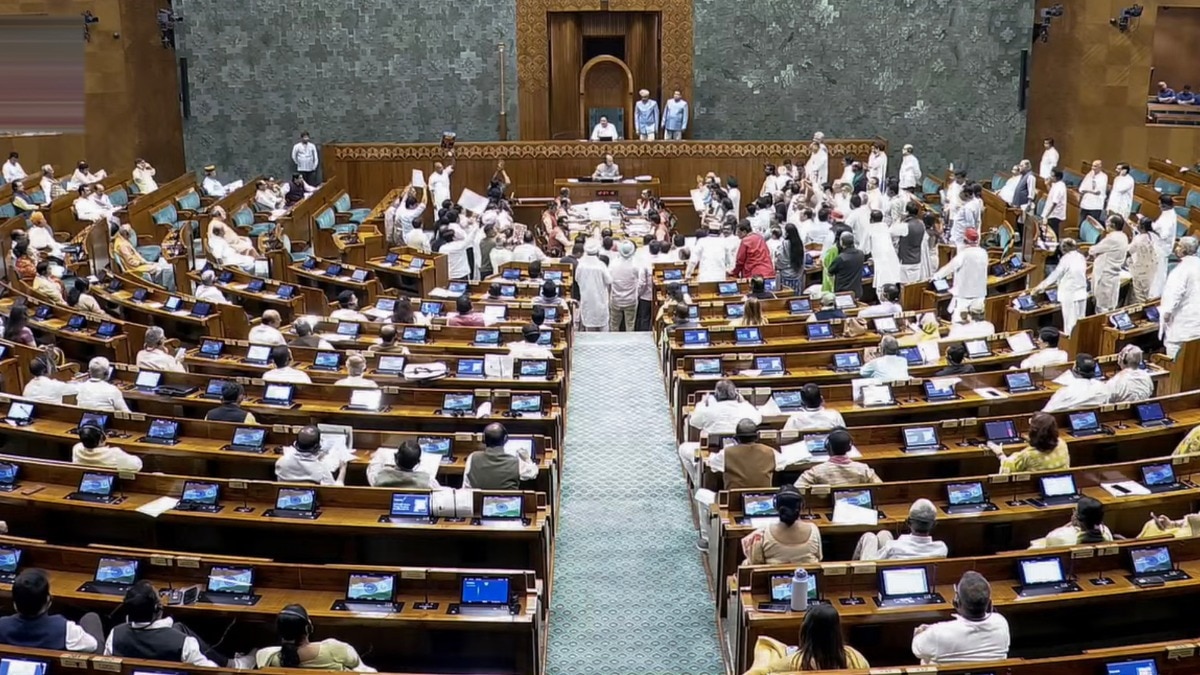
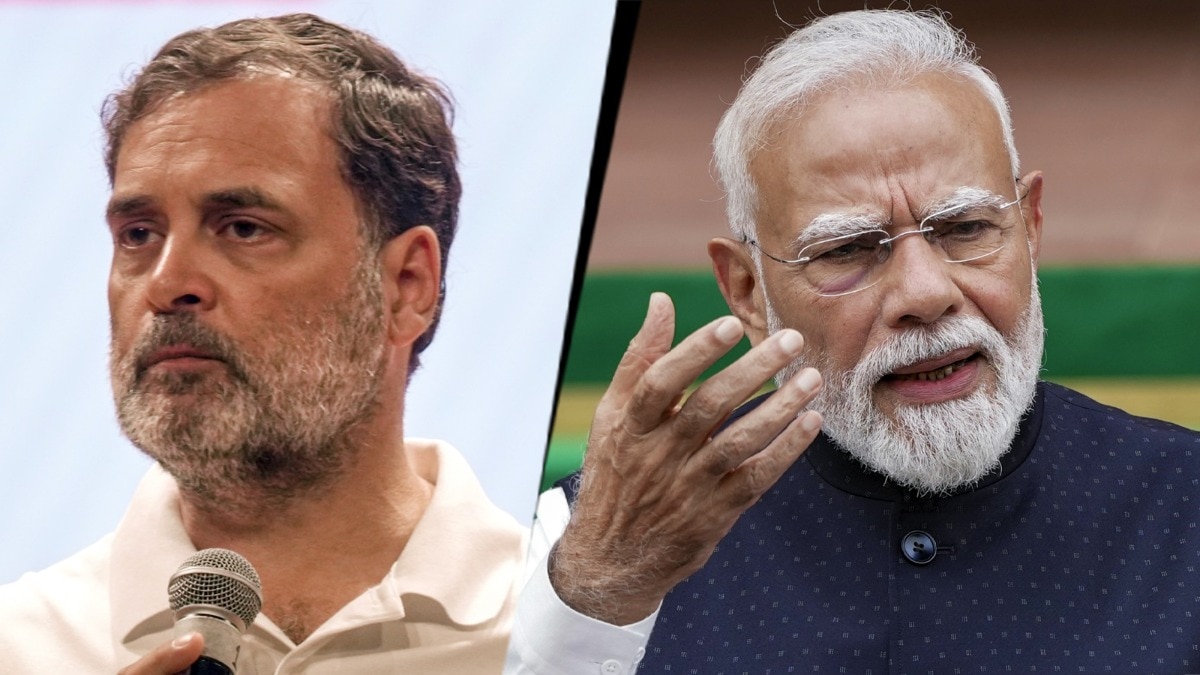
A new era of activism is unfolding as the Cockroach Janta Party and Gen Z leverage digital memes and social media to challenge the establishment, mirroring global protest trends.
Key Takeaways
- Gen Z is shifting from traditional rallies to digital-first protest strategies.
- Memes and social media are becoming primary tools for political expression.
- The shift is challenging the dominance of mainstream media in shaping narratives.
The landscape of political dissent in India is undergoing a radical transformation. The Cockroach Janta Party (CJP) and the broader Gen Z demographic are no longer relying solely on traditional street marches; instead, they are adopting a sophisticated, global 'protest playbook' that prioritizes digital engagement and viral content.
The Rise of Meme-Based Activism
Recent protests, including those surrounding the NEET examinations, have highlighted a significant shift in how young Indians express anger. Rather than conventional slogans, the youth are utilizing memes—a language that is inherently viral, satirical, and difficult to censor. This 'meme language' allows complex political grievances to be distilled into shareable, high-impact digital assets that resonate across social platforms.
Why This Matters
BozokMedia analysis shows that this evolution represents a fundamental shift in power dynamics. By 'televising their revolution' through social media, Gen Z is bypassing traditional gatekeepers like mainstream media. This decentralized form of activism makes it increasingly difficult for authorities to control the narrative or suppress the movement through traditional means.
Digital activism has transformed the smartphone from a communication device into a potent tool for systemic political disruption.
This movement is not confined to the streets of Jantar Mantar; it lives in Instagram reels, X (formerly Twitter) threads, and viral TikTok-style videos. This strategy flips the script on traditional political communication, forcing the establishment to react to a digital-first reality.
Historical Background
Historically, political movements in India have been defined by physical mobilization, pamphlets, and large-scale public gatherings. However, the digital revolution has democratized information, providing a global stage for localized grievances and allowing young activists to synchronize their efforts with global movements.
Frequently Asked Questions
1. What is the 'Gen Z playbook' in protests?
It involves using digital humor, memes, and social media algorithms to spread political messages rapidly.
2. How does this affect mainstream media?
It challenges their role as the primary source of news, as young people now get their information and political cues directly from social platforms.