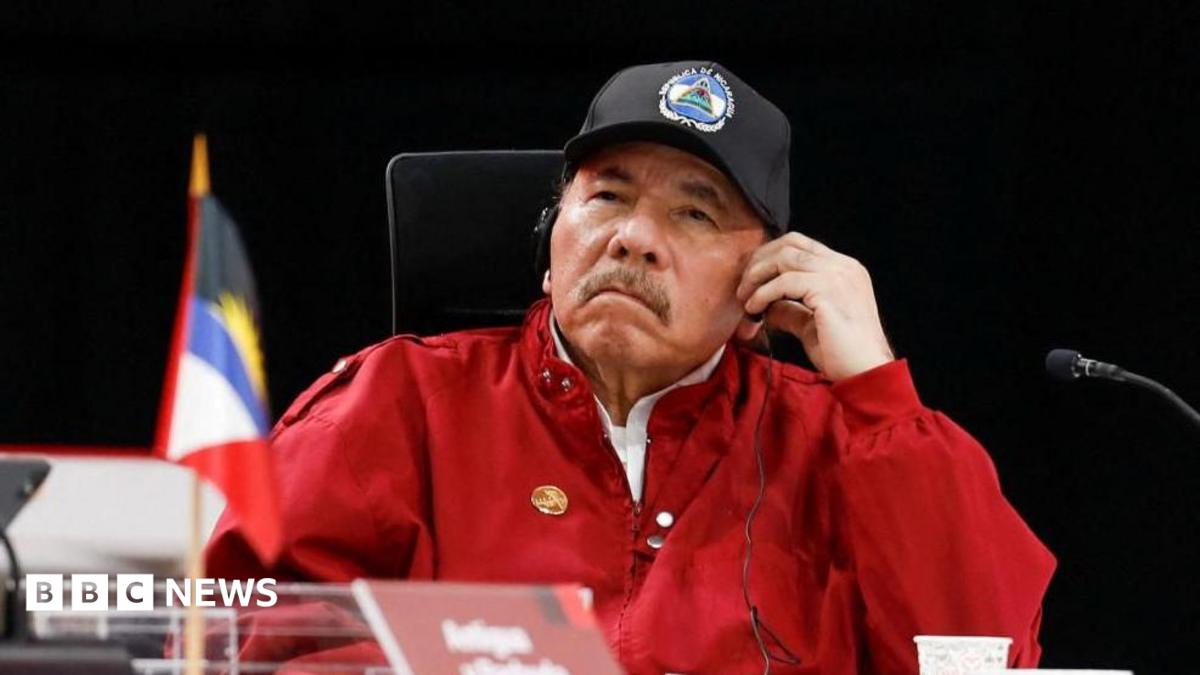
Dharmendra Prasad tendered his resignation after the NEET paper leak scandal, yet the Modi administration has not formally accepted it. The episode raises serious questions about the government's stability and accountability.
Key Takeaways
- Dharmendra Prasad, former Minister of State for Water Resources, resigned following the NEET paper leak controversy.
- The Modi government has not yet accepted the resignation, citing procedural norms.
- Analysts warn the incident could expose fault lines within the BJP’s governance model.
Amid the arrest of a female Congress district president in Varanasi and a heated backlash over the NEET paper leak, Dharmendra Prasad submitted his resignation, prompting media outlets to label it a "major political blow."
Formal acceptance of Prasad’s resignation remains pending. Officials argue that constitutional procedures for ministerial changes must be observed, which may extend the timeline.
Historical Background
In India’s post‑independence era, ministerial resignations have often signaled deep political turmoil. Notable examples include Rajiv Gandhi’s resignation in 1991 and several state‑level resignations ahead of the 2019 general elections, each affecting the central government’s public image.
Why This Matters
BozokMedia analysis shows that a high‑profile resignation amidst a scandal can erode public trust and provide opposition parties with ammunition, potentially reshaping upcoming electoral calculations.
"Scandals that trigger resignations are rare in Indian politics, and they test the resilience of any administration," says Dr. Ananya Sharma, senior political analyst.
Frequently Asked Questions
Has Prime Minister Narendra Modi signaled acceptance of the resignation? No official confirmation has been released yet, though insiders suggest the process may take time.
Will this episode affect the BJP’s prospects in upcoming elections? Experts believe that if the government manages the fallout adeptly, the electoral impact will be limited.