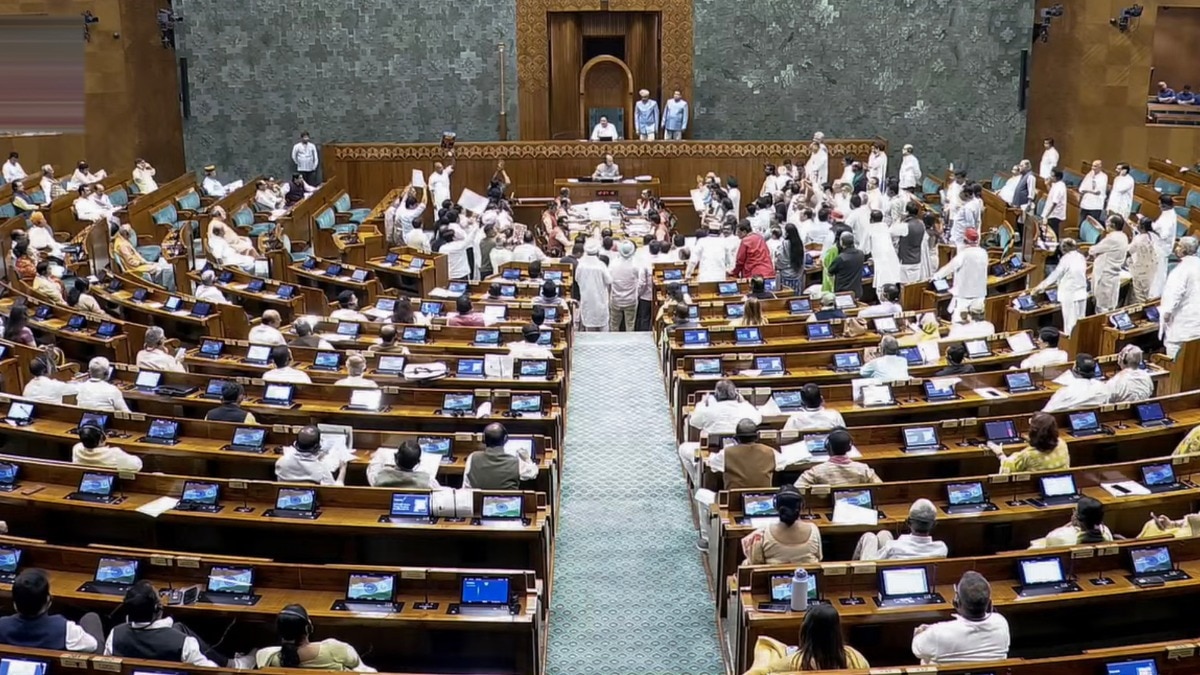
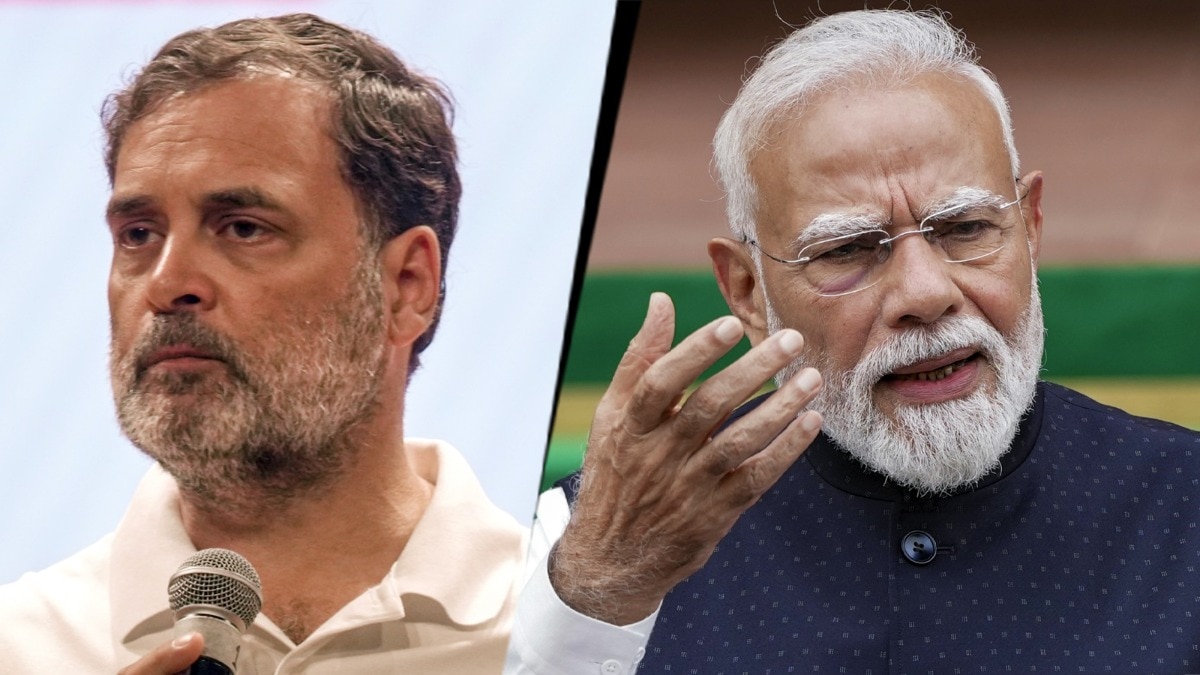
The ongoing student agitation over paper leaks transcends administrative failure, touching the core of India's social contract and the aspirations of its youth. It is a battle for meritocracy and institutional reliability.
Key Takeaways
- Paper leaks undermine the fundamental belief that merit leads to social mobility.
- The current movement cuts across caste, religion, and regional boundaries.
- The government has promised stringent laws and fast-track courts to restore order.
The recent wave of protests concerning NEET and recurring examination paper leaks has evolved into a profound battle of narratives. What began as a demand for administrative accountability has transformed into a larger debate regarding the integrity of India's national institutions.
Prime Minister Narendra Modi has attempted to de-escalate the situation by promising a stringent new law to combat leaks and the establishment of fast-track courts. Simultaneously, the political landscape has heated up, with the Opposition framing the crackdown on protesters as an issue of police brutality against the nation's future.
Why This Matters
BozokMedia analysis shows that this agitation is uniquely dangerous to the status quo because it targets the primary engine of social mobility in India: competitive examinations. Unlike previous protests that were often localized or identity-based, the examination crisis affects every demographic, cutting across caste, religion, and geography.
Every leaked examination paper doesn't just compromise a recruitment process; it violates the social contract that hard work and merit will be rewarded.
The optics of the movement are particularly challenging for the ruling dispensation. The protesters are not seasoned political activists but students in their late teens and twenties—the very demographic that the government's messaging often targets as the backbone of a 'New India.' Images of police confronting young aspirants holding national flags and identity cards create a powerful, sympathetic narrative that resonates deeply with parents across the political spectrum.
Historical Background
India has witnessed various large-scale protests over the last decade, including the farmers' movement and the anti-CAA protests. However, those movements often had specific regional or ideological focuses. The current student movement is distinct in its universality, as it strikes at the heart of the economic aspirations of millions of families nationwide.
Frequently Asked Questions
Question 1: What is the government's plan to address paper leaks?
Answer: The government has promised to implement strict laws and set up fast-track courts to ensure speedy justice for those involved in exam malpractice.
Question 2: Why is this protest different from previous ones?
Answer: It is unique because it is not confined to a specific region or community; it affects students from all walks of life across India.