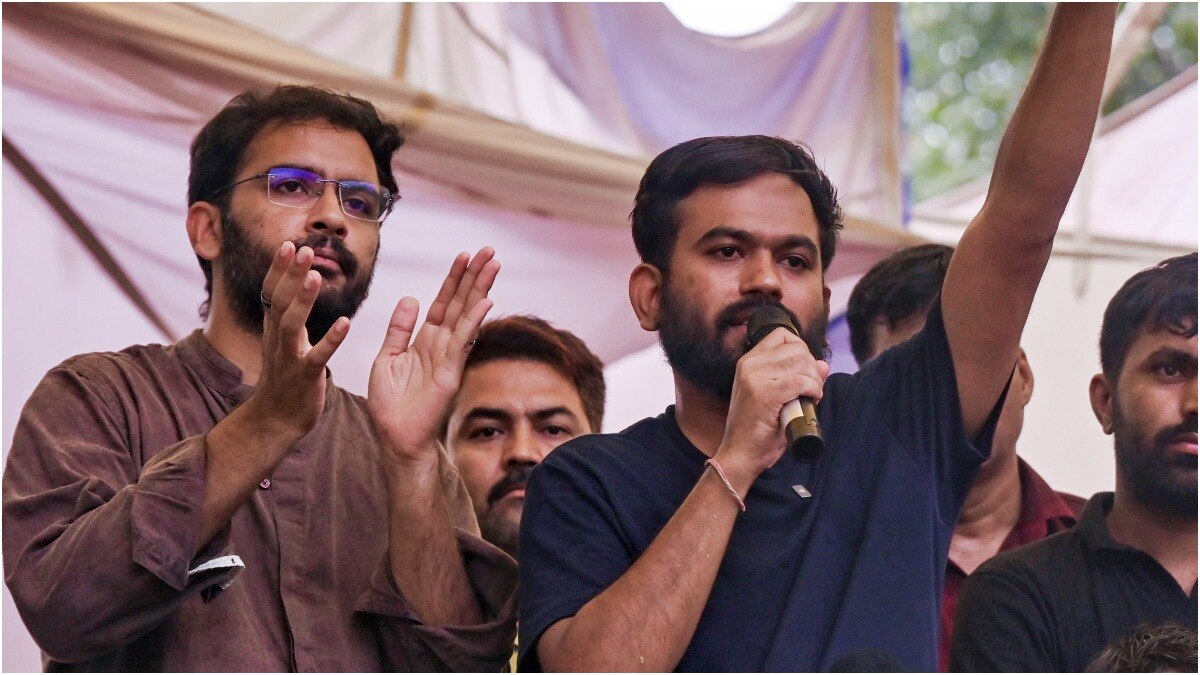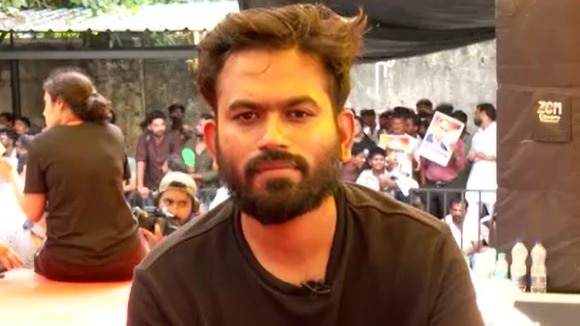
CJP leader Abhijeet Dipke has sparked a political debate by stating that Dharmendra Pradhan's resignation serves the long-term interests of the government.
Key Takeaways
- CJP leader Abhijeet Dipke supports Dharmendra Pradhan's resignation.
- The move is described as a strategic step for government stability.
- The statement suggests potential upcoming shifts in political leadership.
In a significant political development, Abhijeet Dipke, a prominent figure from CJP, has weighed in on the resignation of Union Minister Dharmendra Pradhan. Dipke asserted that the decision to step down is not a setback but is actually in the best interest of the administration.
Strategic Shifts in Governance
According to Dipke, high-level resignations are often catalysts for administrative renewal. He emphasized that Pradhan's departure should be viewed through the lens of long-term governance goals rather than immediate political loss.
Why This Matters
BozokMedia analysis shows that such high-profile endorsements of resignations often precede major cabinet reshuffles. When key political figures frame an exit as a 'strategic benefit,' it usually indicates a planned transition of power or a pivot in policy direction.
"Pradhan's resignation is a calculated move aimed at institutional strengthening rather than individual politics."
Historical Background: Throughout India's political history, ministerial changes have frequently been used to re-energize the ruling party or to address internal party dynamics, ensuring the government remains agile in the face of evolving challenges.
Frequently Asked Questions
1. What is the context of Abhijeet Dipke's statement?
He is providing a political justification for Dharmendra Pradhan's resignation, framing it as a positive move.
2. Does this imply a cabinet reshuffle?
While not confirmed, such statements often hint at upcoming structural changes within the government.