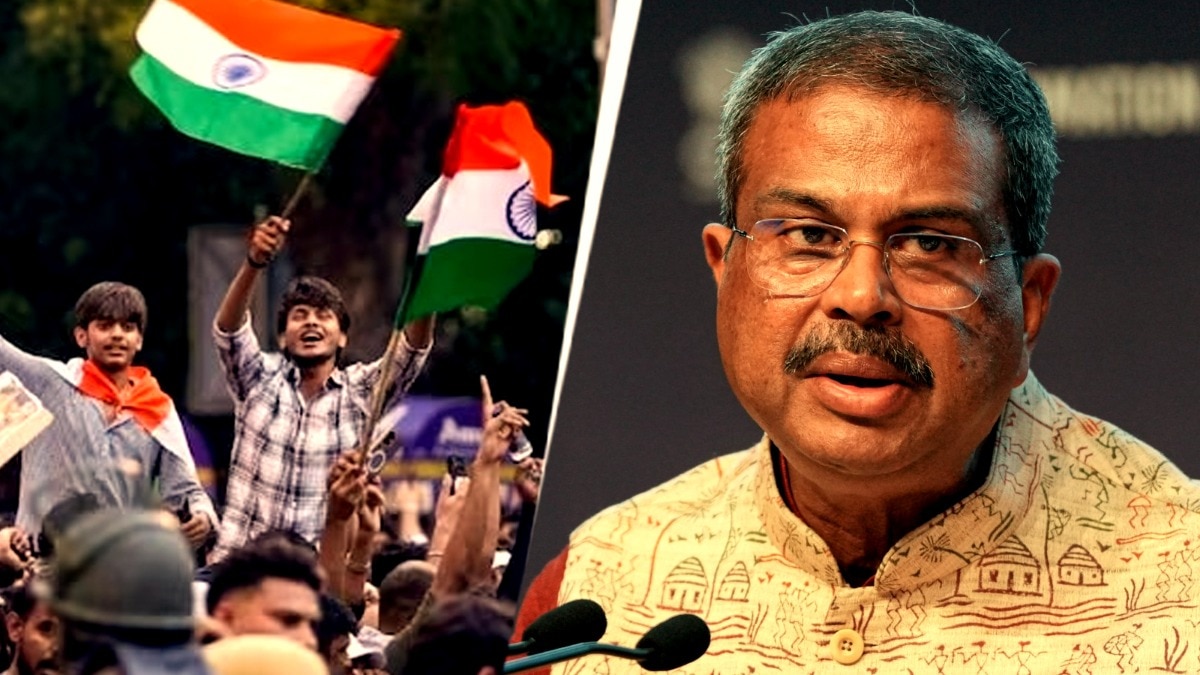
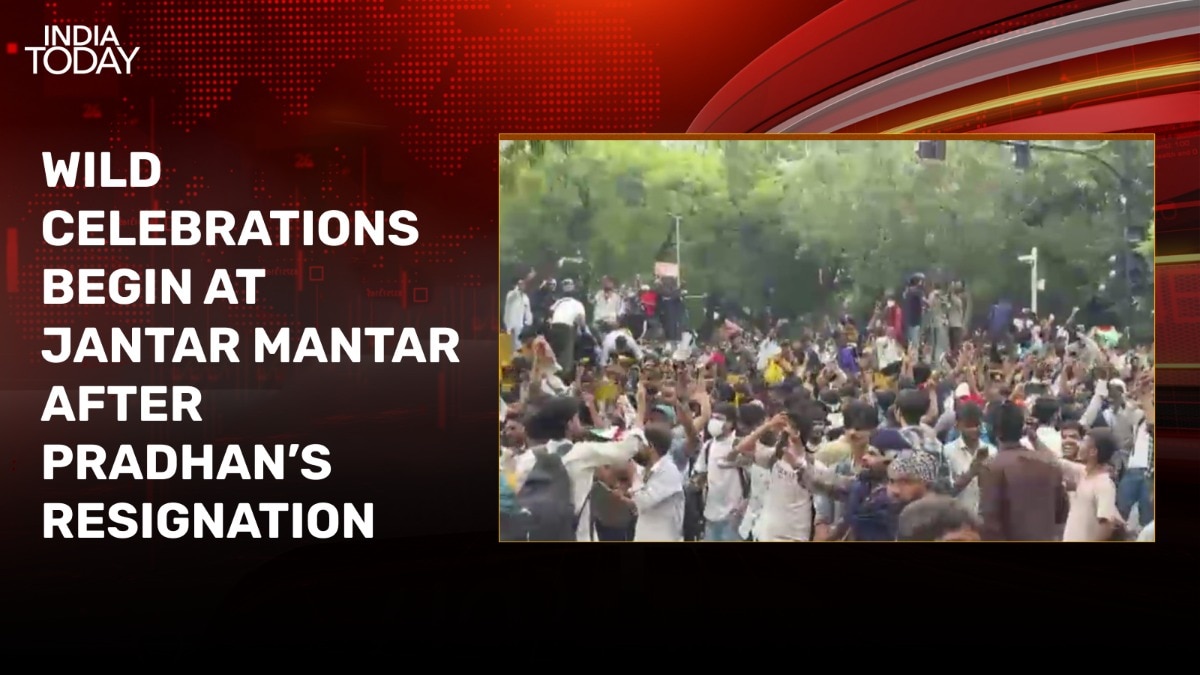
The Calcutta High Court has denied permission for a solidarity rally to be organized by the TMC student wing in Kolkata. The rally was intended to show support for protesters at Jantar Mantar in Delhi.
Key Takeaways
- Calcutta High Court dismissed the plea for a TMC student wing rally.
- The rally aimed to support ongoing protests at Jantar Mantar, Delhi.
- The decision comes amidst heightened political tension and recent arrests of TMC leaders.
In a significant legal development, the Calcutta High Court has declined the plea filed by the Trinamool Congress (TMC) student wing seeking permission to hold a solidarity rally in Kolkata. The rally was proposed to demonstrate support for the protesters currently gathering at Jantar Mantar in New Delhi.
Legal Deadlock and Political Unrest
The court observed that the current situation does not warrant the granting of permission for such a large-scale gathering. This ruling follows a series of contentious events, including the recent arrests of TMC leaders for gathering in support of young protesters in Delhi, though they were subsequently granted bail.
Why This Matters
BozokMedia analysis shows that this judicial intervention highlights the growing friction between political mobilization and the maintenance of public order in West Bengal. The court's refusal to grant permission underscores the judiciary's role in regulating political demonstrations to prevent potential law-and-order escalations.
The judiciary often acts as a stabilizer when political fervor threatens to disrupt the delicate balance of public peace.
The political landscape in the state remains volatile, especially following the arrest of Kunal Ghosh during a NEET protest and the subsequent criticism of the Kolkata Police by Mamata Banerjee.
Historical Background
Jantar Mantar has long served as the epicenter for civil rights movements and political protests in India. As national issues gain momentum, regional political wings often attempt to mirror these protests in their respective states, frequently leading to legal battles over the right to assemble versus the state's duty to maintain order.
Frequently Asked Questions
1. Why did the High Court deny the rally?
The court cited the prevailing situation and the need to maintain public order as reasons for declining the permission.
2. What was the purpose of the TMC rally?
The rally was intended to show solidarity with the activists protesting at Jantar Mantar in Delhi.