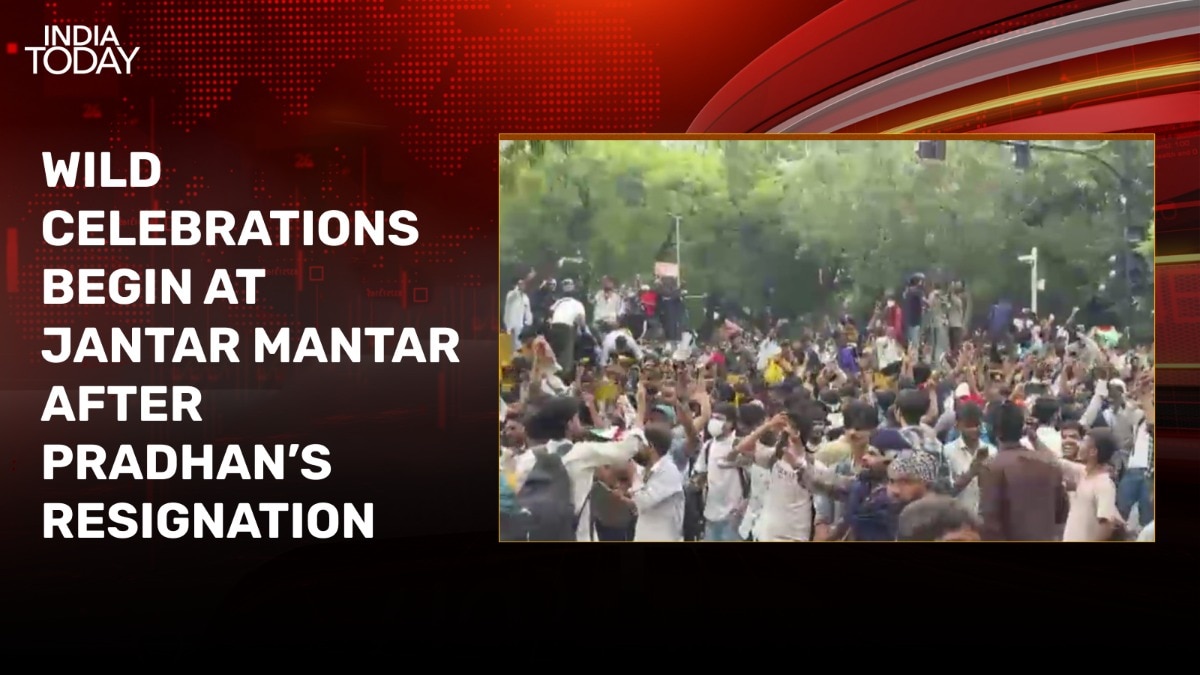
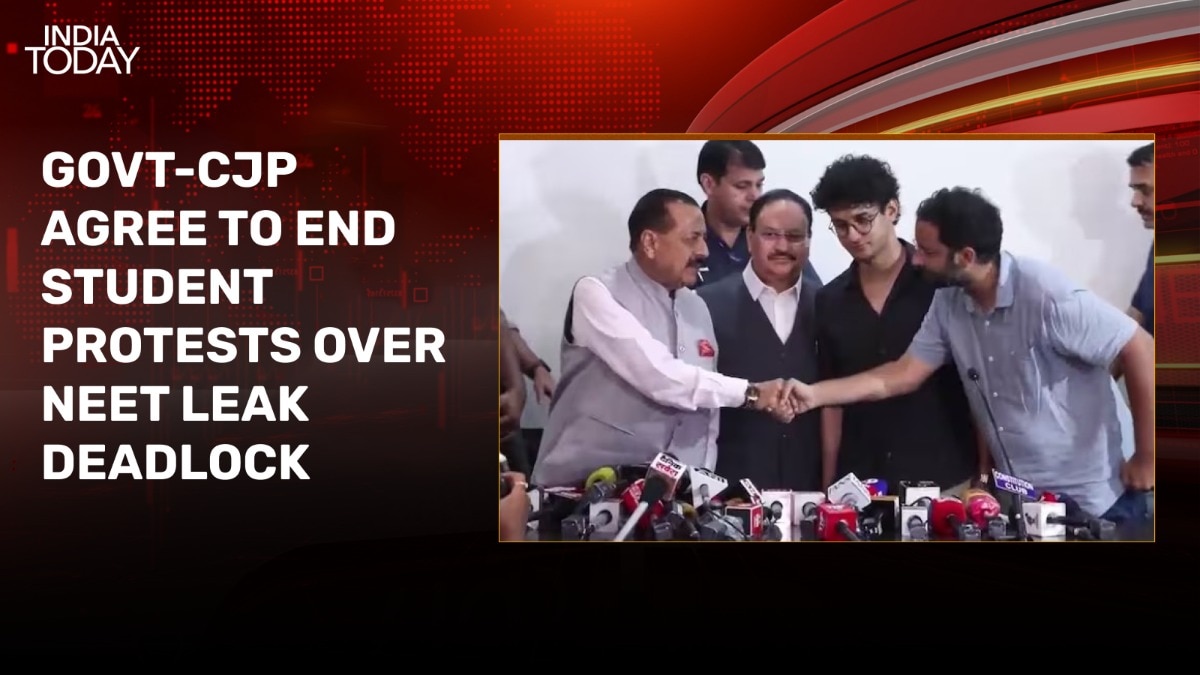
Dharmendra Pradhan's resignation has been labeled a strategic move by the CJP. The spokesperson warned that protests and clashes with police will intensify, signaling a potential shift in India's youth activism landscape.
Key Takeaways
- Dharmendra Pradhan's resignation seen as a tactical first step
- CJP promises continued action
- Police‑protester tensions are expected to rise
Background of the Resignation
In mid‑June, Dharmendra Pradhan stepped down from his post, a move described by many analysts as "the first stair" toward broader political change. The decision reflects widespread discontent, especially among the country's youth.
Immediately, the CJP spokesperson declared, "We will not stop after the resignation; clashes with police will continue." This statement underscores a shift toward a more aggressive protest strategy.
Why This Matters
BozokMedia analysis shows that the resignation could signal a shift from symbolic protests to concrete political demands, potentially reshaping the upcoming electoral landscape.
"Pradhan's resignation is a warning bell; the government must address the youth's grievances seriously," said a political science professor.
Historically, youth movements have sparked major societal transformations—from the 1970s student uprisings to the 2020 climate strikes—often forcing policymakers to act.
Frequently Asked Questions
Question 1: Will Pradhan's resignation weaken the movement?
Answer: Experts believe it may open a new direction rather than diminish momentum.
Question 2: How long could clashes with police continue?
Answer: As long as the government does not engage in dialogue, tensions are likely to persist.