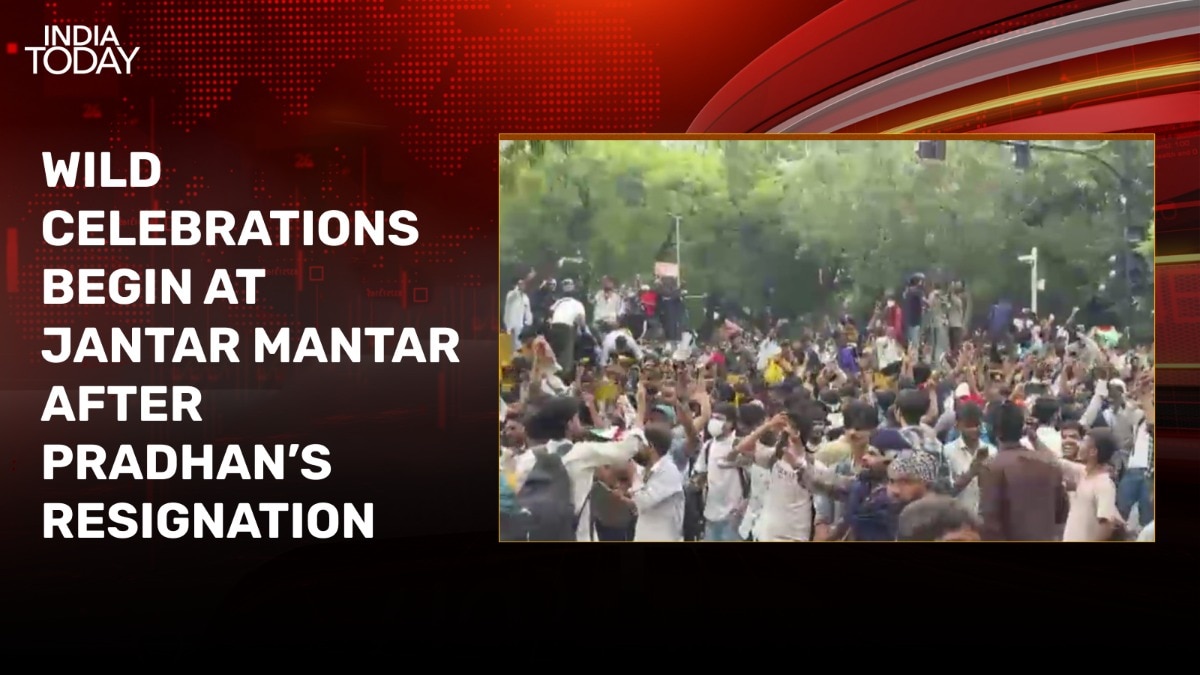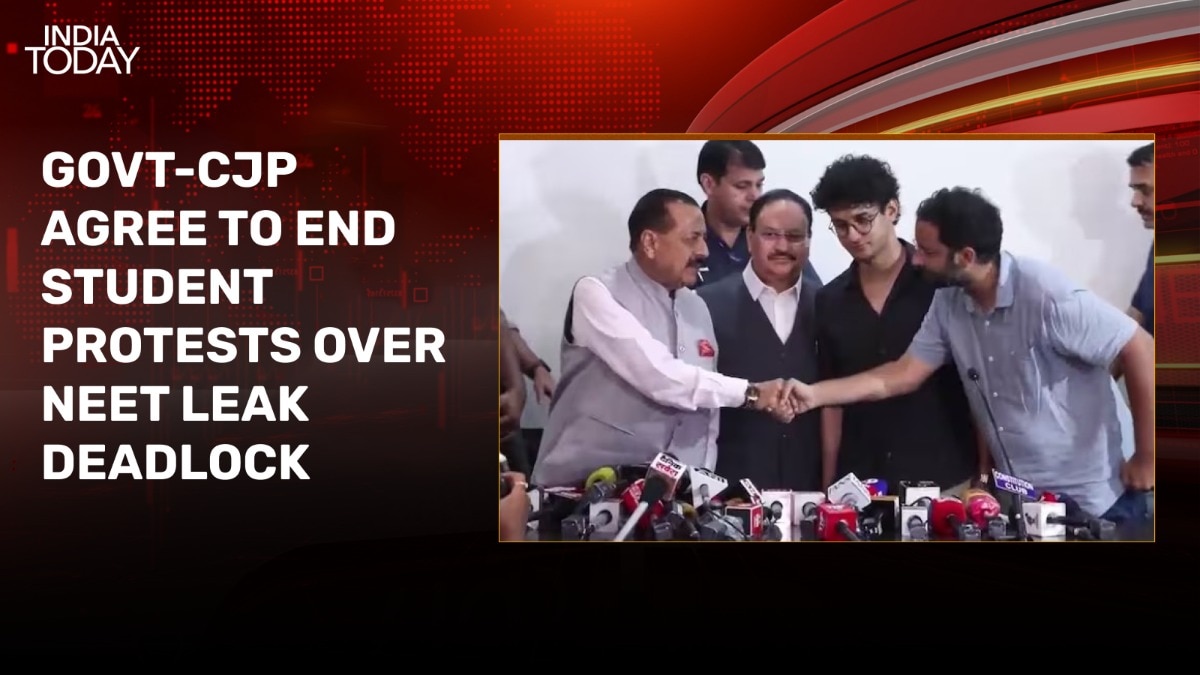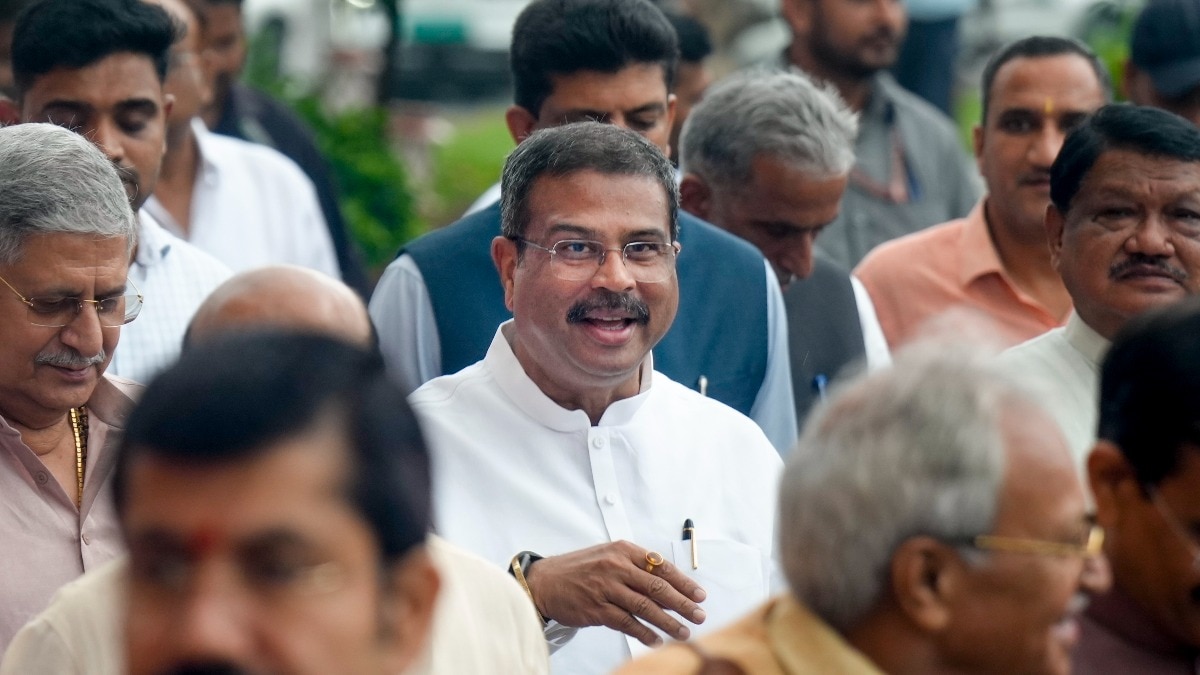
Delaying Dharmendra Pradhan’s resignation was a calculated move by the BJP to safeguard its ambitious parliamentary agenda, especially the delimitation bill. The party chose a small sacrifice to secure larger future victories.
Key Takeaways
- Pradhan’s resignation seen as obstacle to BJP’s future parliamentary goals
- Push to introduce the delimitation bill in the monsoon session
- Mass protests at Jantar Mantar and forceful police response
Background
Union Education Minister Dharmendra Pradhan faced mounting calls for his resignation after the NEET‑UG paper leak and the CBSE online marking fiasco. Opposition parties rallied at Jantar Mantar, while the BJP hesitated to accept his exit, fearing a precedent.
As the monsoon session commenced, political tension escalated. The Congress and other opposition groups aimed to stall Parliament, whereas the BJP focused on advancing its flagship legislation, notably the delimitation bill.
Why This Matters
BozokMedia analysis shows that Pradhan’s departure is a minor yet essential sacrifice, clearing the path for the party’s long‑term goal of reshaping electoral constituencies. The move underscores the BJP’s willingness to prioritize future gains over immediate optics.
"Pradhan’s resignation is largely symbolic, granting the BJP the freedom to push critical bills without distraction." – Political analyst Dr. Anjali Mishra
Frequently Asked Questions
Question 1: Will Pradhan’s resignation truly impact the BJP’s larger agenda?
Answer: Yes, it is a tactical step aimed at fast‑tracking key bills like the delimitation amendment.
Question 2: How is the opposition reacting to this development?
Answer: Opposition parties criticize it as a shirking of democratic responsibility and a dismissal of public pressure.