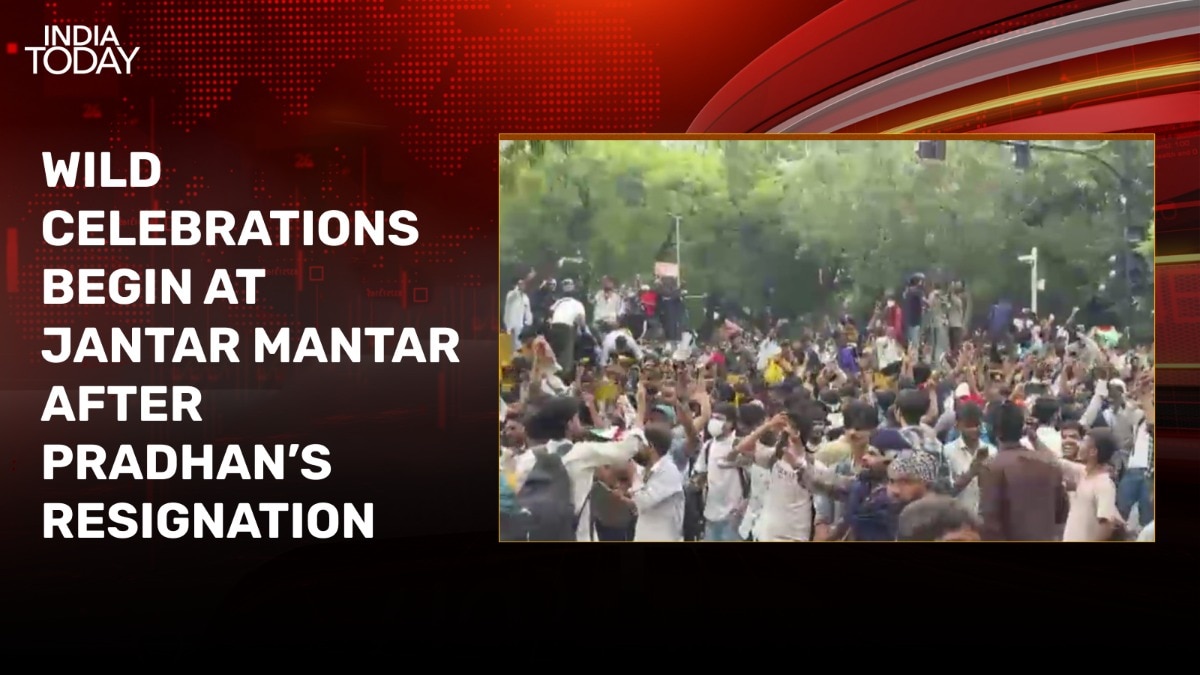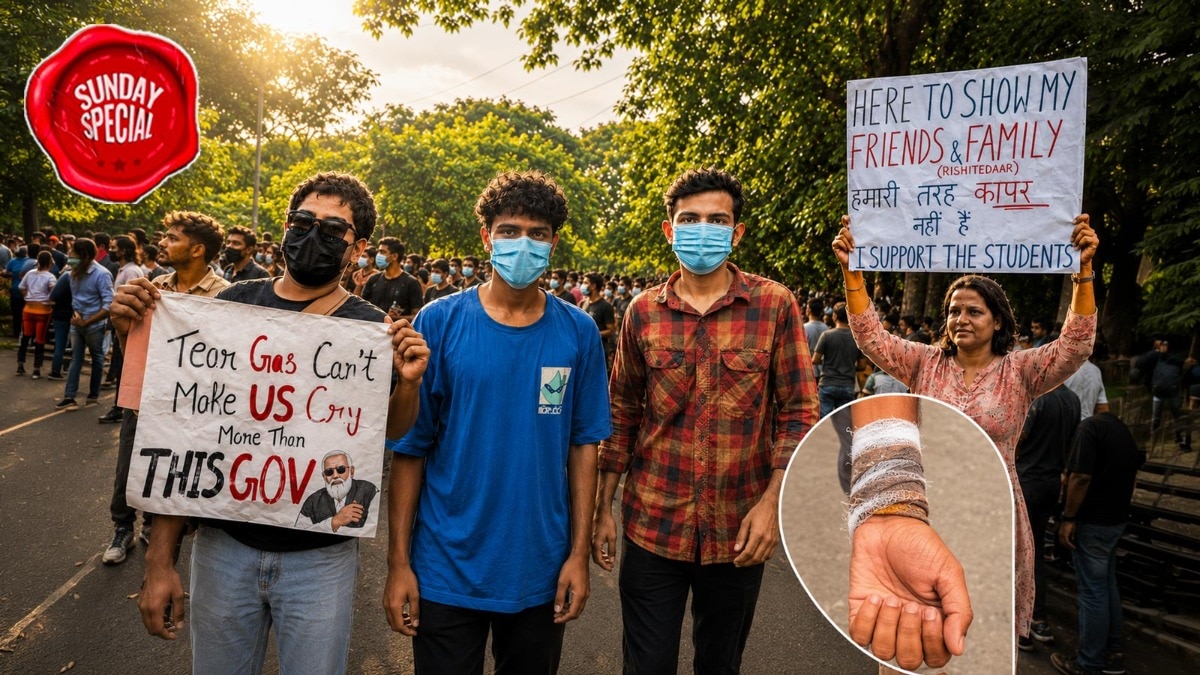
The newest generation of India is stepping out of the digital realm and into the streets. Gen Z protesters are overcoming intense domestic ideological conflicts to make their voices heard at Jantar Mantar.
Key Takeaways
- Gen Z is actively engaging in street politics, transcending digital activism.
- Protesters reported significant ideological clashes within their own households.
- The movement marks a shift from traditional political mobilization to youth-led advocacy.
A significant demographic shift is unfolding in the heart of Delhi. Jantar Mantar, a site synonymous with democratic protest, has witnessed a surge of Gen Z activists. This generation, often characterized by their digital fluency, is now translating online discourse into physical mobilization.
What makes this movement unique is the internal struggle many participants faced. Many young protesters recounted how they had to navigate intense ideological friction within their own families—often clashing with relatives who adhere to staunchly different political views. Despite the risk of domestic alienation, these youths chose to stand their ground on the streets.
Why This Matters
BozokMedia analysis shows that this represents a profound evolution in Indian political sociology. We are witnessing the breakdown of the 'monolithic family ideology.' As young people gain access to diverse global perspectives via the internet, the traditional authority of the household over political thought is being challenged, leading to a new era of individualistic political identity.
The rebellion of Gen Z is not just against policies, but against the domestic silence imposed by traditional political allegiances.
Historically, Indian student movements have been the vanguard of change. However, the current wave is distinct because it is fueled by a sense of individual autonomy that refuses to be silenced by familial pressure, making the struggle both public and deeply personal.
Frequently Asked Questions
1. What is the primary motivation behind these protests?
The protests are driven by a desire for social justice and a critique of current governance models.
2. How is Gen Z different from previous generations of protesters?
They utilize a unique blend of digital organization and a refusal to conform to traditional family political norms.