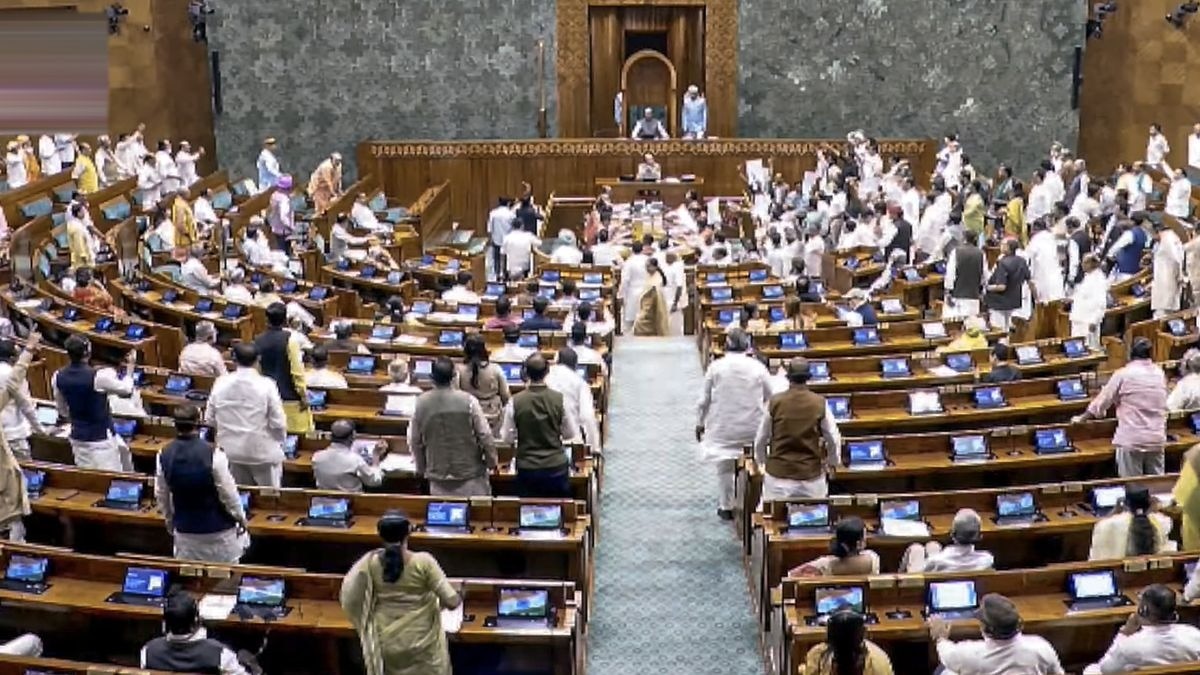
During the Monsoon Session 2026, the government introduced a stricter anti-paper leak bill while the opposition pressed for an urgent discussion on alleged force used against NEET protestors.
Key Takeaways
- Government introduces Public Examinations (Prevention of Unfair Means) Amendment Bill 2026
- Opposition seeks urgent debate on alleged violence against NEET protesters
- Proposal includes fast‑track courts and heightened penalties
In the ongoing Monsoon Session, the Centre is set to table the Public Examinations (Prevention of Unfair Means) Amendment Bill, 2026 in the Lok Sabha, aiming to curb paper leaks in national exams. The draft mandates fast‑track courts in every state, with investigations to be concluded within two months.
Simultaneously, the opposition has intensified its criticism over the handling of the NEET paper‑leak protests. Congress leader Rahul Gandhi wrote to Home Minister Amit Shah demanding accountability, while Trinamool Congress MP Sagarika Ghose moved a notice to suspend the Rajya Sabha business for an urgent discussion on alleged excessive force.
Why This Matters
BozokMedia analysis shows that the legislation could redefine the balance between exam security and civil liberties, setting a precedent for future government responses to student activism. The outcome will impact not only the integrity of examinations but also the broader right to peaceful protest.
"Stricter anti‑leak laws are essential, but they become counterproductive if they suppress legitimate dissent and freedom of expression." – Prof. Aruna Singh, Legal Scholar
Frequently Asked Questions
Question 1: What penalties does the new bill propose?
Answer: Up to 10 years imprisonment and fines up to ₹50 lakh for individuals, with organized syndicates facing fines up to ₹10 crore.
Question 2: How is the opposition planning to address the issue?
Answer: By moving a notice in the Rajya Sabha to suspend business and demanding a written response from the Home Ministry.