While India's Gen Z can vote at 18 and work in bureaucracy by 21, they face a legal barrier to contesting elections until age 25. We explore the implications of this age gap.
Key Takeaways
- India allows voting at 18, but electoral eligibility begins at 25.
- Gen Z is highly active in academics and bureaucracy but sidelined in direct legislation.
- The debate centers on whether current age limits hinder political modernization.
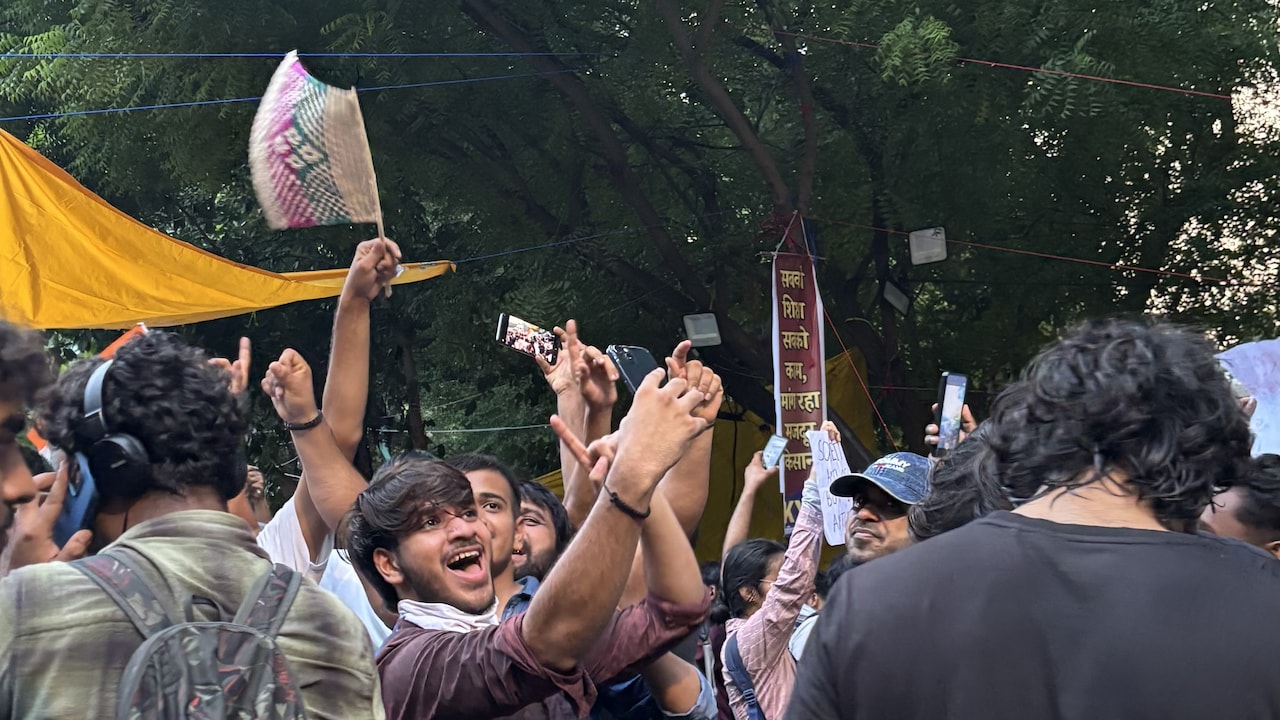
India's Gen Z is a powerhouse of potential. They are eligible to cast their votes at 18, can complete their higher education shortly after, and are even qualified to hold significant bureaucratic positions by the age of 21. However, a glaring contradiction exists in the democratic process: they are legally barred from contesting elections until they reach the age of 25.
The recent political discourse surrounding leaders like Dharmendra Pradhan and the shifting dynamics of leadership has brought the 'age problem' to the forefront. This gap creates a scenario where the demographic most impacted by long-term policy decisions has the least direct say in making them.
Why This Matters
BozokMedia analysis shows that as India transitions into a digital-first, youth-driven economy, the disconnect between the workforce and the legislature could lead to policy stagnation. A leadership that does not reflect the demographic reality of the nation risks becoming disconnected from the aspirations of its citizens.
The legislative age gap is not just a number; it is a structural barrier to the infusion of fresh, tech-savvy perspectives into governance.
Historical Background: The age requirements for Indian legislators were established to ensure a level of maturity and experience in the decision-making process. However, as the speed of global change accelerates, the definition of 'maturity' is being challenged by the competence and awareness of the younger generation.
Frequently Asked Questions
Question 1: At what age can an Indian citizen contest Lok Sabha elections?
Answer: An Indian citizen must be at least 25 years old to contest for the Lok Sabha.
Question 2: Is there a difference between voting age and contesting age?
Answer: Yes, the voting age is 18, whereas the age to contest elections is significantly higher.