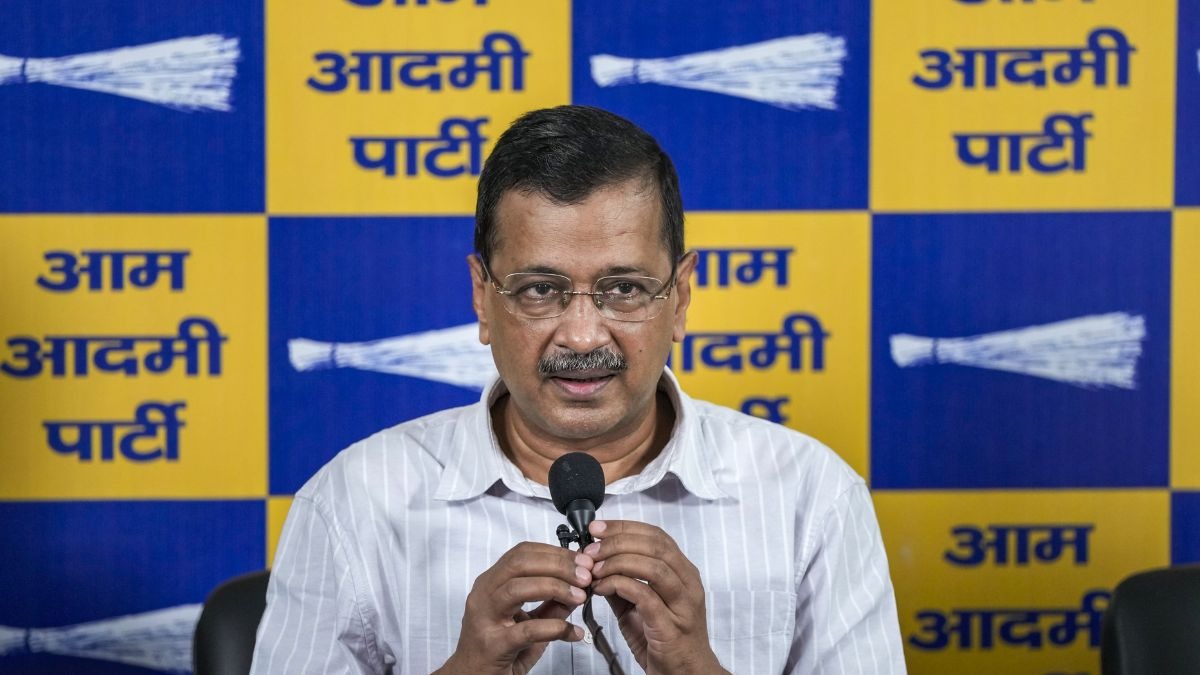
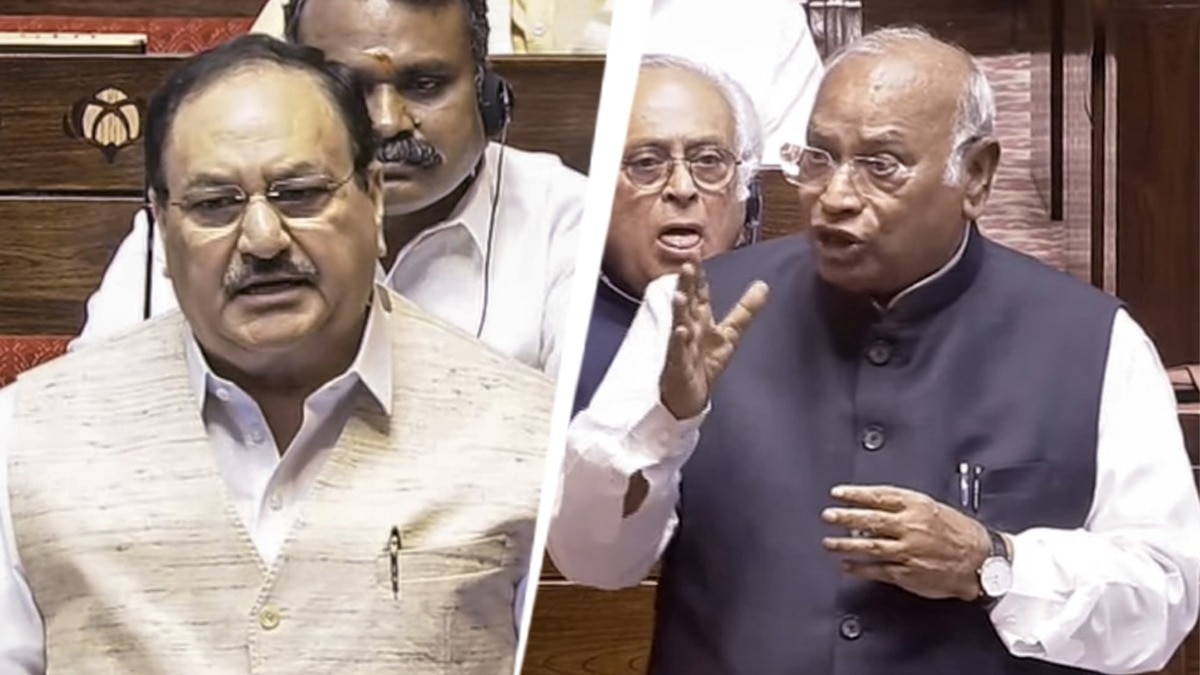
In a significant development during the 9th day of the Monsoon Session, the Lok Sabha has passed the National Honour (Amendment) Bill, 2026, following its passage in the Rajya Sabha. The session witnessed intense protests from the opposition.
Key Takeaways
- The Vande Mataram Bill passed the Lok Sabha after being cleared by the Rajya Sabha.
- Opposition members staged heavy protests during the proceedings.
- A stringent law to curb paper leaks, including heavy fines, was also passed.
The ninth day of the ongoing Parliament Monsoon Session proved to be a landmark day for the ruling government. Following its successful passage in the Rajya Sabha, the 'National Honour (Amendment) Bill, 2026'—popularly known as the Vande Mataram Bill—was passed in the Lok Sabha today. The bill aims to protect the sanctity of national symbols and prevent acts that insult national pride.
Opposition Protests and Chaos in the House
The passage of the bill was not without controversy. Opposition parties staged intense protests, raising concerns regarding the implications of the new amendment. Despite the heavy ruckus and disruptions caused by the opposition, the government maintained its stance, asserting that the bill is crucial for safeguarding India's cultural and national integrity.
Why This Matters: BozokMedia Analysis
BozokMedia analysis shows that the passage of this bill reflects a strategic move to consolidate national identity through legislation. By criminalizing the insult to national symbols, the government is setting a legal precedent that connects legislative action with patriotic sentiment, which could have long-term political and social implications.
"This legislation marks a decisive step toward legally safeguarding national sentiments, though the clarity of its application will be vital."
In addition to the Vande Mataram Bill, the Lok Sabha also passed a rigorous law to combat paper leaks. This new legislation introduces severe penalties, including up to 7 years of imprisonment and fines reaching as high as ₹10 crore, aimed at protecting the sanctity of competitive examinations.
Historical Background
The song 'Vande Mataram' has been a cornerstone of India's struggle for independence. Historically, national symbols have been central to the identity of the Indian state, and legislative measures to protect them have been a recurring theme in Indian parliamentary history.
Frequently Asked Questions
1. What is the primary objective of the Vande Mataram Bill?
The bill seeks to prevent the insult of national pride and symbols and to penalize those responsible.
2. What are the penalties under the new paper leak law?
The law prescribes up to 7 years of imprisonment and fines of up to ₹10 crore.