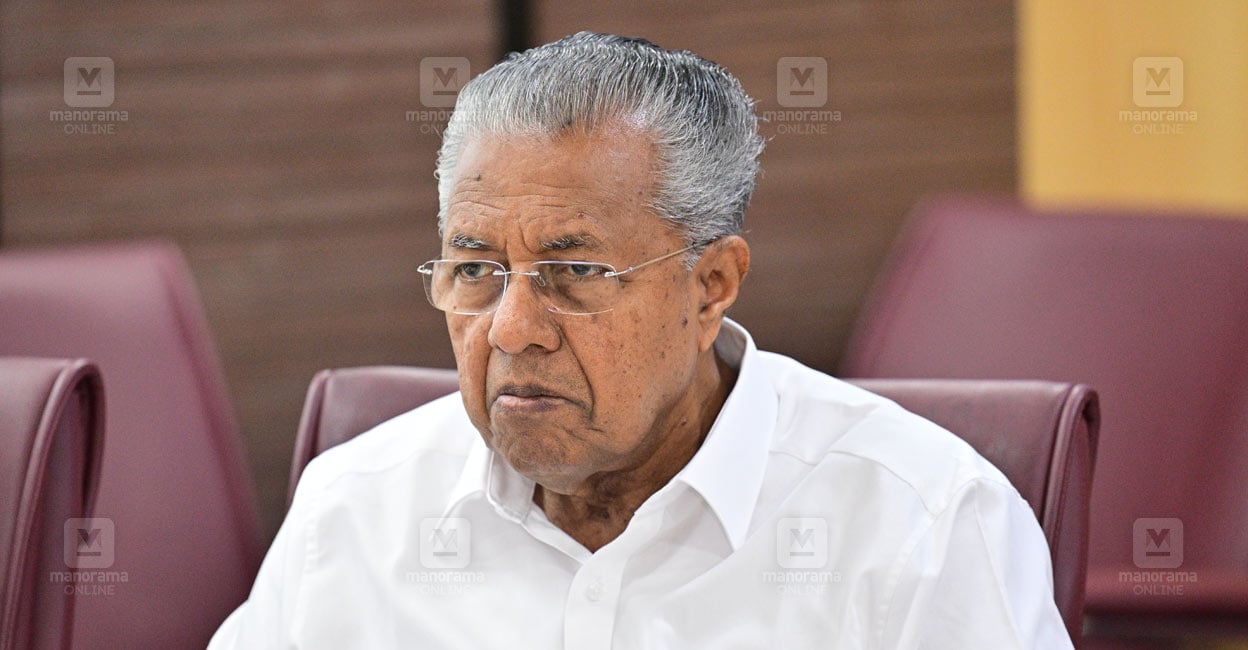
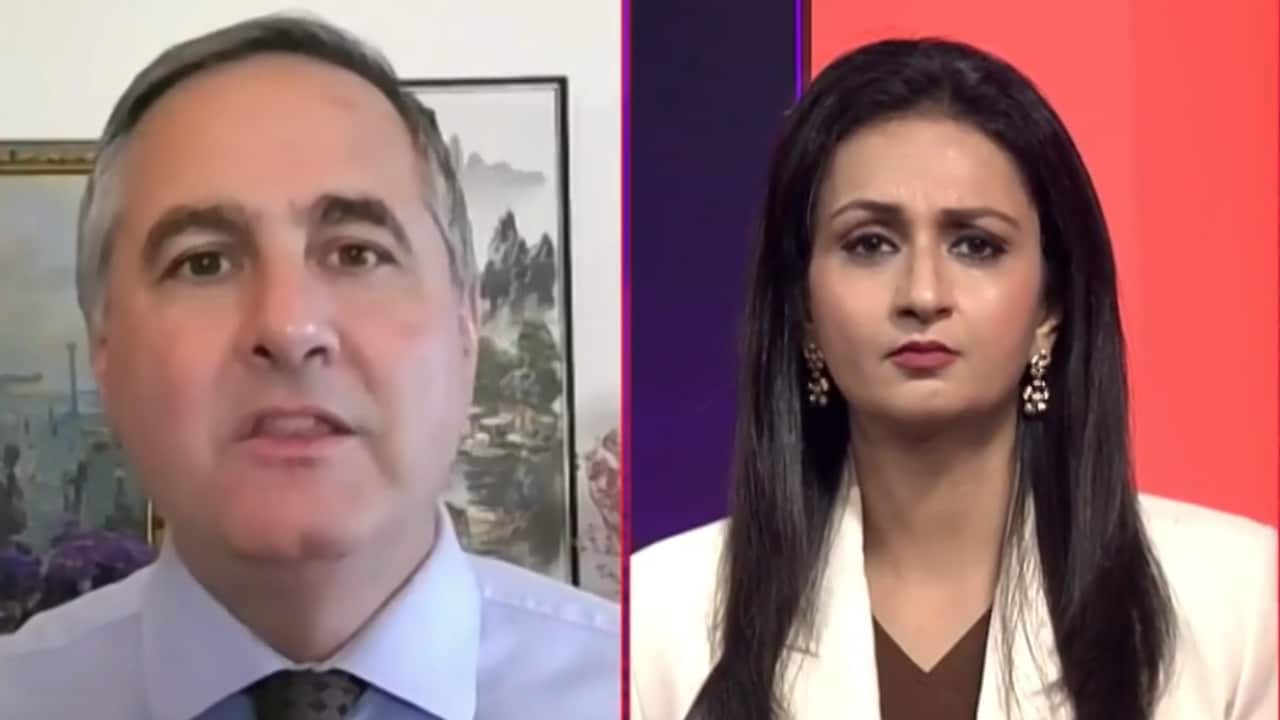
The FCC Chairman has stood firm against criticism regarding actions taken against ABC, asserting that broadcasters hold a fundamental duty to operate in the public interest.
Key Takeaways
- FCC Chairman defended regulatory measures taken against ABC.
- Broadcasters are legally obligated to serve the 'public interest.'
- The decision emphasizes accountability in mass media communications.
The Chairman of the Federal Communications Commission (FCC) has issued a strong defense of recent regulatory actions involving ABC. In a decisive move, the Chairman reiterated that broadcast licenses are granted with the explicit expectation that media entities prioritize the public interest above all else.
The Mandate of Accountability
According to the Chairman, the authority wielded by broadcasters comes with significant social responsibilities. The defense suggests that when a broadcaster fails to meet the standards set by federal regulations, the FCC is duty-bound to intervene to protect the integrity of the airwaves and the information consumed by the public.
Why This Matters: BozokMedia Analysis
BozokMedia analysis shows that this confrontation marks a pivotal moment in the tension between media autonomy and government oversight. As the media landscape becomes increasingly fragmented, the enforcement of 'public interest' standards becomes a cornerstone for maintaining social stability and informed citizenship.
A broadcast license is a public trust, not a private right; it must be exercised with the utmost regard for societal welfare.
Historically, the FCC has played a watchdog role since its inception, ensuring that the electromagnetic spectrum—a finite public resource—is used effectively. This recent stance against ABC underscores a renewed vigor in enforcing these long-standing principles in a modern digital era.
Frequently Asked Questions
1. What does 'public interest' mean in broadcasting?
It refers to the requirement that broadcasters provide programming that serves the educational, informational, and cultural needs of their community.
2. Can the FCC revoke a license?
Yes, the FCC has the authority to revoke or refuse to renew licenses if a station is found to be in violation of the public interest standard.