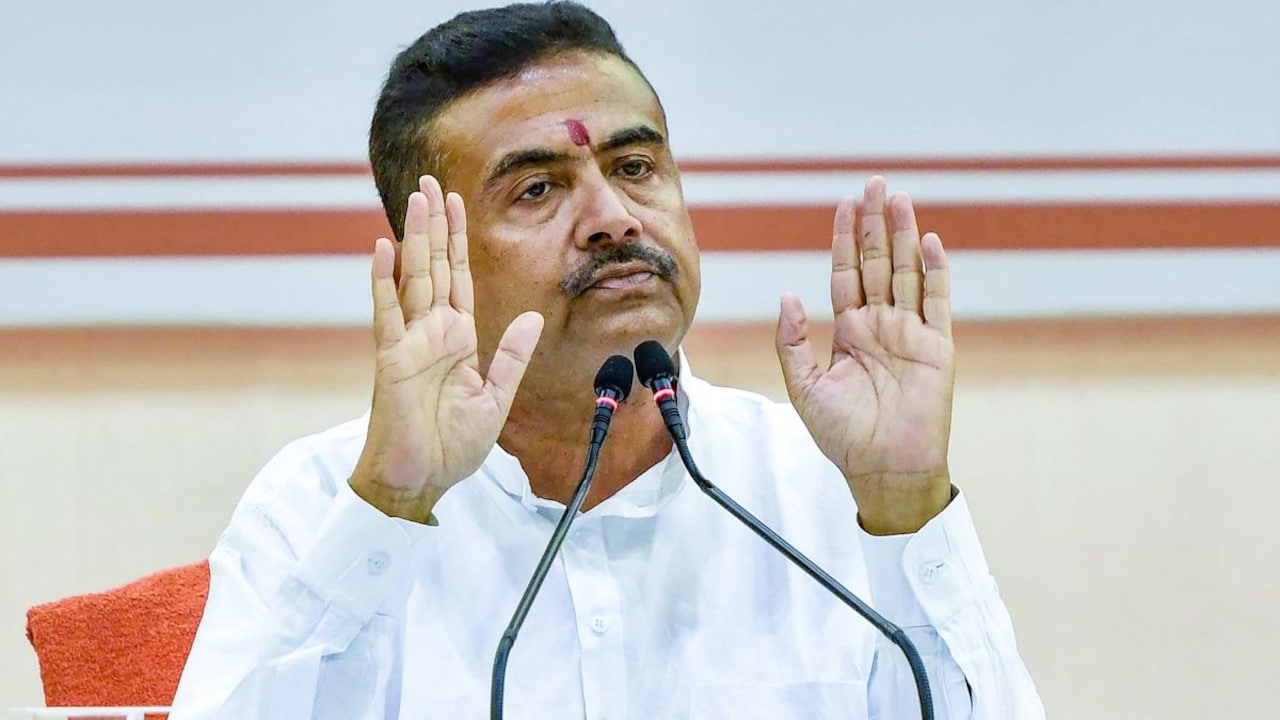
Driven by viral outrage and youthful energy, the Cockroach Janta Party transformed a satirical online campaign into a massive national protest, leading to the resignation of Union Education Minister Dharmendra Pradhan.
Key Takeaways
- The Cockroach Janta Party (CJP) evolved from a satirical online campaign into a massive national protest movement.
- The movement was led by a trio: Abhijeet Dipke, Ashutosh Ranka, and Saurav Das.
- The protest culminated in the resignation of Union Education Minister Dharmendra Pradhan.
- The movement was sparked by a controversial remark comparing unemployed youth to 'cockroaches.'
What began as a satirical jab on social media has culminated in a seismic shift in Indian politics. The rise of the Cockroach Janta Party (CJP) represents a new era of digital-led activism, where viral outrage was channeled into a structured protest that successfully forced the resignation of Union Education Minister Dharmendra Pradhan.
The Three Faces of the Movement
The success of the CJP was not accidental; it was driven by the complementary skills of three distinct individuals. Abhijeet Dipke, a student in Boston, acted as the emotional heart of the movement, bridging the gap between high-level political demands and the grassroots protesters. Ashutosh Ranka, an IIT Kanpur alumnus and LSE graduate, served as the movement's strategic brain, providing the decisive leadership needed to navigate complex political waters. Finally, Saurav Das provided the essential outreach and affable connectivity that kept the momentum alive across social platforms.
Why This Matters
BozokMedia analysis shows that this movement marks a fundamental change in how political power is challenged in the 21st century. By turning a derogatory metaphor into a badge of honor, these leaders demonstrated that Gen Z can weaponize satire to build massive, unified political blocks. This is no longer just about social media trends; it is about the institutionalization of digital dissent.
When digital satire meets genuine systemic frustration, it creates a political force that traditional structures are ill-equipped to handle.
A common thread among the leaders is their previous association with the Aam Aadmi Party (AAP), which provided them with the political communication skills necessary to manage a movement of this scale. Their ability to organize millions of followers into a focused protest highlights a sophisticated understanding of modern political mobilization.
Historical Background
The spark was ignited on May 15, 2026, when the Chief Justice of India compared unemployed activists to "cockroaches." Within five days, the CJP's Instagram following exploded to over 22 million, proving that the insult had inadvertently provided the movement with its most powerful branding tool.
Frequently Asked Questions
Question 1: What triggered the Cockroach Janta Party movement?
Answer: It was triggered by a remark from the Chief Justice of India comparing unemployed youth to cockroaches.
Question 2: What was the major political outcome of the protest?
Answer: The protest led to the resignation of Union Education Minister Dharmendra Pradhan.