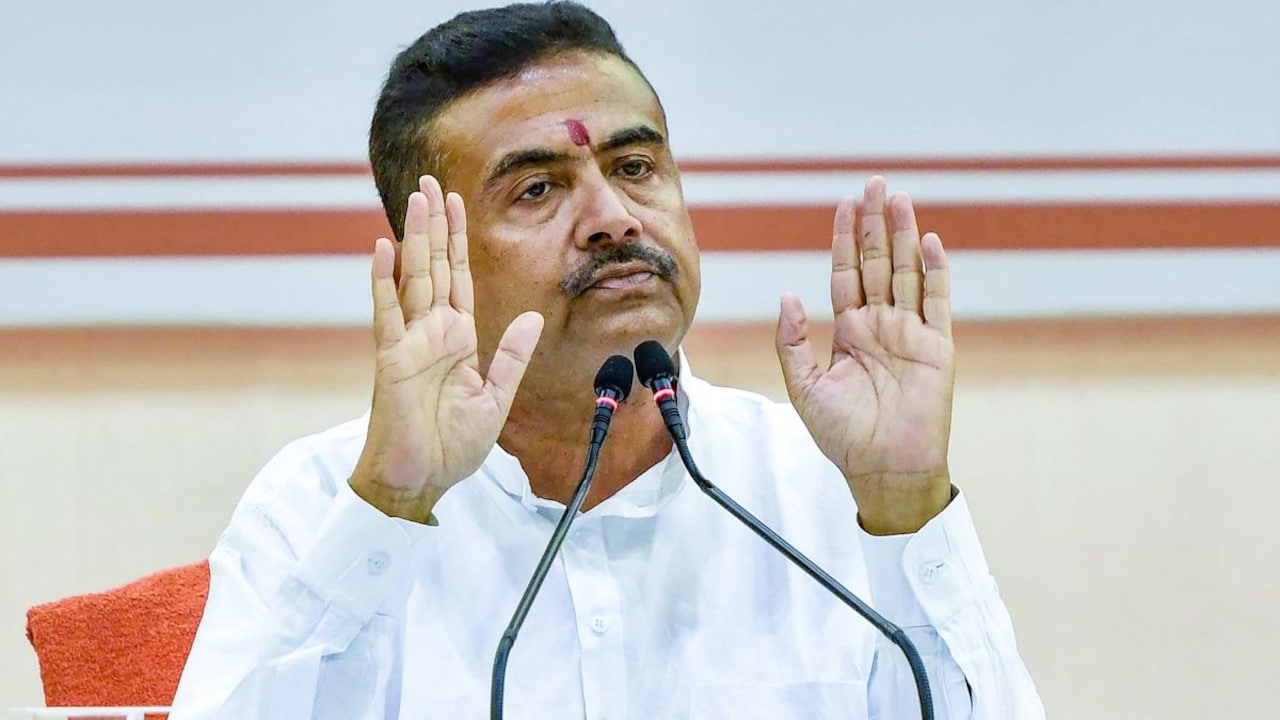
BJP leader Suvendu Adhikari has welcomed controversial writer Taslima Nasreen to West Bengal, claiming the state is now safe and respects fundamental rights.
Key Takeaways
- Suvendu Adhikari extended an open invitation to Taslima Nasreen.
- He claimed West Bengal has transformed into a 'safe state.'
- Adhikari asserted that democratic values and free speech are now secure in the state.
In a significant political statement, West Bengal BJP leader Suvendu Adhikari has extended a warm welcome to writer Taslima Nasreen, inviting her to visit the state. Adhikari emphasized that West Bengal has undergone a profound transformation following the change in government, positioning the state as a sanctuary for free thought.
A Shield for Democratic Values
Addressing the media, Adhikari stated that Nasreen's potential presence in the state would serve as a living testament to the strength of local institutions. He highlighted that democracy, constitutional values, freedom of speech, and fundamental rights are now more secure in West Bengal than ever before.
This invitation is a strategic move to challenge the ruling government's narrative on law and order and intellectual freedom.
Why This Matters: BozokMedia Analysis
BozokMedia analysis shows that this move is deeply symbolic. By inviting a figure as polarizing as Nasreen, Adhikari is attempting to frame the political discourse around the themes of 'safety' and 'freedom of expression,' directly contesting the current administration's record on civil liberties.
Historical Background
West Bengal has long been a battleground for ideological conflicts. The state's history of intellectual activism and intense political rivalry often makes individual figures like Taslima Nasreen central to larger debates regarding secularism and state authority.
Frequently Asked Questions
1. What was the core of Suvendu Adhikari's statement?
He claimed that West Bengal is now a safe place where democratic rights and free speech are protected.
2. Why is Taslima Nasreen's visit significant?
Her visit is being used as a litmus test for the state's commitment to constitutional freedoms and intellectual liberty.

