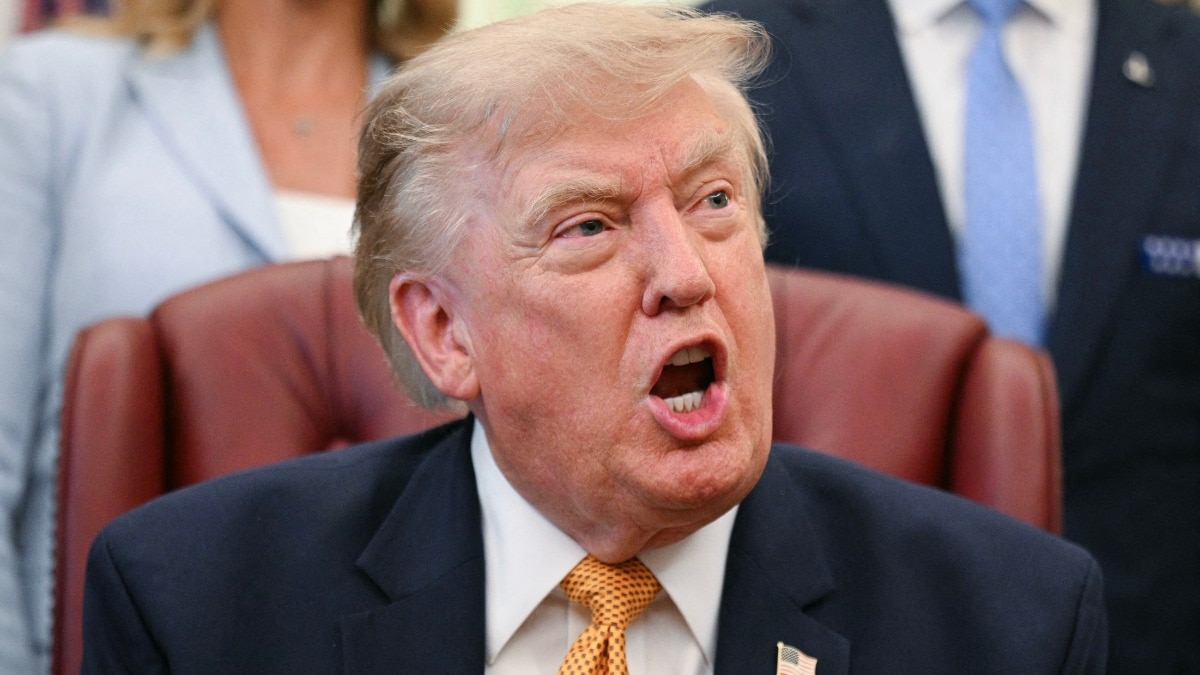
A coalition of 25 U.S. states has filed a lawsuit alleging that President Donald Trump’s latest tariff regime violates a Supreme Court precedent and amounts to an illegal tax. The case spotlights a growing clash between the administration’s trade agenda and judicial oversight.
Key Takeaways
- 25 states sue over Trump’s new tariffs, labeling them illegal tax
- Administration invoked Section 301 to impose 10‑12.5% duties
- Claims court ignored prior Supreme Court ruling
Twenty‑five U.S. states have jointly filed a lawsuit challenging President Donald Trump’s latest tariff policy. The states argue that the duties breach a Supreme Court decision and constitute an “illegal tax” on American families and businesses.
Following double‑digit tariffs imposed last month on the European Union and 59 other nations, the Trump administration invoked Section 301 to levy duties ranging from 10% to 12.5% on imports from countries that account for 99% of U.S. trade.
New York Attorney General Letitia James, leading the case, stated, “After losing in the Supreme Court, the administration is again trying to burden ordinary citizens and merchants with an unlawful tax.”
Why This Matters
BozokMedia analysis shows that the outcome could reshape U.S. trade policy and ignite fresh diplomatic tensions. A court ruling that strikes down the tariffs would force a major rethink of Trump’s economic strategy.
“The Supreme Court’s decision will set a precedent that curtails the misuse of Section 301 in the future.”
Frequently Asked Questions
Q1: Are the tariffs legal?
A: The courts have not yet issued a final ruling; the case is still pending.
Q2: What could be the economic impact if the tariffs are struck down?
A: Importers would save money, but domestic manufacturers might lose a competitive edge.