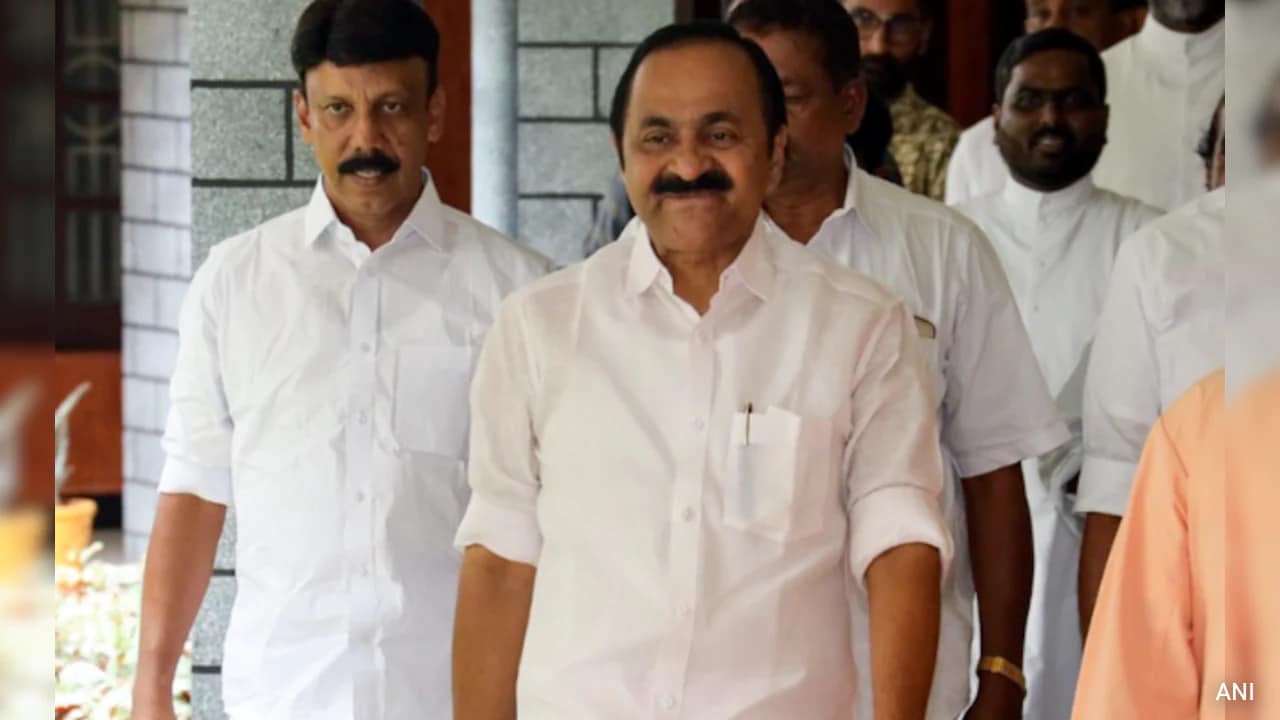
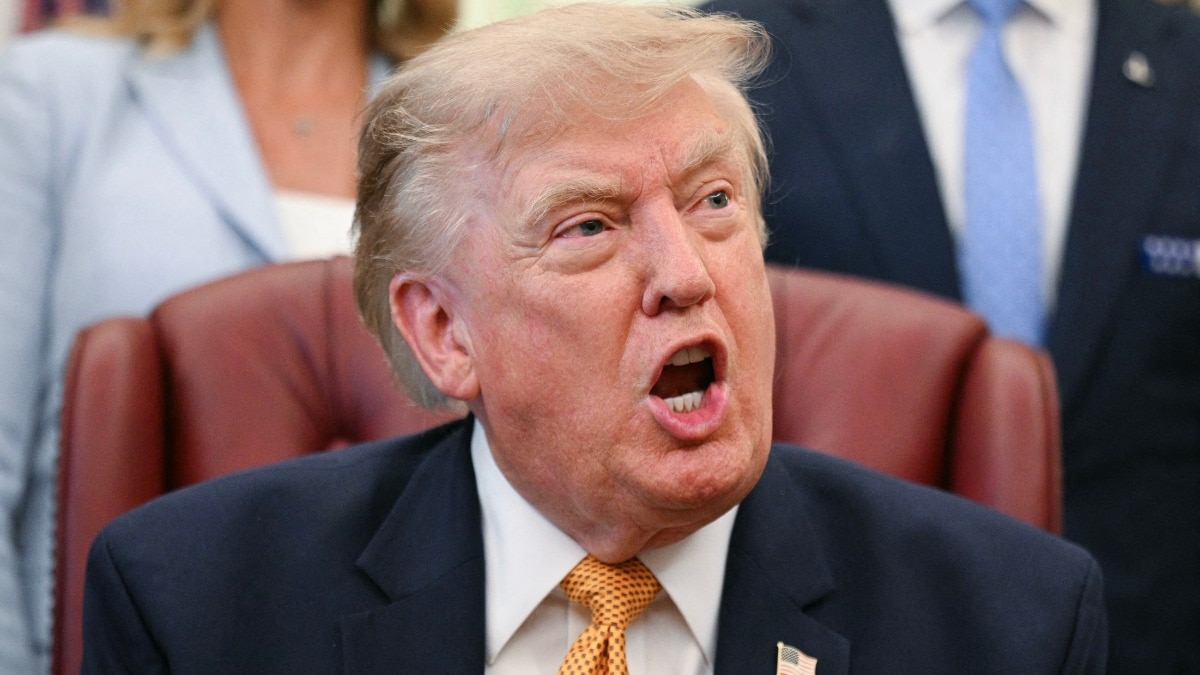
Arab Americans in Michigan abandoned Democratic support in 2024, voting for Trump, but now the Palestine issue is driving them to back Senate candidate Abdul El‑Sayed. This realignment could reshape the state's political landscape.
Key Takeaways
- Arab Americans in Michigan dropped Democratic support in 2024 and voted for Trump.
- The Palestine conflict has become the primary driver of their voting behavior.
- Many are now rallying behind Senate hopeful Abdul El‑Sayed.
Historical Background
For decades, the Arab community in Dearborn and Detroit suburbs has been a reliable Democratic bloc. Trump’s 2017 travel ban hurt relations, but the 2024 Israel‑Gaza war pushed voters away from the party entirely.
Current Landscape
Yemeni‑American activist Samraa Luqman told Al Jazeera, “We were okay with voting for Trump because we needed to hold the Democrats accountable for the genocide.” In the 2024 election, about 45% of Arab precinct votes went to Trump, 29% to Green Party candidate Jill Stein, and only 16% to Kamala Harris.
Looking Ahead
Now, Arab voters are backing Democratic Senate candidate Abdul El‑Sayed, who has taken a strong stance against Israeli policies. Luqman added, “Supporting progressive candidates will help the Democratic Party regain credibility with our community.”
Why This Matters
BozokMedia analysis shows that the Arab‑American electorate in Michigan could swing the upcoming Senate race, making Palestine a decisive factor in U.S. politics for the first time.
“Arab voters are no longer the swing vote; they are the issue‑driven vote.” – Dr. Ayesha Karim, political scientist.
Comparison Table
| Candidate | Vote Share |
|---|---|
| Donald Trump (R) | 45% |
| Jill Stein (Green) | 29% |
| Kamala Harris (D) | 16% |
Frequently Asked Questions
Q1: Could El‑Sayed’s win change Michigan politics?
A: Yes, a victory would elevate Arab community concerns to the national stage.
Q2: Will Arab Americans return to the Democratic Party?
A: It depends on how the party addresses the Palestine‑Israel issue moving forward.