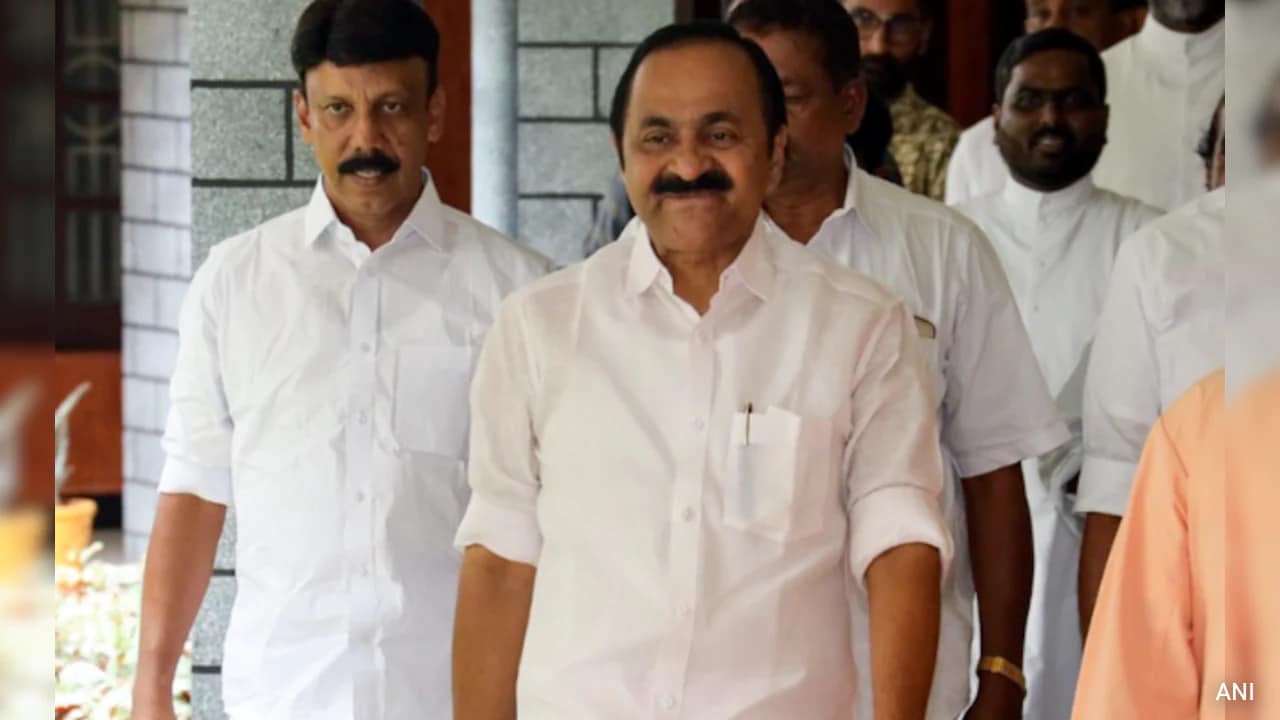
AAP national convener Arvind Kejriwal accused the Delhi BJP government of imposing restrictive eligibility criteria for the Lakshmi Yojana, limiting monthly assistance of ₹2,500 to a fraction of women. He warned that under the current rules, fewer than 10% of Delhi’s women would qualify.
Key Takeaways
- Kejriwal labels the scheme's new rules as "restrictive".
- Less than 10% of women likely to benefit.
- Punjab’s version has no such constraints.
Delhi Lakshmi Yojana is intended to provide a monthly cash grant of ₹2,500 to economically vulnerable women. Kejriwal argues that the latest eligibility conditions drastically curb this objective.
The rules now demand an endorsement letter from the applicant’s MLA or MP, a ten‑year residency proof, and limit the benefit to one woman per household. Critics say this bars multiple women in the same family from receiving aid.
By contrast, Punjab’s identical scheme, launched in 2024, imposes no residency or endorsement requirements, allowing all eligible women—up to four per household—to receive the grant. Kejriwal called Delhi’s approach a "political bias".
Historical Background
The Lakshmi Yojana was first introduced in Punjab in 2024 under an AAP‑led administration to empower women financially. Delhi re‑introduced the scheme in 2026, but the new eligibility framework sparked immediate backlash from opposition parties and civil society.
Why This Matters
BozokMedia analysis shows that if the scheme is used as a political tool rather than a welfare measure, it could erode public trust in government‑run social programs and set a worrying precedent for future initiatives.
"Eligibility criteria have become a political weapon rather than a means of social justice," says policy analyst Dr. Seema Verma.
Comparison Table
| State | Eligibility Criteria | Recommendation Required |
|---|---|---|
| Delhi | 10‑year residency, one woman per family, MLA/MP endorsement | Yes |
| Punjab | No residency period, all women per family eligible, no endorsement | No |
Frequently Asked Questions
Q1: Can the Delhi eligibility rules be changed?
A: Yes, the criteria may be revised by the succeeding administration.
Q2: What impact has the scheme had in Punjab?
A: It has significantly improved the economic status of participating women.