Vandita Mishra explores the shifting dynamics of protests at Jantar Mantar, analyzing how the new Gen Z movement challenges the established political order and the importance of constitutional safeguards.
Key Takeaways
- The current protests at Jantar Mantar are driven by a fluid, leaderless 'Gen Z' movement.
- Unlike previous agitations, this movement directly challenges the Prime Minister's populist narrative.
- The author emphasizes that while protests are vital, marginalized communities rely more on institutional checks and balances than on flash mobs.
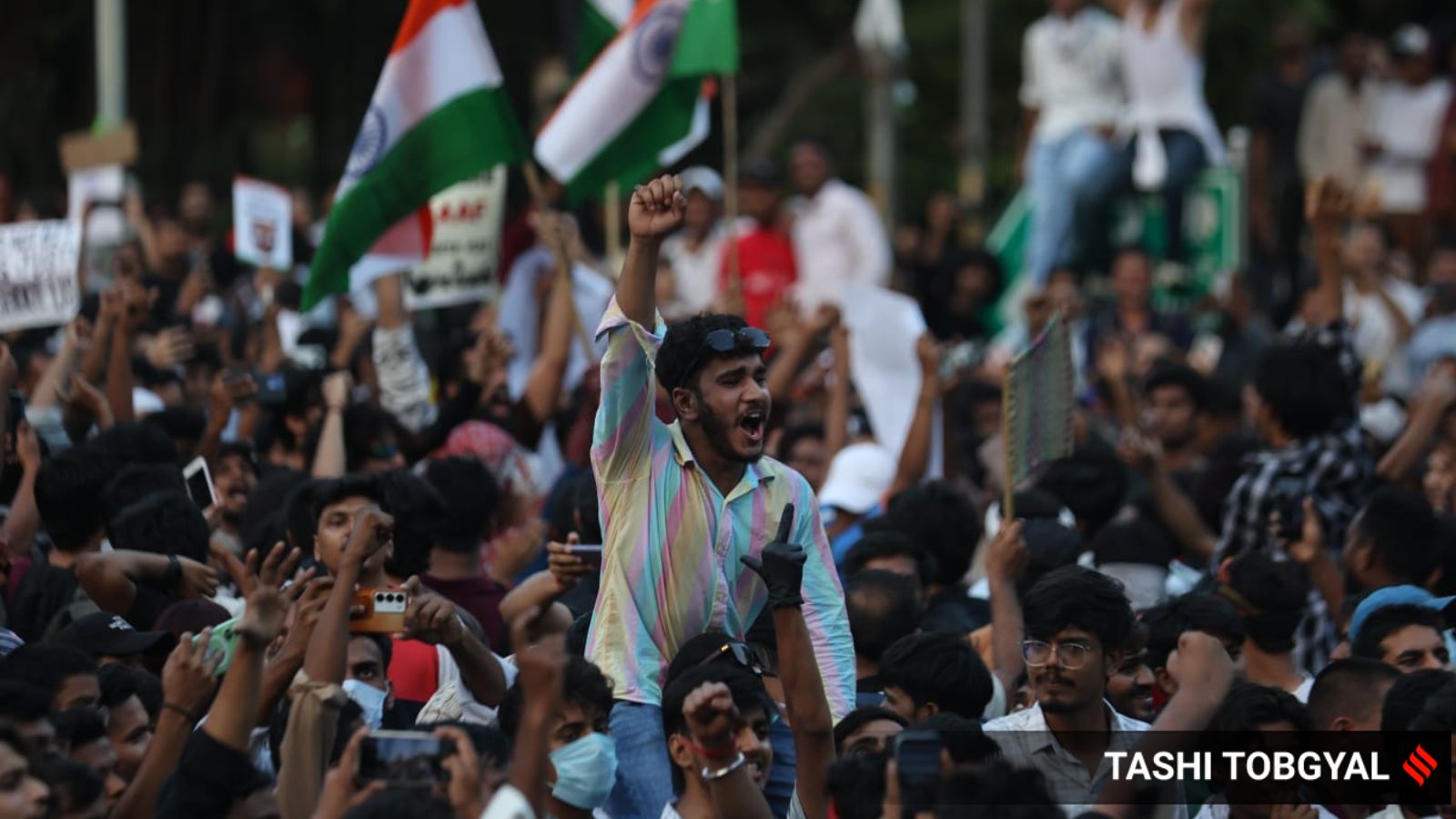
The political landscape of India is witnessing a profound shift as Jantar Mantar becomes the stage for a new kind of upheaval. In her latest analysis, Vandita Mishra highlights that the current protests, led by the Cockroach Janta Party (CJP), represent a direct confrontation with the populist narrative of Prime Minister Narendra Modi. For over a decade, the PM has claimed an unmediated connection with the people; however, the rising tide of youth dissent suggests that the people are finally speaking back.
Why This Matters
BozokMedia analysis shows that this is not merely a policy protest but a systemic challenge to the current political architecture. Unlike the Shaheen Bagh or the farmers' protests, this 'Gen Z movement' is characterized by its amorphous and unorganized nature, making it difficult for the state to demonize or label it as a singular 'other'. It represents a widespread disillusionment with a government perceived to be colonizing democratic spaces.
True democratic resilience lies not in the volume of the crowd, but in the strength of the unglamorous institutions that protect the marginalized.
The movement raises critical questions about 'political ventriloquism'—the act of claiming to speak for the 'authentic people' in a diverse democracy. While the slogans resonate, the author warns that the most vulnerable sections of society, such as Dalits and minorities, depend less on charismatic leadership and more on the stolid, often invisible, rules of the constitutional game.
Historical Context
The trajectory of Indian populism has shifted significantly since 2014. While the Modi era began with an anti-elitist wave against the Congress establishment, the 2026 protests emerge from a sense of institutional hollowing. The transition from the organized political shifts of the past to the fluid, digital-age activism of today marks a new chapter in India's democratic struggle.
Frequently Asked Questions
1. How does the CJP movement differ from the Farmers' Protest?
While the farmers' protest was centered on specific agrarian policies, the CJP movement is a more fluid, leaderless formation driven by Gen Z concerns regarding the education system and institutional integrity.
2. What is the significance of the 'Jai Bheem' slogan in this context?
The slogan reflects the underlying demand for constitutional protections and the rights of marginalized communities who look to Babasaheb Ambedkar's Constitution for security.