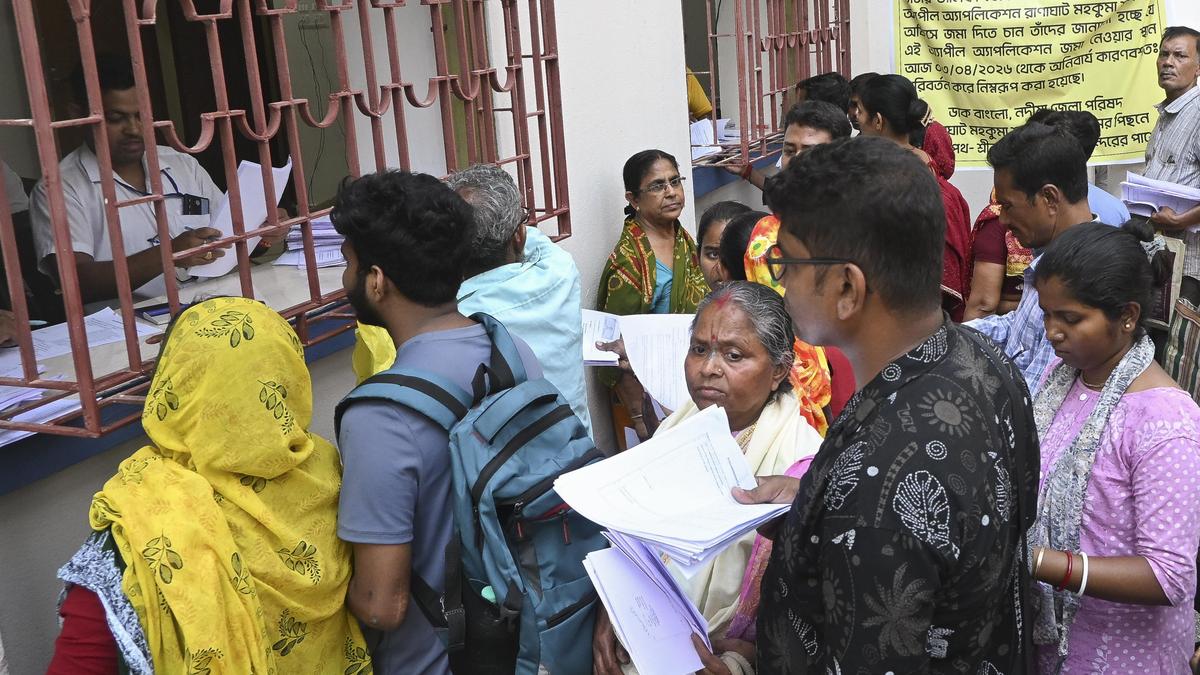
During the Special Intensive Revision (SIR), 90 lakh voter names were deleted, with 34% Muslims and 63% Hindus. This proportion is starkly higher than the Muslim population share of 27% in the state.
Key Takeaways
- 90 lakh voter names removed in SIR
- 63% Hindus, 34% Muslims among deletions
- Muslim deletion rate exceeds their population share
Breakdown of Deleted Voters
The Special Intensive Revision (SIR) process in West Bengal led to the removal of 90 lakh voter names. Booth‑level data shows that 57.47 lakh (63%) of the deletions are Hindus, while 31.1 lakh (34%) are Muslims. Given that Muslims constitute only 27% of the state's population per the 2011 census, the deletion rate is disproportionately high.
Historical Background
West Bengal has a history of contentious voter‑list revisions. The 2008‑09 major revision also revealed imbalances, especially in border constituencies where identification is complex. These precedents raise concerns about the fairness of the current SIR exercise.
Why This Matters
BozokMedia analysis shows that disproportionate deletions can influence electoral outcomes, especially in Matua‑dominated border constituencies where Hindu deletions are unusually high. This may reshape party strategies ahead of the 2026 Assembly elections.
"Data‑driven transparency is essential to preserve the credibility of the electoral process," says political science professor Dr. Ravi Singh.
Comparative Figures
| Religion | Deleted Voters (in lakh) | Percentage |
|---|---|---|
| Hindus | 57.47 | 63% |
| Muslims | 31.1 | 34% |
Frequently Asked Questions
Q1: Can deleted voters be reinstated?
A: Yes, by filing petitions with the Special Tribunal, though the process can be lengthy and complex.
Q2: How might these deletions affect election results?
A: Large‑scale removal of a community’s voters can swing seat‑level outcomes, particularly in tightly contested border constituencies.