In a significant escalation of media control, the Pakistani government has introduced new restrictions on foreign news outlets and the Pakistani nationals employed by them, amid rising protests in PoK.
Key Takeaways
- Pakistan has expanded restrictions targeting both foreign media and their local staff.
- New rules allow the government to monitor the movement of Pakistani nationals working for international outlets.
- The crackdown coincides with intensifying protests in Pakistan-occupied Kashmir (PoK).
ISLAMABAD: In a move described as an "alarming step," the Pakistani government has tightened its grip on foreign media organizations operating within its borders. For the first time, the state is seeking to exert routine control over the movements of Pakistani nationals employed by international news agencies, marking a significant shift in its media policy.
Context of the Crackdown
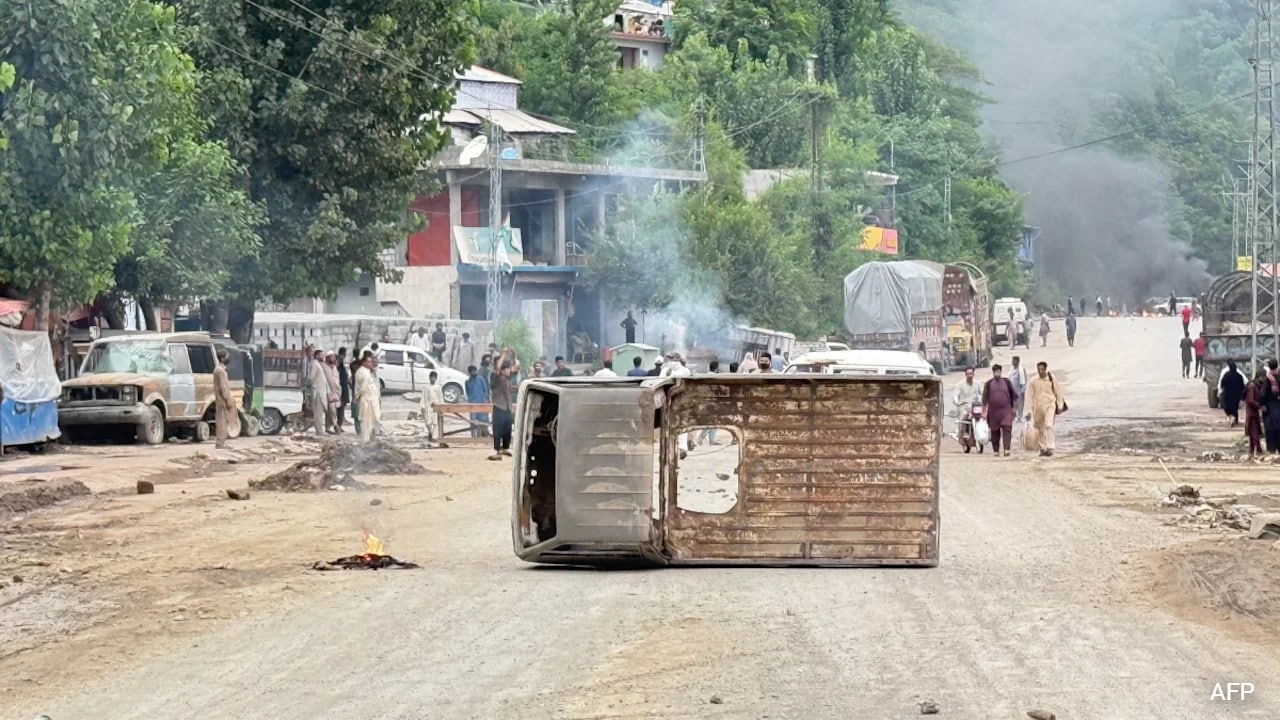
The timing of these restrictions is highly significant. The country is currently grappling with intense civil unrest and widespread protests in Pakistan-occupied Kashmir (PoK). As local grievances regarding economic instability and governance reach a boiling point, the government appears to be moving to prevent international media from documenting the ground reality.
Why This Matters
BozokMedia analysis shows that by targeting local staff, the government is creating a chilling effect that discourages domestic journalists from collaborating with global news organizations. This strategy effectively isolates the country from international scrutiny during times of internal crisis.
Restricting the movement of local staff is a tactical move to sever the link between international reporting and grassroots reality.
This escalation raises serious concerns regarding press freedom and the ability of the global community to hold the Pakistani administration accountable for its actions in disputed territories.
Frequently Asked Questions
1. How does this affect foreign journalists?
It makes their local collaborations much riskier, as their Pakistani colleagues now face direct government surveillance.
2. What is the main trigger for this decision?
The primary driver appears to be the need to control the narrative surrounding the unrest in PoK.