President Donald Trump has issued two new executive orders targeting birthright citizenship, seeking to bypass a recent Supreme Court ruling that upheld the constitutional right.
Key Takeaways
- President Trump signed two narrow executive orders to limit birthright citizenship.
- The move follows a Supreme Court ruling that struck down his previous broader attempts.
- The orders target 'birth tourism' and expand exceptions for children of foreign diplomats.
United States President Donald Trump has signed two new executive orders seeking to limit the scope of birthright citizenship. This strategic move comes just weeks after the Supreme Court ruled against his administration's broader attempt to reinterpret the constitutional protections afforded to children born on U.S. soil.
Unlike his previous sweeping efforts to overhaul the 14th Amendment, these new orders are significantly more targeted. One order aims to expand existing exceptions that deny citizenship to the children of foreign diplomats or invading forces. The second order directs the Secretary of State and the Secretary of Homeland Security to crack down on "birth tourism"—the practice of traveling to the U.S. specifically to give birth for citizenship purposes.
Why This Matters
BozokMedia analysis shows that this represents a tactical shift in the Trump administration's immigration strategy. By moving from broad constitutional reinterpretation to specific administrative restrictions, the White House is attempting to navigate around the legal roadblocks set by the judiciary.
The administration is attempting to use administrative loopholes to bypass a definitive Supreme Court mandate.
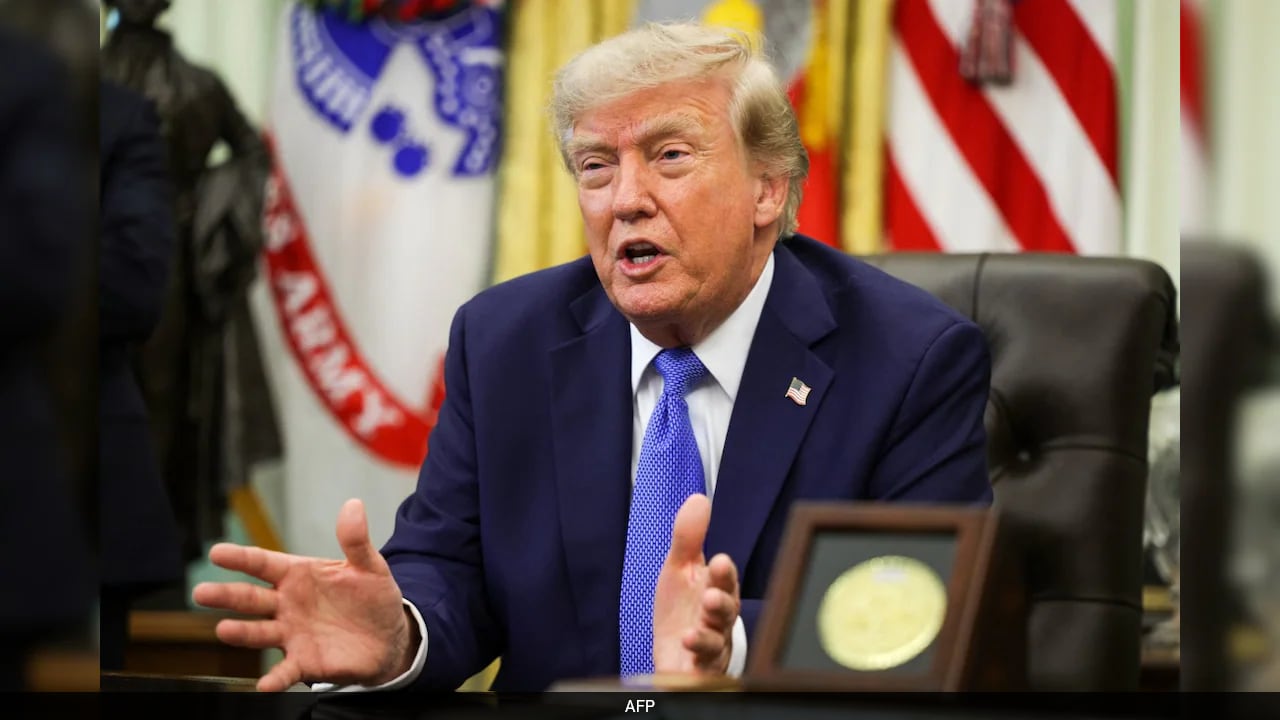
Speaking from the Oval Office, President Trump criticized the Supreme Court's decision, calling it "very unfortunate." He asserted that the court had made a "joke" out of birthright citizenship and stated that his administration is now making necessary "adjustments" to its legal approach.
Historical Background
The debate centers on the 14th Amendment, ratified in 1868. While the administration argues the amendment was intended only for the children of formerly enslaved people, the Supreme Court has consistently maintained that the Citizenship Clause applies to "every free-born person in this land."
Frequently Asked Questions
1. What is birthright citizenship?
It is the legal principle that any person born within the territory of the United States is automatically a U.S. citizen.
2. Why did the Supreme Court rule against Trump?
The Court ruled that the language of the 14th Amendment is clear and does not allow for the exclusion of children born to non-citizens.