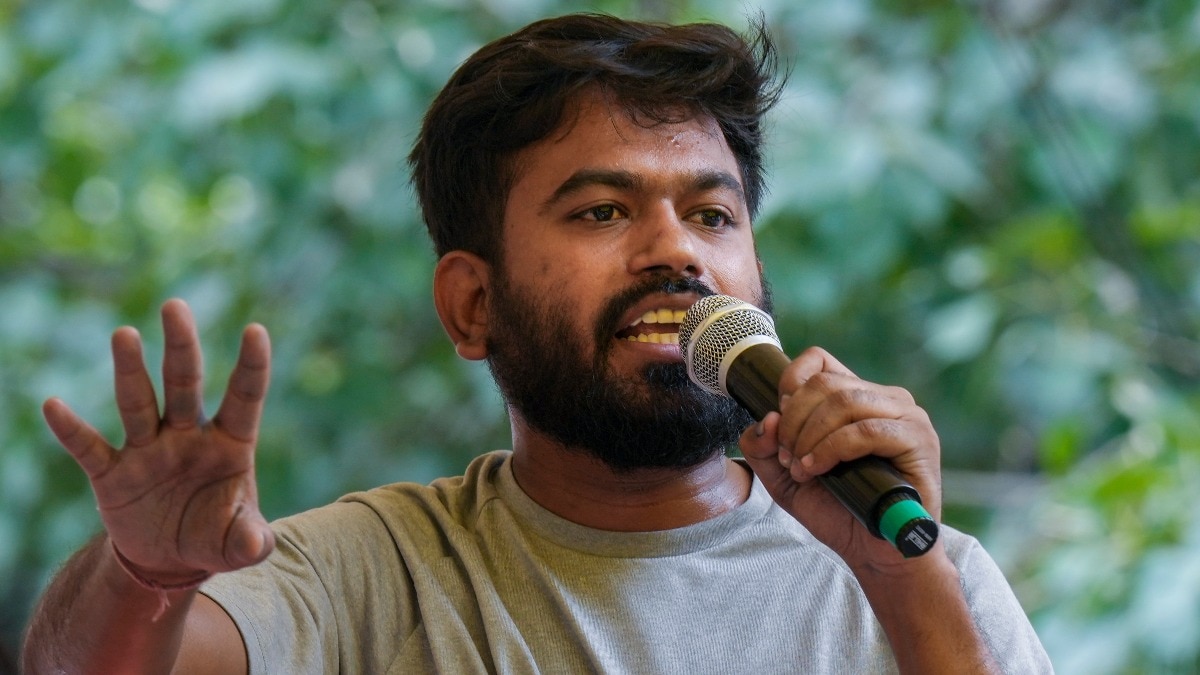
Prominent Ladakhi activist Sonam Wangchuk has accused Union ministers of betraying his trust by publicly releasing images of him ending his 26-day hunger strike. Wangchuk, who fasted for constitutional safeguards for Ladakh, stated that such actions undermine the spirit of dialogue and activism. His protest has drawn significant national attention to the demands for Ladakh's unique environmental and cultural preservation.
Key Takeaways
- Activist Sonam Wangchuk ended a 26-day hunger strike for Ladakh's constitutional safeguards.
- He accused Union ministers of breaching trust by sharing images of his fast ending.
- Wangchuk claimed his protest aimed to highlight government accountability and people's power.
Prominent educationist and environmental activist Sonam Wangchuk has ignited a fresh controversy, accusing Union ministers of a significant breach of trust. Wangchuk, who recently concluded a 26-day hunger strike demanding constitutional safeguards for Ladakh under the Sixth Schedule, stated that images of him breaking his fast were shared by ministers without his consent, undermining the sincerity of his protest and the trust involved in any potential dialogue.
Wangchuk's fast, undertaken in extreme cold conditions in Ladakh, was a powerful call for the protection of Ladakh's fragile ecosystem and its indigenous culture. His demands include statehood for Ladakh and its inclusion in the Sixth Schedule of the Constitution, which grants special provisions for the administration of tribal areas. He emphasized that the government's approach of releasing images was an attempt to trivialise the seriousness of his protest and the genuine concerns of the people of Ladakh.
The activist, known for inspiring the character in the film '3 Idiots', also reportedly told the BBC that such protests weaken the central government's position, specifically referencing Prime Minister Narendra Modi's administration. This statement underscores the political ramifications of his activism, moving beyond environmental concerns to directly challenge governmental accountability and responsiveness to regional demands. His wife also reportedly reached out to opposition leader Rahul Gandhi regarding his fast, though without a positive response.
Historical Background
India has a long history of hunger strikes as a tool for political and social protest, from Mahatma Gandhi's fasts during the independence movement to contemporary activists. A notable parallel is Irom Chanu Sharmila, who undertook a 16-year hunger strike from 2000 to 2016 against the Armed Forces (Special Powers) Act (AFSPA) in Manipur. While Sharmila's struggle highlighted human rights abuses, Wangchuk's current protest focuses on environmental protection and indigenous rights, yet both underscore the extreme measures individuals take to draw attention to pressing issues when conventional methods fail.
Why This Matters
BozokMedia analysis shows that Wangchuk's allegations against Union ministers raise critical questions about the ethics of government communication and its interaction with activists. The controversy could further erode public trust in official channels, especially in sensitive regions like Ladakh. Furthermore, the sustained protest highlights the growing demand for greater autonomy and environmental protection in ecologically vulnerable areas, setting a precedent for future environmental and indigenous rights movements across India.
"The alleged breach of trust by public figures in sharing private moments of an activist's protest can severely damage the fragile relationship between the state and its citizens, especially when sensitive negotiations are at play."
Frequently Asked Questions
Q: What are Sonam Wangchuk's primary demands?
A: Sonam Wangchuk is primarily demanding statehood for Ladakh and its inclusion in the Sixth Schedule of the Indian Constitution to protect its unique environment and indigenous culture.
Q: Why is the Sixth Schedule important for Ladakh?
A: Inclusion in the Sixth Schedule would grant Ladakh significant autonomy in managing its land, forest, water, and cultural affairs, providing safeguards against industrial exploitation and demographic changes.